
Last updated September 25, 2026
Free written scope consultation - allowances, timeline, and change-order rules on paper before a single trade is scheduled
 Before
 After
After Before
 After
After Before
 After
AfterThe Complete Guide to Construction in Fort Lauderdale
Fort Lauderdale sits in FEMA Flood Zone AE across large portions of its residential grid. That single fact changes everything. A kitchen addition that costs $180,000 in Orlando can carry $30,000 in additional compliance costs here before a single cabinet is ordered. Broward County enforces a 170 mph wind-load design pressure, the highest in South Florida, which means your framing specs, window ratings, and roofing underlayment all carry different part numbers than they would 50 miles inland. This guide maps every trade, code layer, and material decision specific to Fort Lauderdale so you can walk into a contractor meeting already knowing what the contract should contain.
Quick Answer
Construction in Fort Lauderdale requires navigating Broward County’s 170 mph wind-load zone, FEMA flood-zone elevation requirements, and Florida Product Approval for all impact-rated materials. Most residential projects need permits through the Broward County Building Division’s online portal, with review windows averaging 6-10 weeks for additions and 2-4 weeks for roofing replacements; our guide to Construction Permits, Codes & Inspections in FL: What You Need to Know walks through the full process. Expect to pay 15-25% more for coastal-compliant materials and specialized labor than in inland Florida markets.
Table of Contents
- Why Fort Lauderdale’s 170 MPH Wind-Load Zone Changes Your Build
- Flood Zones, Elevation Certificates, and Insurance Premiums
- The Seven Trade Categories and Florida Licensing Rules
- Navigating the Broward County Permit Portal
- Florida Product Approval: Materials That Actually Pass
- What Construction Costs in Fort Lauderdale (With Real Ranges)
- Neighborhood-Specific Building Conditions
- What Your Contract Should Contain
 Before
 After
AfterWhy Fort Lauderdale’s 170 MPH Wind-Load Zone Changes Your Build
Broward County sits in the High-Velocity Hurricane Zone (HVHZ), which triggers the strictest provisions of the Florida Building Code. The 170 mph design wind speed affects nearly every structural decision in ways that are invisible until you see the quote.
Framing and structural: Wall studs in Fort Lauderdale are typically 2×6 rather than 2×4 to accommodate thicker insulation and meet lateral load requirements. Fastener schedules change too. A standard deck in Orlando might use 16d nails at 12 inches on center. In Fort Lauderdale, that same connection often requires Simpson Strong-Tie hurricane ties with 10d common nails in a prescribed pattern. The lumber itself is pressure-treated to a higher retention level for ground contact in flood-prone areas.
Windows and doors: Every glazed opening needs impact-rated products with a Florida Product Approval (FPA) number. In Victoria Park or Coral Ridge, we’ve replaced non-impact windows where the homeowner discovered their insurance required HVHZ-rated units after purchase. The difference is real: an FPA-approved impact window from Rowan Construction Group Fort Lauderdale home carries a missile-impact rating (large or small, depending on height and exposure), while a standard impact window from the same manufacturer might only be rated for 140 mph zones.
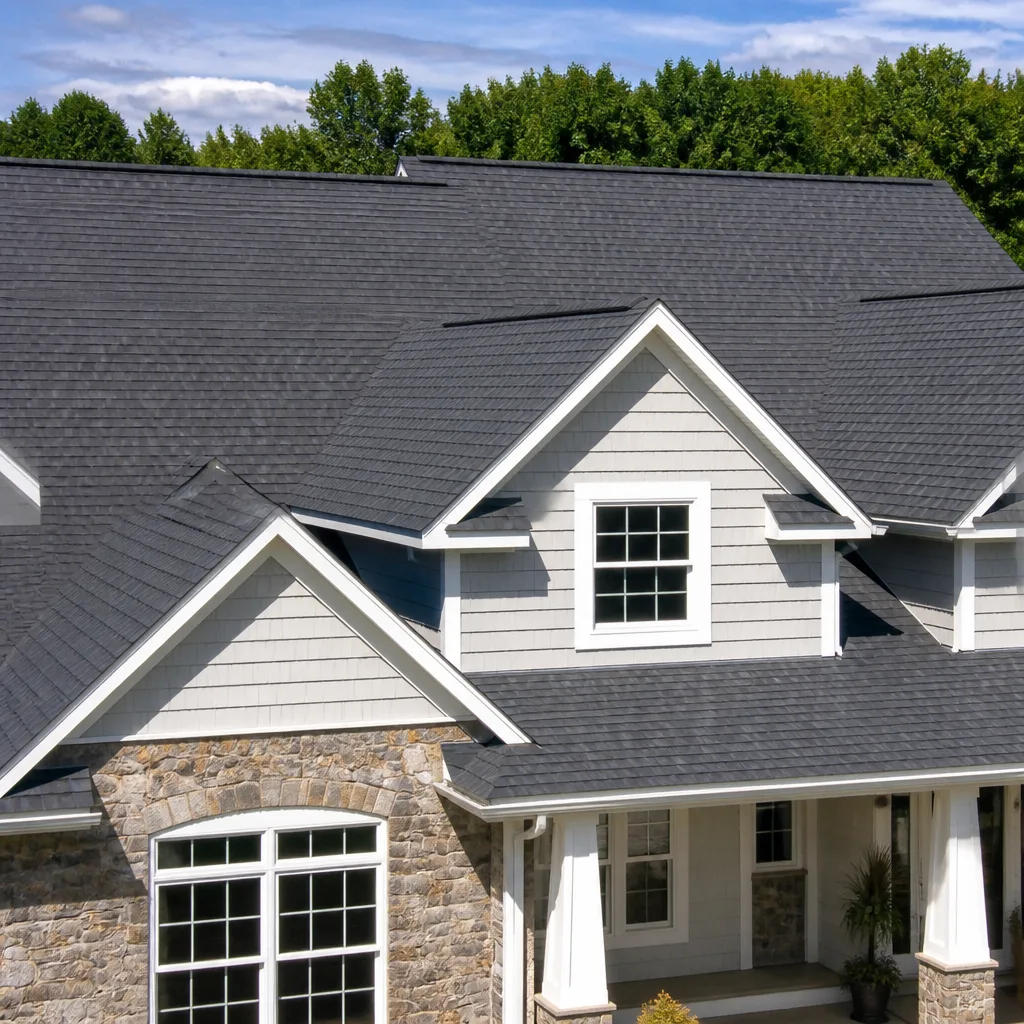
Roofing: The 170 mph zone requires six nails per shingle minimum, not four. Underlayment must be self-adhering modified bitumen or equivalent, not standard felt. In the Galt Mile area, we’ve seen re-roofing projects where the existing deck needed full replacement because the nail pattern from a 1990s install wouldn’t meet current uplift resistance calculations. The engineered truss system for new construction in Fort Lauderdale typically specifies 24-inch on-center spacing with hurricane straps at every bearing point, inspected before sheathing goes on.
These are not upgrade options. They are code minimums. A contractor who treats them as optional is a contractor who will fail inspection - one of the Construction Warning Signs: A Fort Lauderdale Homeowner’s Reference Guide we encourage every homeowner to review.
Flood Zones, Elevation Certificates, and Insurance Premiums
FEMA maps place much of Fort Lauderdale in Zone AE, the high-risk flood area with base flood elevations ranging from 8 to 12 feet NAVD88 depending on specific location. This affects construction in three concrete ways: permit approval, finished floor elevation, and insurance.
Elevation certificates: Before any addition or new build, a licensed surveyor must issue a current elevation certificate. In Rio Vista, we’ve seen projects delayed three weeks because the homeowner’s certificate was from 2008 and the base flood elevation had been revised. The certificate shows your finished floor elevation relative to the base flood elevation. If you’re below, you need to elevate or obtain a Letter of Map Amendment (LOMA), which can take 60-90 days through FEMA. No prudent contractor starts work without confirming this document is current.
Finished floor requirements: New construction and substantial improvements in Zone AE must elevate the lowest floor to at least the base flood elevation plus one foot (freeboard). For a home addition in Harbordale, this might mean raising a slab-on-grade addition 18 inches, which changes your step count, your door thresholds, and your connection to the existing structure. The fill required for elevation must be compacted to 95% standard Proctor density and documented with a geotechnical report.
Insurance implications: Elevation certificates directly affect National Flood Insurance Program premiums. A home built one foot above base flood elevation pays roughly 40% less than one at base flood elevation. A home below pays substantially more, and some private carriers decline entirely. We’ve had Fort Lauderdale homeowners call us after receiving $8,000 annual flood quotes, only to discover their certificate showed an incorrect elevation that a surveyor’s revision could fix.
The permit application in flood zones requires you to document compliance with these elevations. The building division checks it against the FIRM panel for your parcel. Get this wrong and your permit sits in review indefinitely.
The Seven Trade Categories and Florida Licensing Rules
Florida Statute 489 governs contractor licensing, and it matters who holds which license on your job. Rowan Construction Group operates under a certified general contractor license, which allows us to self-perform or subcontract all trades. But homeowners should understand which trades require separate specialist licensing and which fall under the general contractor’s scope.
Trades requiring separate subcontractor licensing:
- Electrical: Must be performed by a licensed electrical contractor (EC license). The general contractor cannot legally pull an electrical permit under their own license. In Fort Lauderdale, all electrical work requires Broward County inspection, including service upgrades, panel replacements, and new circuits.
- Plumbing: Requires a licensed plumbing contractor (CFC license). This includes water heater replacement, repiping, and any gas line work. Gas lines carry additional safety implications; we always flag these for professional handling.
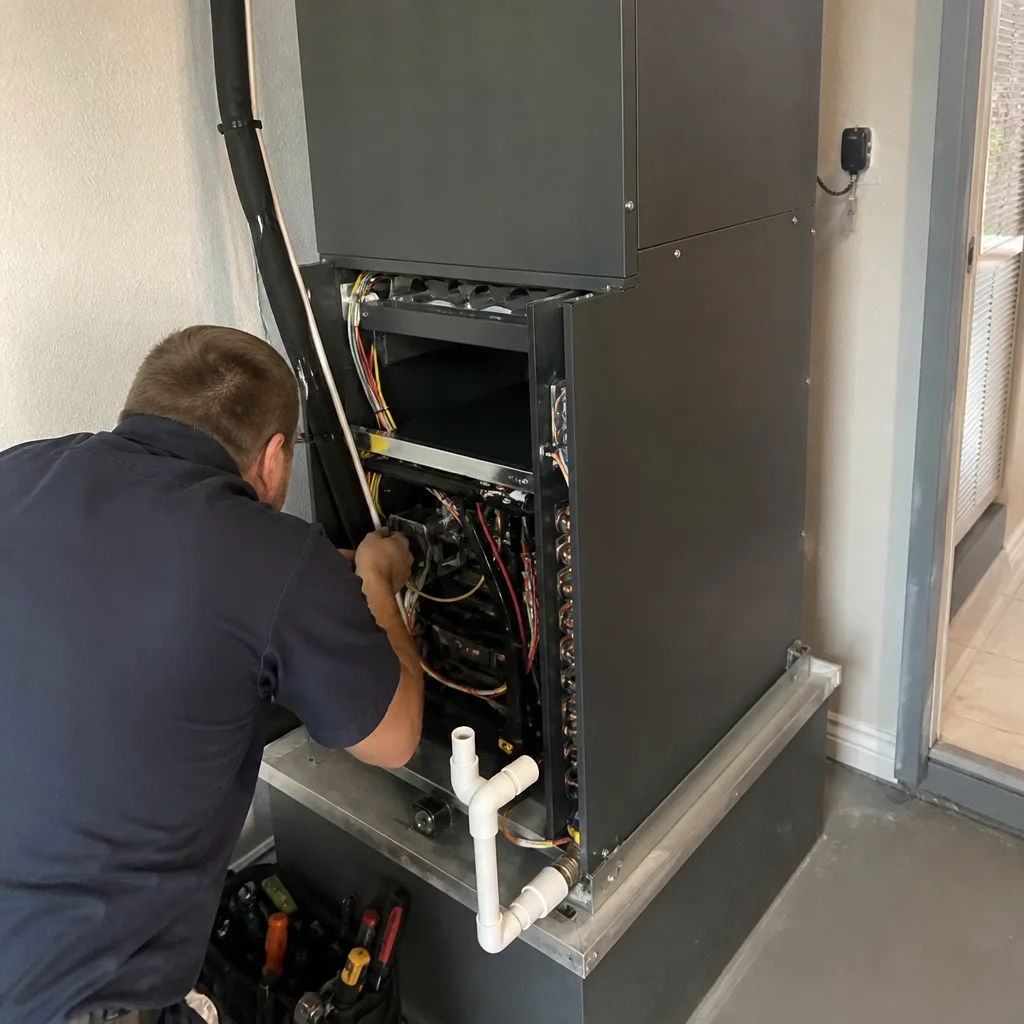
- HVAC: Requires a licensed air conditioning contractor (CAC license). Duct modifications, equipment changeouts, and new systems all fall here. Post-installation testing for refrigerant charge and airflow is required by code.
Trades typically performed under general contractor license:
- Framing and structural carpentry: The general contractor’s domain, including engineered lumber, shear walls, and structural hardware.
- Roofing: While Florida has a roofing contractor license (CCC), a general contractor can perform roofing under their own license. We self-perform roofing with crews trained to HVHZ standards. Roofing in Fort Lauderdale requires particular attention to uplift resistance and secondary water barrier.
- Concrete and masonry: Includes foundations, slabs, pavers, and decorative concrete. Flood-zone slabs require specific vapor barriers and reinforcement patterns.
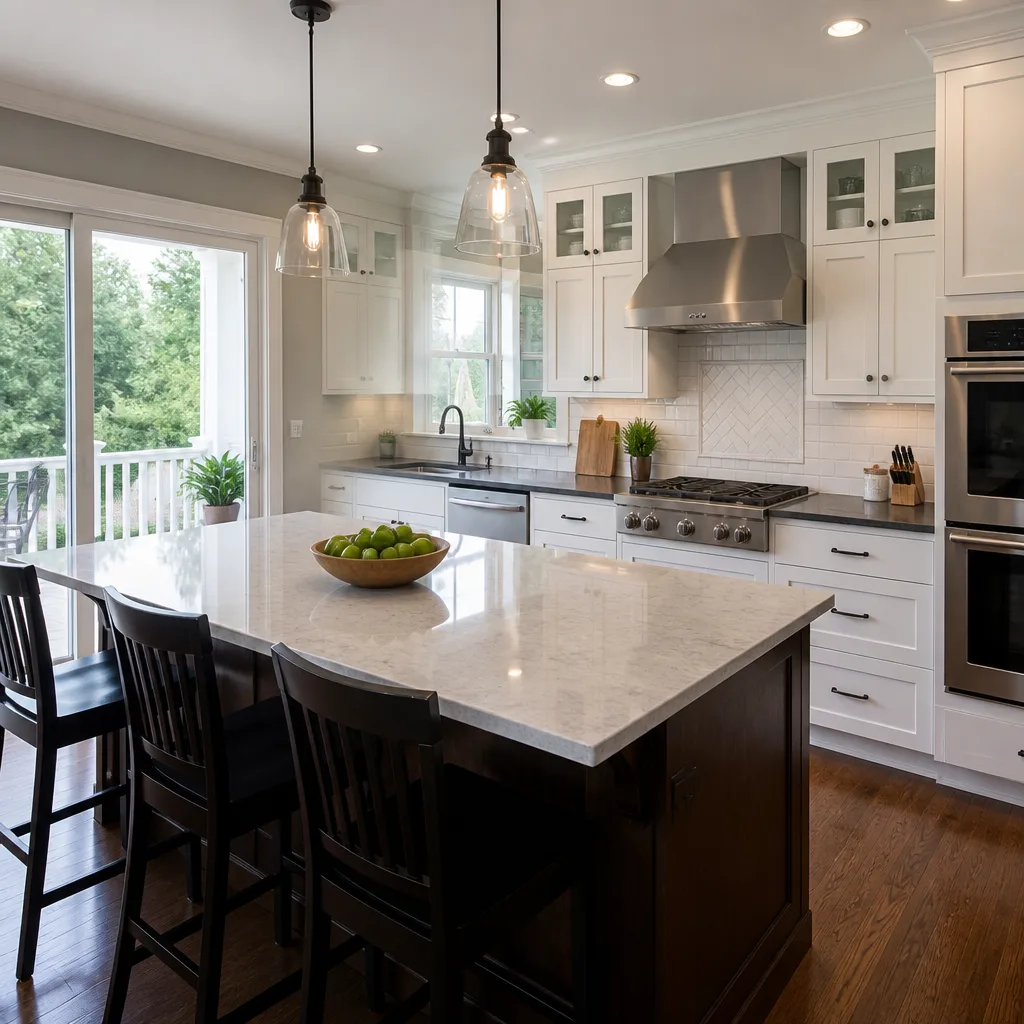
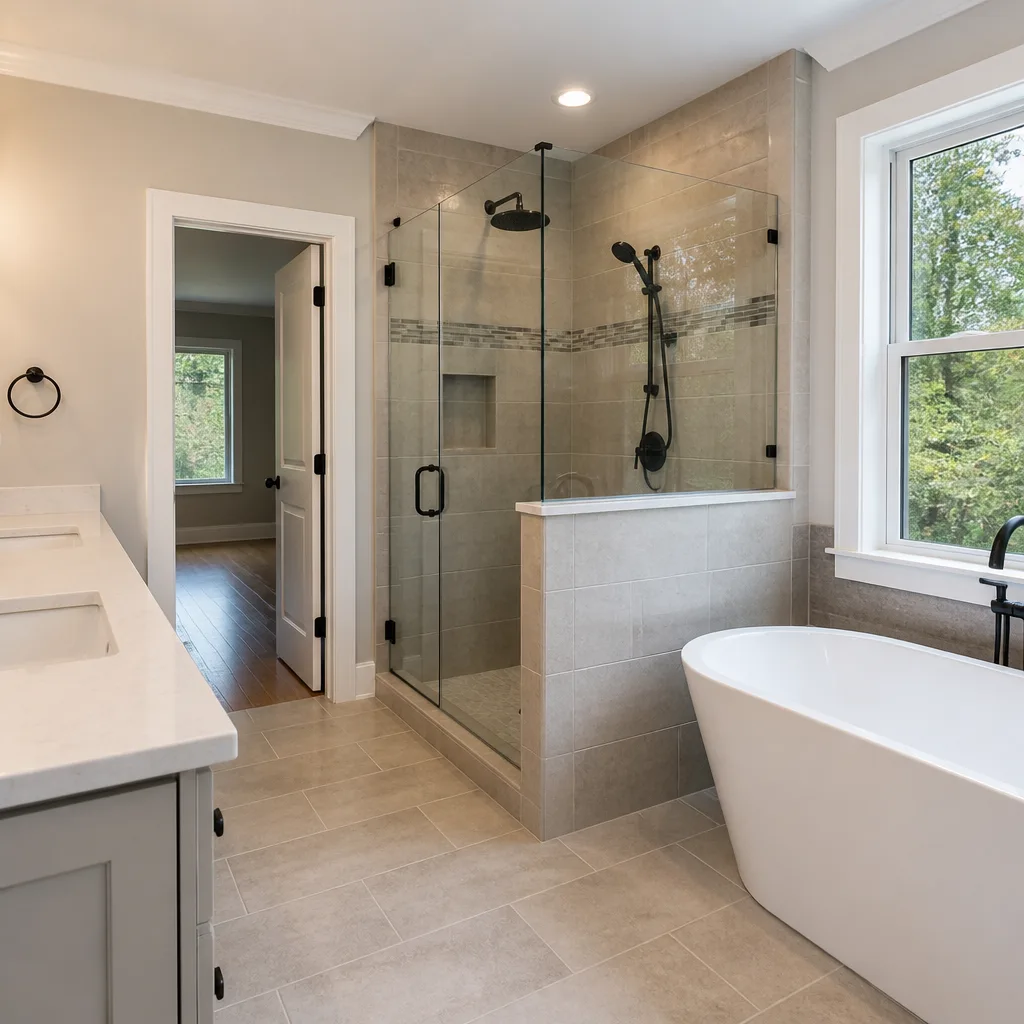
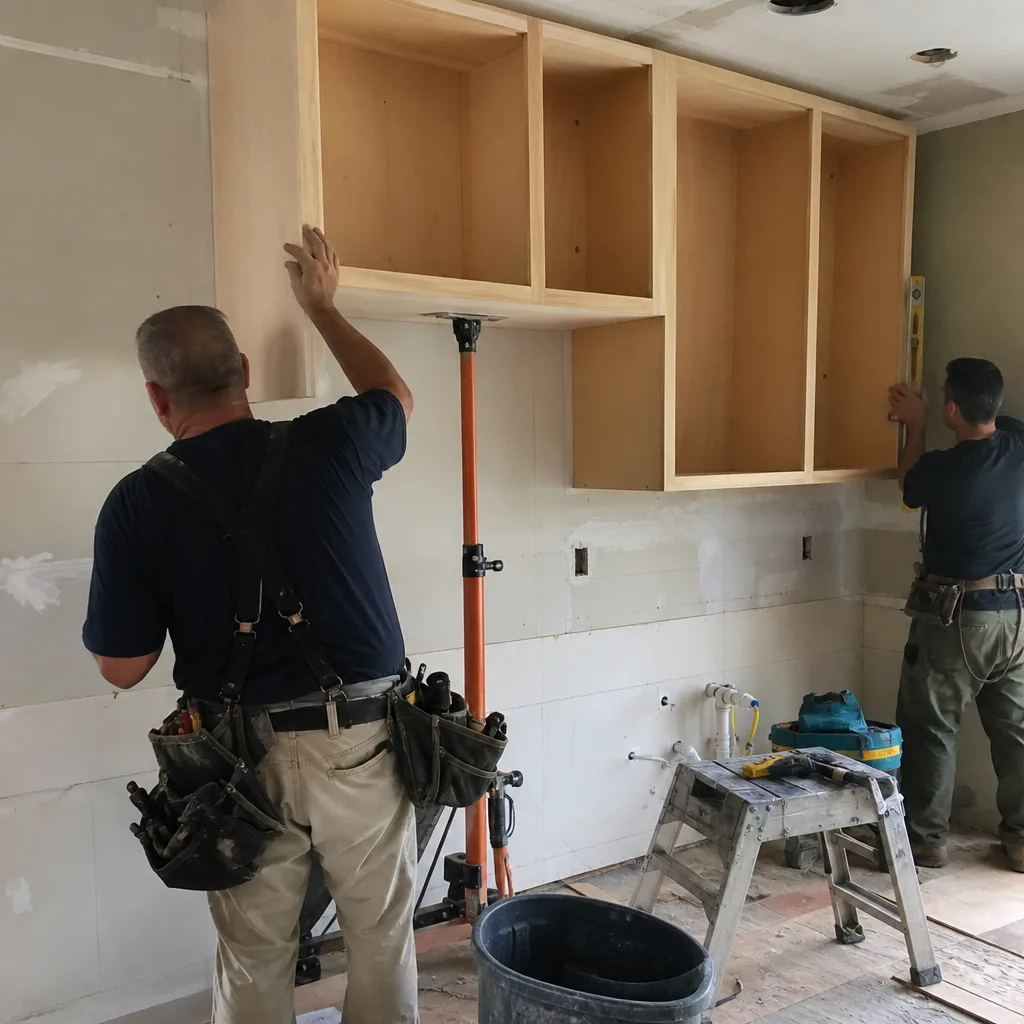
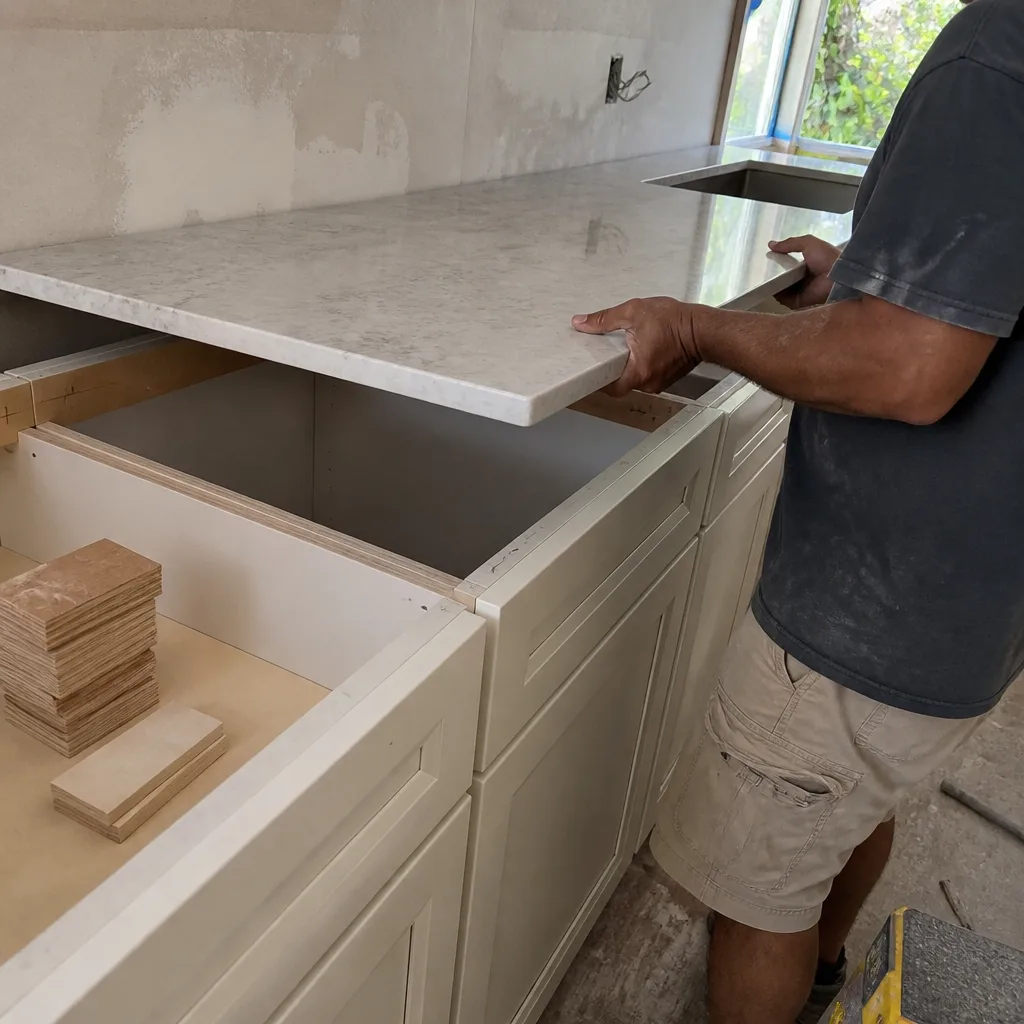
- Finish carpentry: Cabinets, trim, built-ins, and millwork. This is where Kitchen Remodeling in Fort Lauderdale and Bathroom Remodeling in Fort Lauderdale intersect with structural work.
The critical point: a general contractor who subcontracts electrical, plumbing, or HVAC must verify those subcontractors’ licenses are active and in good standing with the Florida Department of Business and Professional Regulation. We document this verification for every trade on every job. Ask your contractor to show you.
Navigating the Broward County Permit Portal
The Broward County Building Division operates an online permit portal that handles most residential construction applications. Understanding the workflow saves weeks.
Step 1: Determine your permit type
- Log into the Broward County Building Division portal and select the project category: new construction, addition, alteration, or repair.
- For roofing replacements, use the roofing permit application with HVHZ supplement.
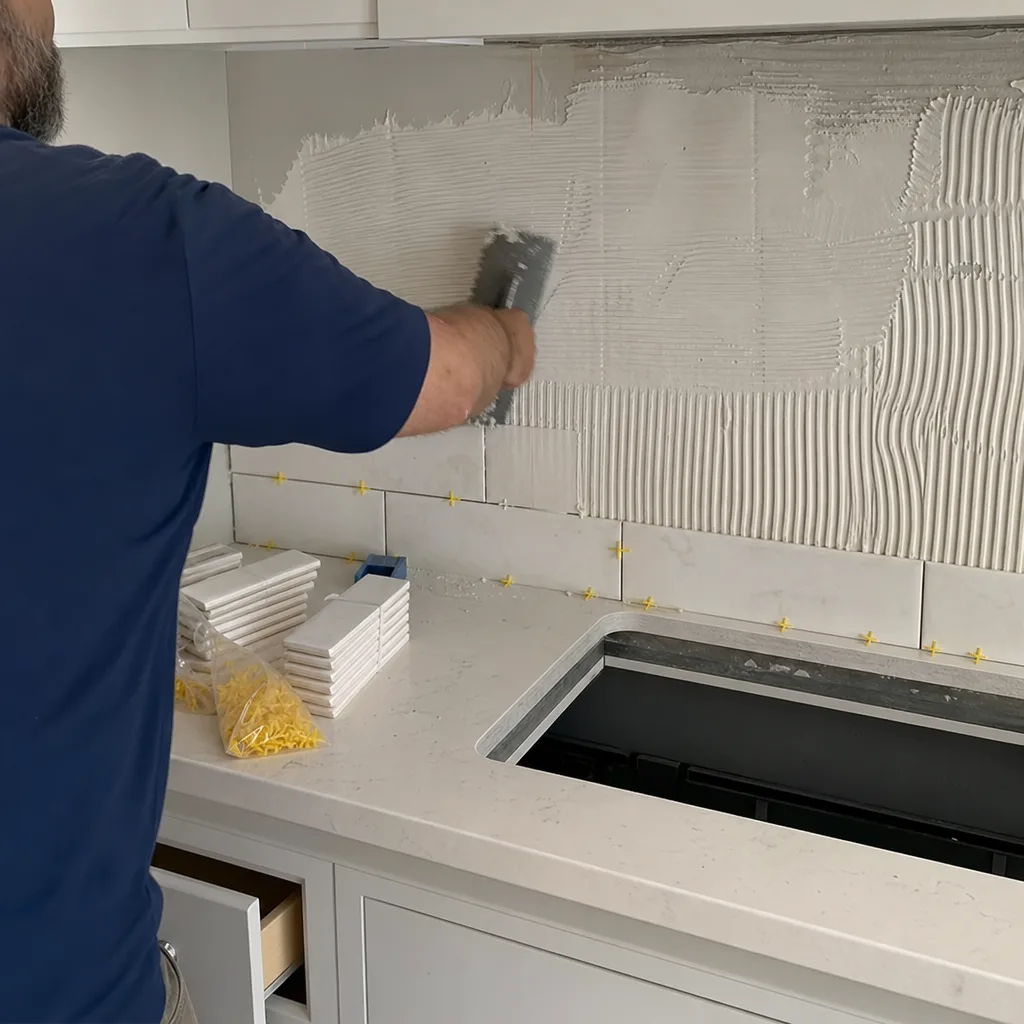
- For kitchen or bathroom remodeling, use the residential alteration permit if no structural walls are moved; use the addition permit if you’re expanding footprint.
- For home additions and ADUs, use the residential building permit with site plan.
Step 2: Prepare required documents
- Survey or site plan showing property lines, existing structures, and proposed work with setbacks.
- Construction documents: plans stamped by a Florida-licensed architect or engineer for structural work, electrical, plumbing, and HVAC.
- Elevation certificate for flood-zone properties.
- Florida Product Approval documentation for impact windows, doors, and roofing materials.
- Energy compliance form (typically via REScheck or equivalent software).
- Wind-borne debris compliance form for HVHZ.
Step 3: Submit and track
- Upload all documents through the portal. Incomplete applications are rejected without review, which resets your place in queue.
- Pay permit fees online. Residential additions in Fort Lauderdale typically run $1,200-$2,800 in permit fees depending on valuation.
- Track status through the portal. Review comments are posted as PDFs; respond within 10 business days or the application expires.
Typical review windows:
- Roofing replacement: 2-4 weeks
- Residential alteration (kitchen/bath, no structural): 3-5 weeks
- Residential addition or ADU: 6-10 weeks
- New single-family construction: 10-16 weeks
Inspections are scheduled through the same portal. In Fort Lauderdale, critical inspections include foundation/footing, rough framing, rough electrical/plumbing/HVAC, insulation, and final. The building division requires 24-hour notice for inspection requests. We’ve seen projects delayed because the homeowner’s contractor missed the rough inspection window and had to cover drywall to proceed.
Florida Product Approval: Materials That Actually Pass
Florida Product Approval (FPA) is not a suggestion in Broward County. It is the mechanism by which the state verifies that building materials meet HVHZ performance standards. Every impact window, exterior door, roofing shingle, and roof tile installed in Fort Lauderdale must carry an FPA number, and that number must match the product exactly as installed.
Windows and doors: The FPA number format is FLXXXXX, followed by a product series. Homeowners can verify any FPA number at Florida Building Code Product Approval before signing a proposal. We regularly specify products from CWS, ES Windows, and ECO Window Systems, all with established FPA listings for HVHZ. Mr-Glass also carries approved assemblies. The key detail: the FPA covers the entire assembly - glass, frame, and anchorage - not just the glass. A contractor who installs impact-rated glass in a non-rated frame has installed a non-compliant assembly.
Roofing: Shingles must carry FPA approval for HVHZ uplift resistance. GAF Timberline HDZ and Owens Corning Duration series both carry FPA numbers for 170 mph zones when installed to manufacturer specifications with six nails and self-adhering underlayment. Tile roofing requires FPA-approved foam adhesive or mechanical fastening patterns. Metal roofing needs FPA-listed clip and seam configurations.
What to check on your proposal:
- Ask for the specific FPA number for each product category.
- Cross-reference the FPA number with the manufacturer’s current listing (listings can expire or be superseded).
- Confirm the installation method matches the FPA listing exactly. A product approved for direct deck nailing cannot be installed over battens without a separate approval.
- Request the FPA documentation as part of your permit submittal package. Under Clause 1 of the Haven Standard, we include this in every written quote.
In Coral Ridge Country Club, we encountered a competitor’s proposal that specified “impact windows” without FPA numbers. The homeowner saved the proposal, called the manufacturer directly, and discovered the quoted series was only approved to 140 mph. The price looked attractive until the compliance gap became clear.
What Construction Costs in Fort Lauderdale (With Real Ranges)
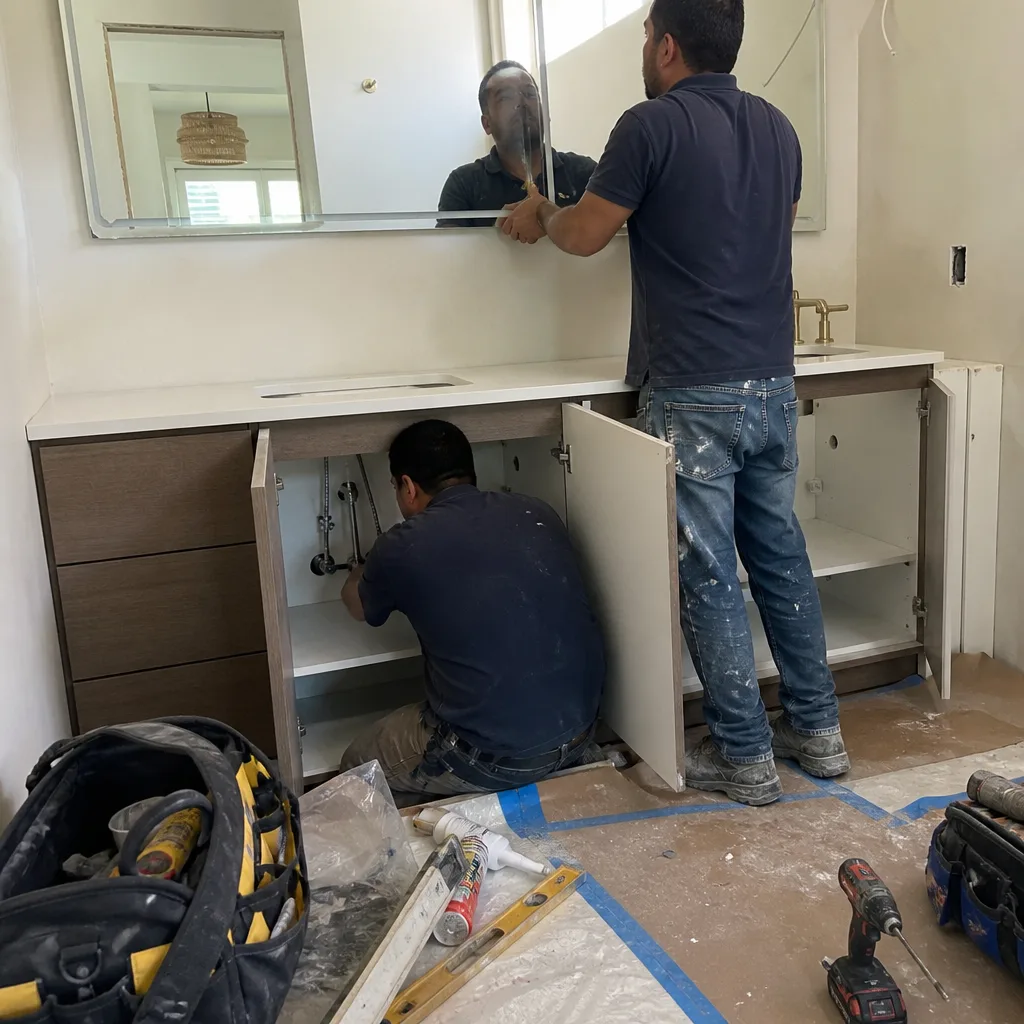
Fort Lauderdale construction costs run 15-25% above inland Florida due to HVHZ material requirements, flood-zone compliance, and specialized labor; see our Construction Cost Breakdown: The Fort Lauderdale Homeowner’s Reference for 2026 for detailed line-item analysis. These ranges reflect our 2024-2025 project data across 4,000-plus jobs, with the understanding that specific conditions on your property will move any project within or beyond these brackets.
Kitchen remodeling:
- Mid-range refresh (cabinets, counters, flooring, paint): $45,000-$75,000
- Full remodel with layout change, structural modifications, and permit-required electrical/plumbing: $85,000-$140,000
- High-end with custom cabinetry, professional appliances, and structural expansion into flood-zone-compliant addition: $150,000-$220,000
Bathroom remodeling:
- Guest bath update (vanity, toilet, tub/shower surround, tile): $18,000-$32,000
- Primary bath full remodel with waterproofing, curbless shower, and permit work: $45,000-$78,000
Roofing replacement (2,000 sq ft single-story):
- Architectural shingles with HVHZ installation, tear-off, and deck repair as needed: $14,000-$22,000
- Concrete tile with underlayment replacement: $28,000-$42,000
- Standing seam metal: $32,000-$48,000
Windows and doors (whole-house, 15-20 openings):
- Vinyl impact-rated, standard sizes: $18,000-$28,000
- Aluminum impact-rated, custom sizes, HVHZ hardware: $28,000-$45,000
Home additions and ADUs:
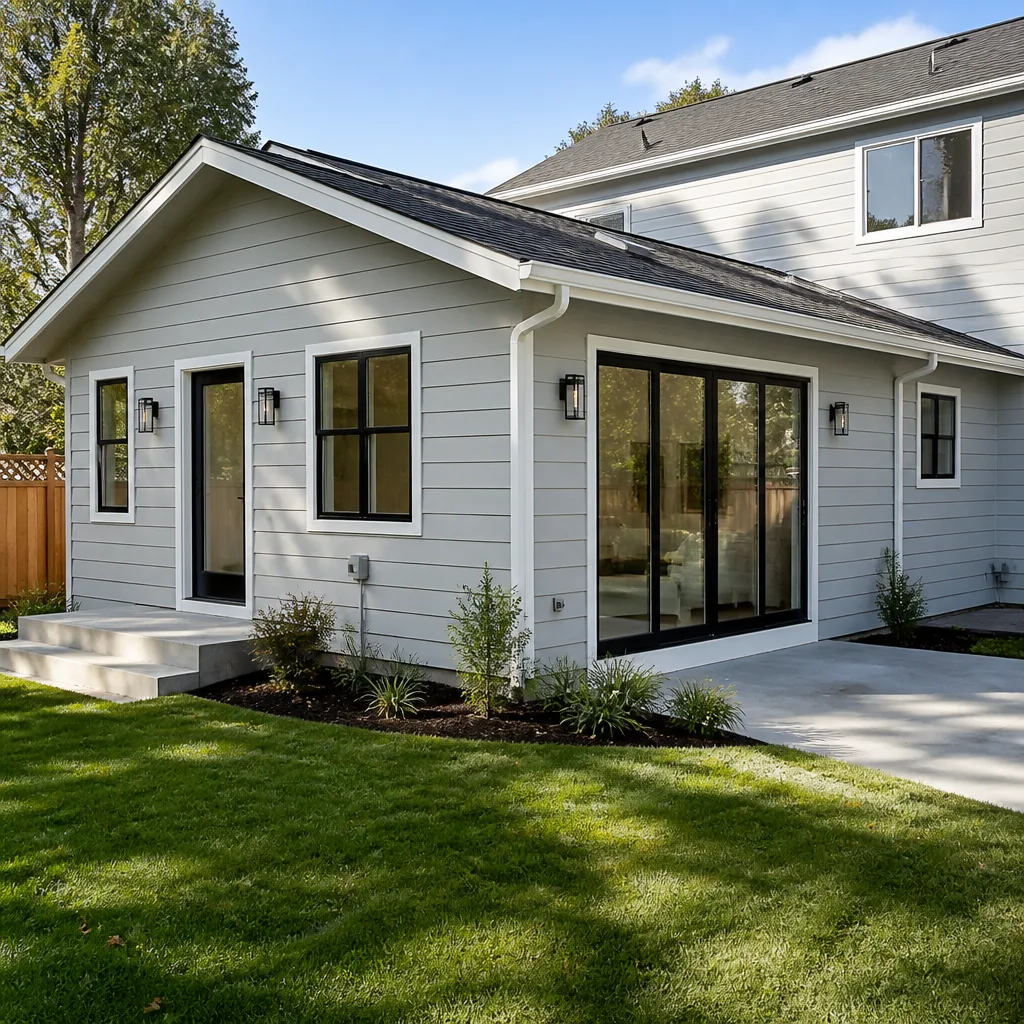
- 400 sq ft master suite addition on slab: $120,000-$180,000
- 600 sq ft ADU with kitchenette and bath, including utility connections: $180,000-$280,000
Flood-zone compliance adders:
- Elevation certificate (survey): $450-$750
- Geotechnical report for fill/compaction: $1,200-$2,500
- Additional foundation depth/elevation: $8,000-$18,000 depending on footprint
- Flood vent installation (required for enclosed areas below BFE): $800-$1,500 per vent
These are written-price ranges, not estimates that change once work starts. Under the Haven Standard, the number you agree to is the number you pay, with change orders signed before any additional work proceeds.
Neighborhood-Specific Building Conditions
Fort Lauderdale’s neighborhoods present distinct construction conditions that affect approach and pricing.
Victoria Park and Colee Hammock: Mature canopy trees and narrow lots. Crane access for roofing and tree protection during foundation work are common considerations. Many homes date to 1920s-1950s construction with ungrounded electrical and galvanized plumbing that must be fully replaced during renovation. Setback variances are difficult; we verify lot coverage calculations before proposing any footprint expansion.
Galt Mile and beachfront condos: High-rise and mid-rise buildings with association-controlled exterior work. Window replacement requires association architectural review and often Miami-Dade Notice of Acceptance (NOA) in addition to FPA. Roofing is typically modified bitumen or tile-over-concrete-deck, with limited access for material staging. We’ve coordinated crane lifts from A1A with city traffic control for these projects.
Rio Vista and Las Olas Isles: Waterfront properties with seawalls and dock structures. Any work near the seawall triggers Florida Department of Environmental Protection and Army Corps of Engineers review if below the mean high water line. Flood-zone elevations here are stringent; we’ve elevated additions on helical piles to meet BFE plus freeboard without adding fill weight to seawall-adjacent soils.
Coral Ridge and Bayview: 1960s-1970s ranch and split-level homes with original cast-iron plumbing and Federal Pacific electrical panels. Panel replacement requires utility coordination with FPL and often service upgrade from 100A to 200A. These homes also commonly have uninsulated concrete block walls; we address thermal bridging when adding HVAC load for expanded square footage.
Middle River Terrace and Progresso: Post-war construction with smaller footprints and limited parking for crew vehicles and material delivery. Permitting can involve historic review for certain parcels. Soil conditions vary; we’ve encountered high water tables requiring dewatering during foundation work.
What Your Contract Should Contain
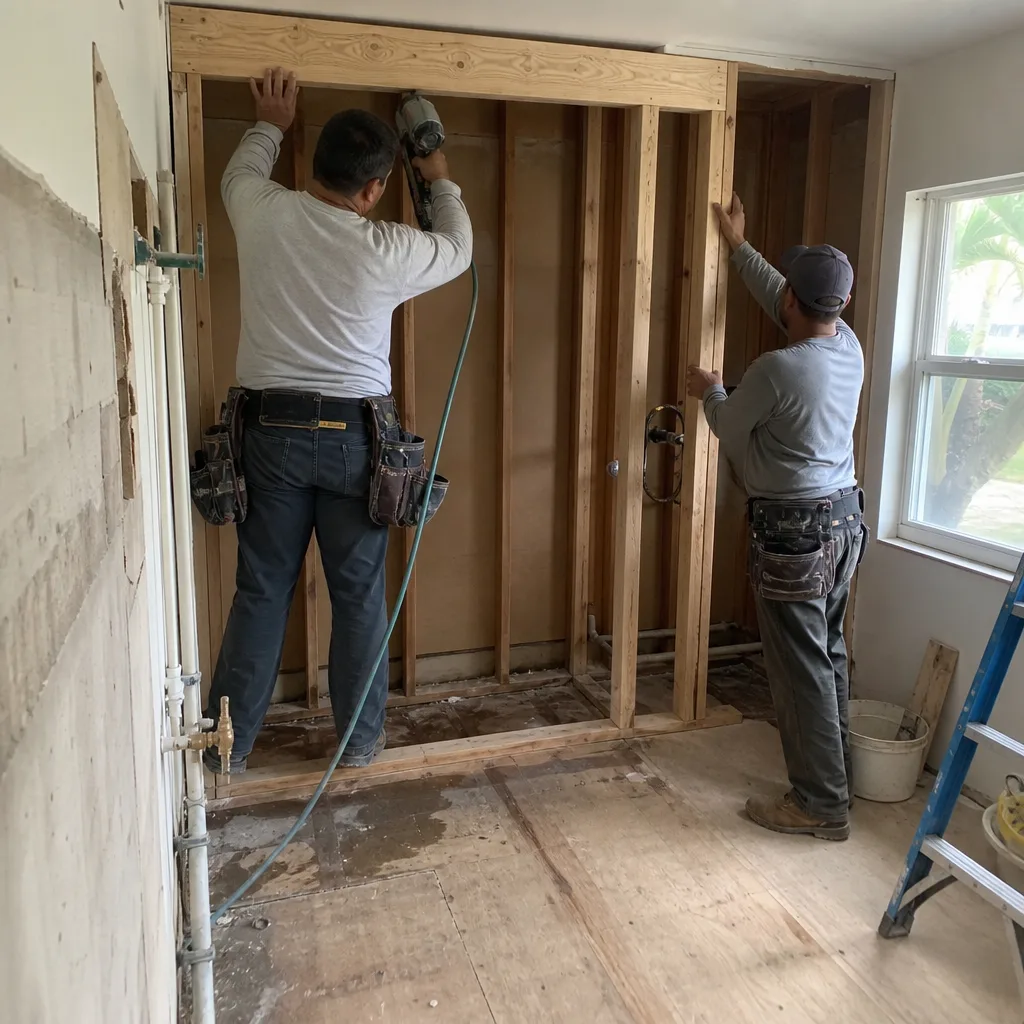
A Fort Lauderdale construction contract is a compliance document, not just a price agreement. Based on what we’ve seen across 4,000 projects, these are the non-negotiable elements.
Written scope with specifications: The contract must list every material by brand and model, every installation method by reference standard (FPA number, ASTM specification, or manufacturer installation instruction), and every exclusion. “Install new roof” is insufficient. “Remove existing shingles to deck, replace damaged decking per FBC R905.2.8, install GAF FeltBuster synthetic underlayment, install GAF Timberline HDZ shingles in Charcoal with six nails per shingle per HVHZ requirement, FPA #FL1685” is a scope that can be verified.
Fixed price with change order protocol: The price is fixed for the defined scope. Any change requires a written change order with price and schedule impact, signed by both parties, before work proceeds. This is Clause 1 of the Haven Standard, and it is the administrative discipline that keeps projects within a few percent of the agreed cost.
Permit and inspection responsibility: The contract must specify who pulls permits, who schedules inspections, and who pays permit fees. In Fort Lauderdale, the contractor typically handles this, but the contract should say so explicitly.
Insurance and license verification: Certificate of insurance naming the homeowner as additional insured, with general liability and workers compensation coverage. License number listed with verification instructions. Rowan Construction Group provides this documentation before any work begins.
Warranty terms: Workmanship warranty period, what it covers, and the process for claims. Our 365-Day Done Right Promise is printed on every contract page, with reference to full terms.
Payment schedule tied to verifiable milestones: Never pay full price upfront. A typical schedule: 10% at contract, 25% at permit approval, 25% at rough inspection completion, 25% at substantial completion, 15% at final inspection and certificate of occupancy. Each payment is contingent on documented progress, including the photo record we provide at every visit.
Common Mistakes to Avoid
- Skipping the elevation certificate review. In Fort Lauderdale’s flood zones, an outdated or incorrect elevation certificate can stall permits for months and trigger unexpected fill requirements. Verify the certificate date and BFE before signing any construction contract.
- Accepting “impact-rated” without an FPA number. This phrase means nothing without a verifiable Florida Product Approval. Always cross-reference the FPA number independently before installation begins.
- Hiring unlicensed subcontractors for electrical, plumbing, or HVAC. Florida Statute 489 requires separate licensing for these trades. If your general contractor self-performs them without the proper license, your permits won’t pass inspection and your insurance may deny claims.
- Ignoring the wind-borne debris inspection. This is a separate inspection from rough and final, required for all window and door installations in HVHZ. Missing it means removing trim to prove proper anchorage later.
- Choosing materials based on mainland Florida pricing. A shingle or window that costs $X in Tampa may not be HVHZ-rated, and the rated equivalent often carries a 20-35% premium. Budget using Fort Lauderdale-specific material costs from the start.
- Starting work before permit approval. Broward County issues stop-work orders and can require demolition of unpermitted work. The 2-4 week wait for a roofing permit is shorter than the 8-12 week delay from a stop-work violation.
- Neglecting utility coordination. FPL service upgrades, sewer connection modifications, and water meter changes require separate applications with their own timelines. Start these parallel to building permits, not after.
When to Call a Professional
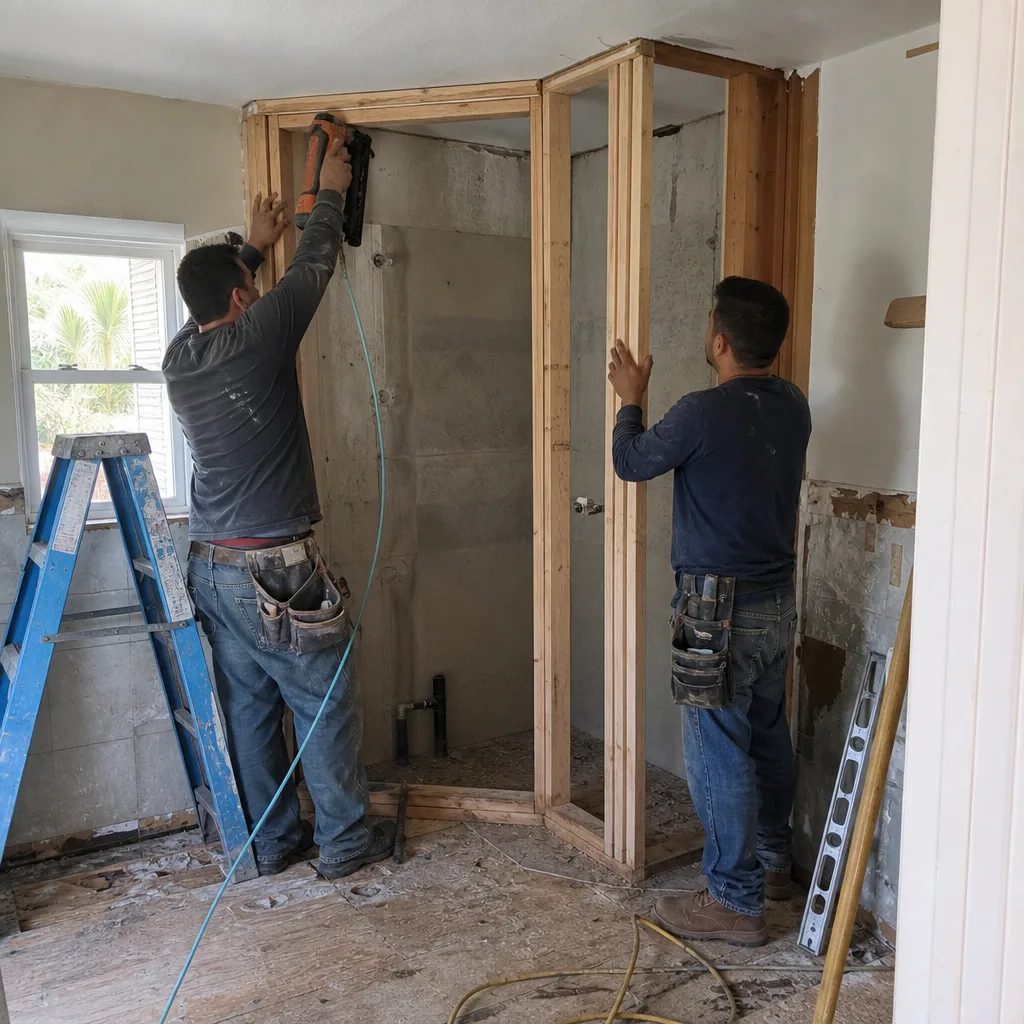
Call a licensed contractor when your project involves structural modification, electrical or plumbing changes, roofing replacement, or any work in a FEMA flood zone. These are not DIY scenarios in Fort Lauderdale. The 170 mph wind-load requirements, flood-zone elevation mandates, and specialized inspection protocols create compliance complexity that untrained work cannot navigate. Even seemingly straightforward projects - a bathroom update with plumbing relocation, a window replacement with impact-rated units - require permit pulls and inspection sequences that professionals manage daily.
Rowan Construction Group Fort Lauderdale offers free estimates in Fort Lauderdale. Call (754) 254-7676 to schedule yours. We’ll review your elevation certificate, verify your FPA requirements, and deliver a written price before any work starts. For more guides & resources on Fort Lauderdale construction, visit our blog.
Frequently Asked Questions
A home addition in Fort Lauderdale typically costs $300-$450 per square foot for conditioned space, with flood-zone compliance and HVHZ structural requirements adding 15-25% above inland Florida pricing. A 400-square-foot master suite addition runs $120,000-$180,000; a 600-square-foot ADU with kitchenette and bath runs $180,000-$280,000. Call (754) 254-7676 for an exact quote based on your elevation certificate and site conditions - estimates are free.
Yes. All roofing work in Fort Lauderdale requires a Broward County building permit with HVHZ supplement, plus proof of Florida Product Approval for all materials. The permit application includes wind-borne debris compliance documentation, and the project requires rough and final inspections. Roofing replacements typically take 2-4 weeks for permit approval. Starting without a permit triggers a stop-work order.
With Rowan Construction Group, the written price does not change unless the scope changes. Under the Haven Standard, no work proceeds on a change until a signed change order documents the price and schedule impact. This discipline has kept our projects within a few percent of the agreed cost across 4,000-plus jobs since 2007. The only exception: concealed conditions discovered after demolition, which we document with photos and discuss before proceeding.
A residential alteration permit for a kitchen remodel with no structural wall changes averages 3-5 weeks through the Broward County Building Division portal. If you’re removing load-bearing walls or expanding into an addition, the timeline extends to 6-10 weeks for plan review. Submitting complete documentation - including energy compliance, FPA numbers for impact windows if applicable, and current elevation certificate - prevents rejection and restart.
Rowan Construction Group pulls all permits as part of our standard process. We upload documentation, pay fees, schedule inspections, and coordinate corrections if review comments arise. You receive copies of all permits and inspection results for your records. This is included in our project management, not billed separately.
Florida Product Approval (FPA) is the state’s verification system for building materials that meet High-Velocity Hurricane Zone performance standards. Every impact window, door, and roofing material in Fort Lauderdale must carry an FPA number in format FLXXXXX. Verify any FPA number at floridabuilding.org/pr/pr_app_srch.aspx before signing a proposal. The listing shows approved installation methods; deviating from these voids the approval.
Flood Zone AE requires elevation of the lowest floor to base flood elevation plus one foot for new construction and substantial improvements. You’ll need a current elevation certificate from a licensed surveyor, and your finished floor elevation must be documented on the permit application. Non-compliant work affects insurance premiums and can require costly elevation after construction. In Fort Lauderdale, this adds $8,000-$18,000 in foundation costs for many addition projects.
The Bottom Line
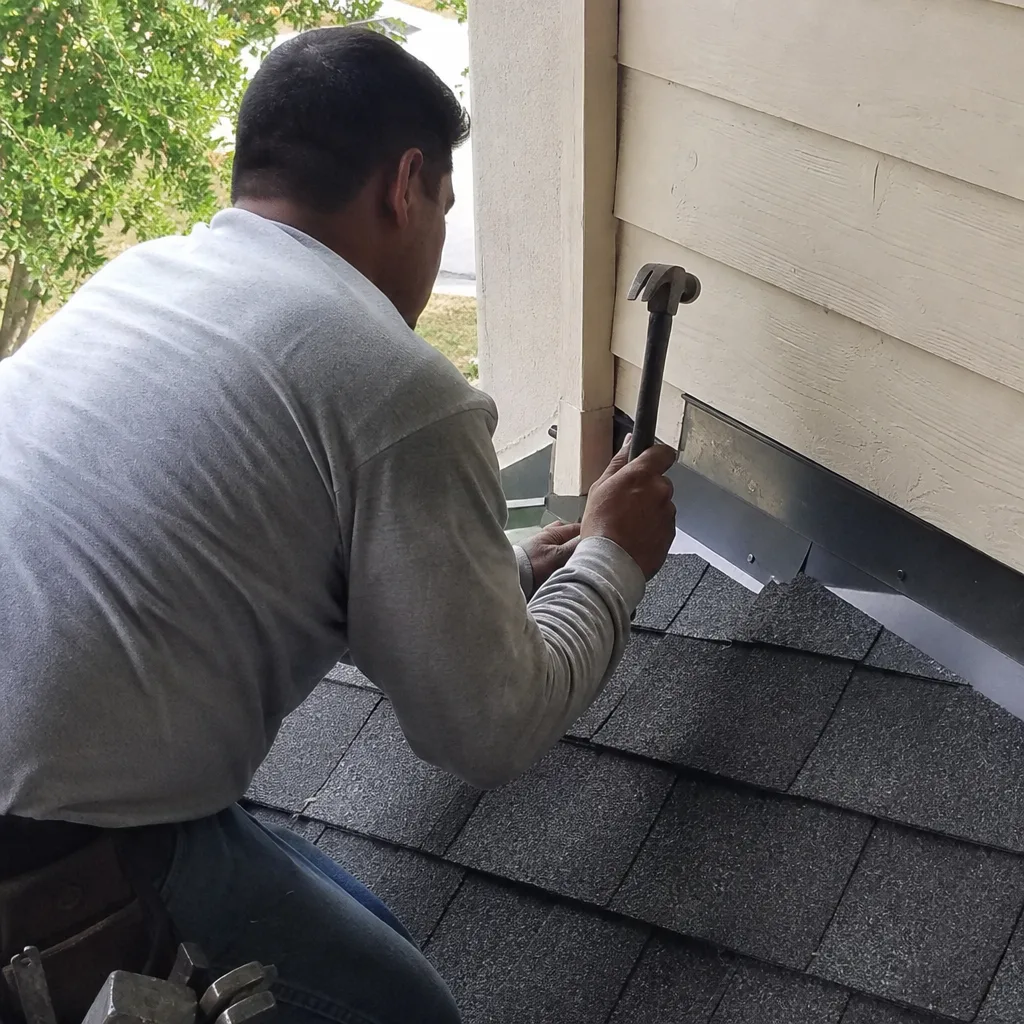
Construction in Fort Lauderdale is not generic Florida building with ocean views. The 170 mph wind-load zone, FEMA flood-zone requirements, and Florida Product Approval system create a specific compliance stack that shapes every material choice, every permit document, and every contract term. Homeowners who understand these layers before meeting a contractor can evaluate proposals accurately, avoid change-order surprises, and verify that their project will pass inspection and qualify for insurance. The key documents are your elevation certificate, your FPA numbers, and a written contract with fixed pricing and defined change-order protocol. Get those right, and the build follows.
Written by Grant Rowan, Owner at Rowan Construction Group Fort Lauderdale, serving Fort Lauderdale since 2007.