
Last updated September 25, 2026
Free written scope consultation - allowances, timeline, and change-order rules on paper before a single trade is scheduled

 Before
 After
After Before
 After
After Before
 After
AfterConstruction Permits, Codes & Inspections in FL: What You Need to Know
Unpermitted work in Fort Lauderdale is not just a resale problem. Florida law requires sellers to disclose known unpermitted improvements, and buyers’ lenders routinely order permit history searches that flag additions built without a final inspection. That can trigger mandatory demolition or retroactive permitting costs averaging $8,000-$22,000 depending on the trade. We’ve seen it: a Victoria Park homeowner who added a bathroom in 2019 without pulling permits faced a $14,000 retroactive compliance bill when the buyer’s title company found the open plumbing rough-in during a routine search in 2024. This guide maps the actual permit path for the five most common residential project types in Broward County, explains how Florida’s layered code system works in practice, and shows you how to verify permit history on any property before you buy, sell, or start work.
Quick Answer
Florida construction permits operate on a three-tier system: the Florida Building Code sets baseline requirements, each county amends it with local rules, and municipalities like Fort Lauderdale add further overlays. Most residential projects over $1,000 in value require permits, and work must stop at specific inspection hold points until a county or city inspector signs off. Homeowners can verify permit history free through the Broward County Property Appraiser’s website, and impact windows must carry documented Florida Product Approval numbers, not just a contractor’s verbal claim.
Table of Contents
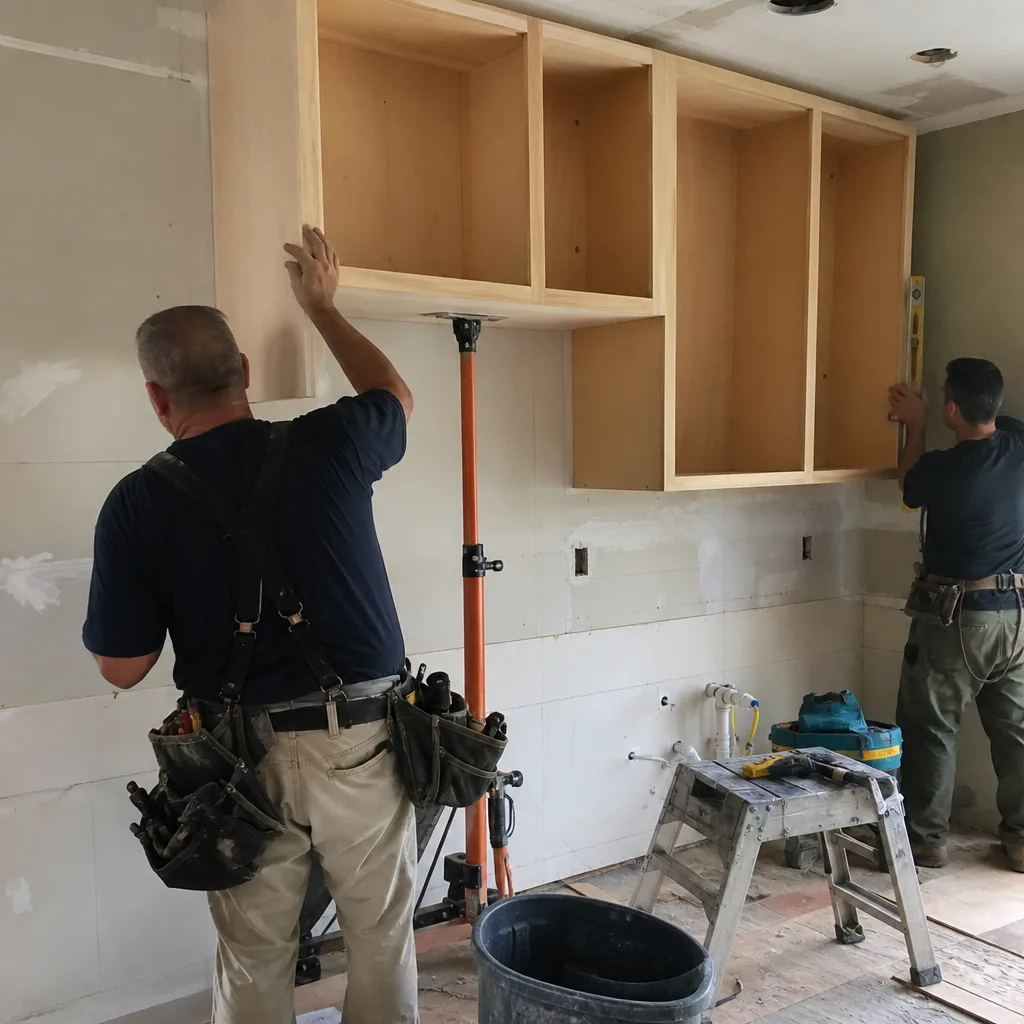
- Florida’s Three-Tier Code System: How Permits Actually Work
- The Five Permit Categories Every Fort Lauderdale Homeowner Faces
- Fort Lauderdale vs. Unincorporated Broward: Who Has Jurisdiction?
- Florida Product Approval: Why “Impact-Rated” Is Not Enough
- Inspection Hold Points: Where Work Must Stop
- How to Pull Permit History on Any Fort Lauderdale Property
- Permit Costs and Timelines in Broward County
- Common Mistakes to Avoid
- When to Call a Professional
- Frequently Asked Questions
- The Bottom Line
 Before
 After
AfterFlorida’s Three-Tier Code System: How Permits Actually Work
Florida does not have one building code. It has a baseline, then amendments, then municipal overlays, and the combination determines what you file, where you file it, and what inspections you face.
Tier 1: The Florida Building Code (FBC). Updated every three years, the FBC establishes minimum standards for structural, plumbing, mechanical, electrical, and energy compliance. Section 105 governs permits: work valued at $1,000 or more, or any structural, plumbing, mechanical, electrical, or roofing work, generally requires a permit regardless of dollar value. The FBC also mandates that all work comply with the Florida Energy Conservation Code and, in wind-borne debris regions like Fort Lauderdale, the High-Velocity Hurricane Zone provisions of the FBC.
Tier 2: County amendments. Broward County adopts the FBC with local amendments covering flood elevation, wind speed mapping (170 mph design wind speed for most of the county), and energy calculations. The county’s Building Division processes permits for unincorporated areas and enforces these amendments through its own inspection staff.
Tier 3: Municipal overlays. The City of Fort Lauderdale maintains its own Development Services Department, which processes permits within city limits with additional requirements: historic district review for properties in the Himmarshee or Sailboat Bend districts, landscaping and tree preservation rules under Chapter 46 of the city code, and specific setback enforcement that can differ from county standards by feet, not inches. A garage conversion permitted in unincorporated Broward may need design review in Fort Lauderdale’s Lake Ridge neighborhood.
The practical result: a roofing permit for a home on NE 15th Avenue in Fort Lauderdale goes through city Development Services, pays city fees, and faces city inspectors. The same roof three blocks west, across the city line into unincorporated Broward, goes through the county Building Division with different fee schedules and potentially different inspection scheduling protocols. We’ve completed roofing in Fort Lauderdale under both systems, and the city process typically adds 3-5 business days for plan review but offers more predictable inspection windows.
The Five Permit Categories Every Fort Lauderdale Homeowner Faces
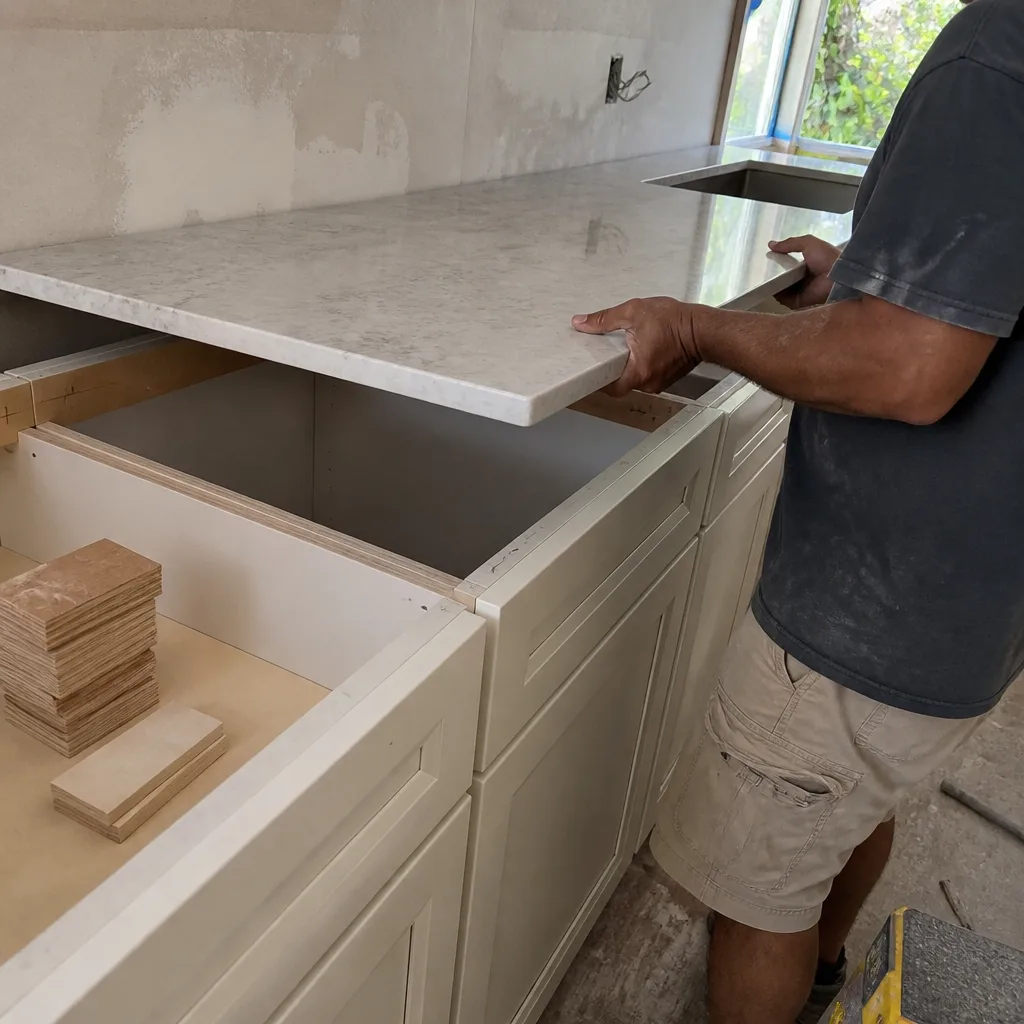
These five project types cover the majority of residential permits we see in Fort Lauderdale and Broward County. Each has specific thresholds, documentation requirements, and inspection sequences.
1. Roofing
All roofing work in Florida requires a permit under FBC Section 105. This includes full replacements, recover (adding a second layer), and repairs exceeding 25% of the total roof area in any 12-month period. Fort Lauderdale enforces the HVHZ provisions strictly: shingles must meet ASTM D7158 Class H, tile must have Miami-Dade or Florida Product Approval, and underlayment must be self-adhering modified bitumen or equivalent in the secondary water barrier zone.
Permit application requires: a roof diagram with dimensions and slope, manufacturer specification sheets, proof of Florida Product Approval or Miami-Dade Notice of Acceptance, and a wind mitigation form if the homeowner intends to file for insurance discounts. Inspection hold points include: pre-roofing (deck condition), dry-in (underlayment), and final. A mid-roof inspection may be required for tile or metal systems.
2. Electrical Panel Upgrades
Any service upgrade, panel replacement, or new subpanel requires an electrical permit. In Fort Lauderdale’s older neighborhoods like Coral Ridge or Lauderdale Isles, we regularly find 100-amp Zinsco or Federal Pacific panels that no longer meet NEC 2020 arc-fault and ground-fault requirements. The permit application requires a load calculation per Article 220, a site plan showing panel location, and manufacturer cut sheets.
Inspection hold points: rough-in (before drywall), and final with all circuits energized and labeled. Broward County requires AFCIs on most residential circuits; Fort Lauderdale enforces this with additional verification of tamper-resistant receptacles in all locations.
3. Bathroom and Kitchen Remodels
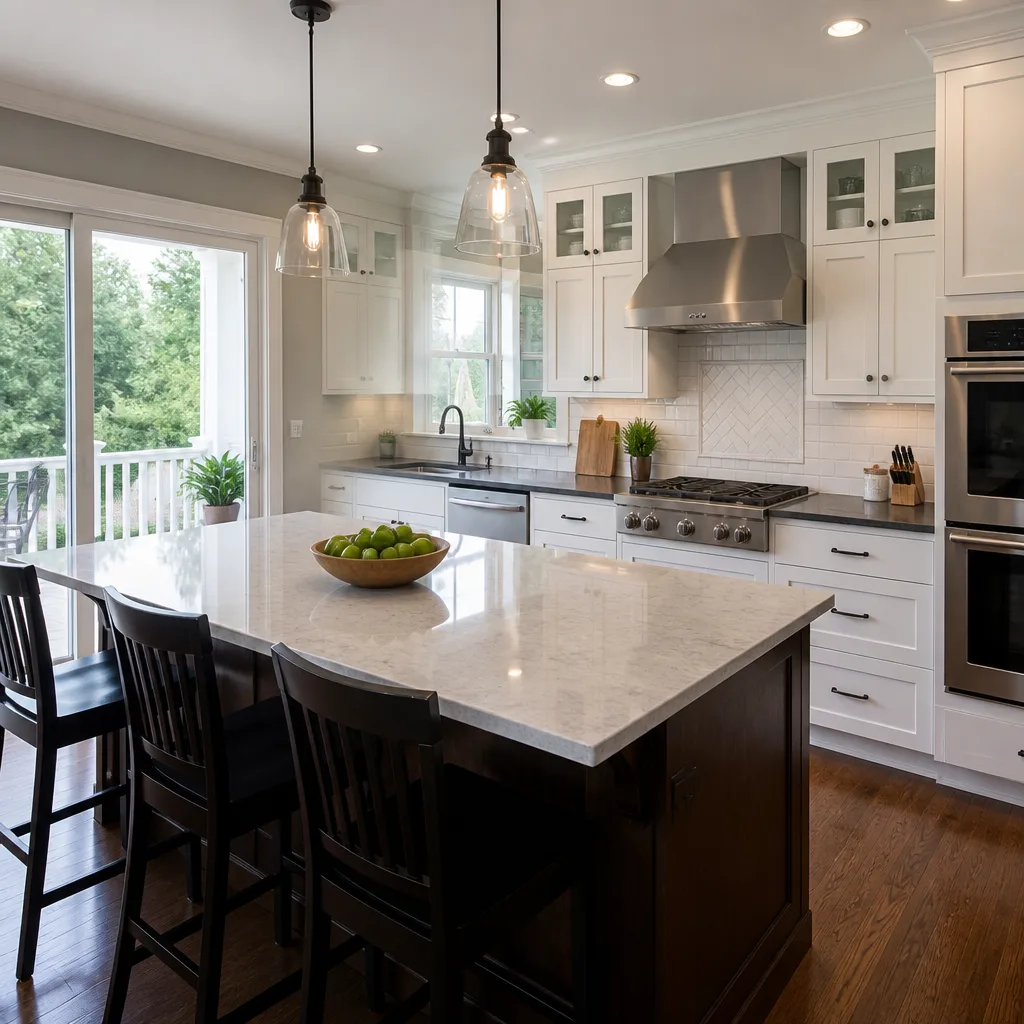
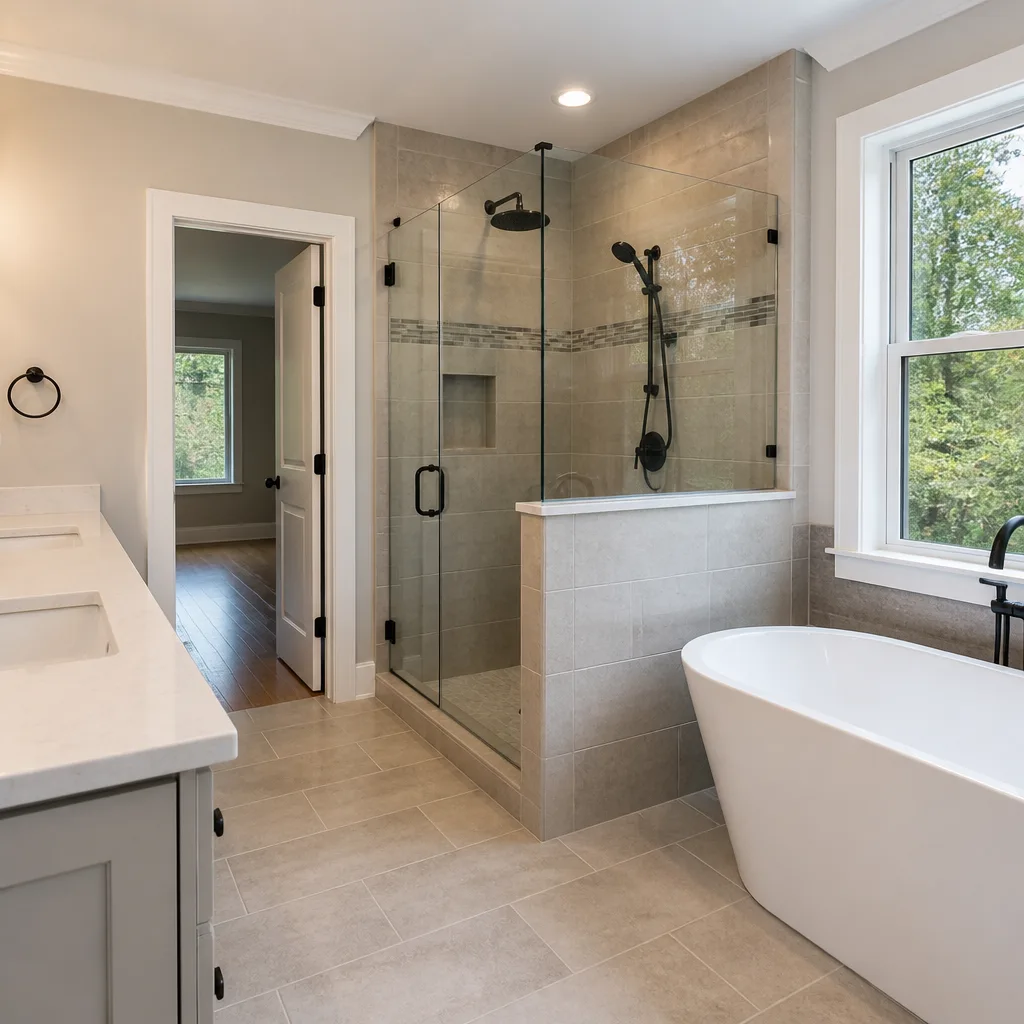
Permit triggers vary by scope. Cosmetic work-cabinets, countertops, paint-does not require permits. But move a sink drain, add a circuit for a garbage disposal, or relocate a gas line for a cooktop, and you trigger plumbing, electrical, or mechanical permits. In Fort Lauderdale, any kitchen remodeling in Fort Lauderdale that includes electrical or plumbing changes requires permits; a full gut with wall removal adds structural review.
We’ve installed Kitchen Remodeling in Fort Lauderdale projects with Wellborn cabinets and Cambria countertops where the only permit needed was electrical for appliance circuits. We’ve also done full reconfigurations in Rio Vista that required structural, plumbing, electrical, mechanical, and energy permits. The difference is whether load-bearing walls move or wet venting changes.
4. Room Additions and ADUs
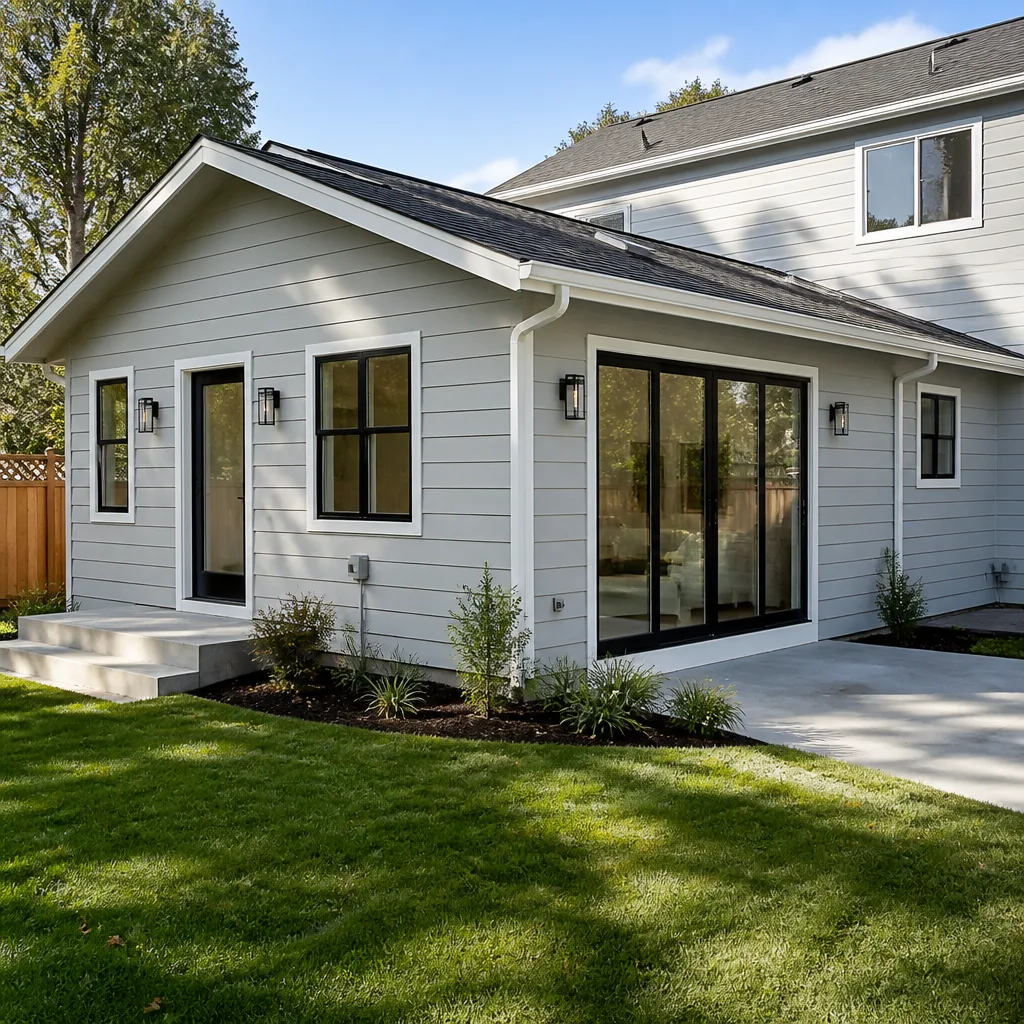
Additions and accessory dwelling units trigger the full permit stack: building, structural, plumbing, mechanical, electrical, and energy. In Fort Lauderdale, ADUs face additional zoning constraints-lot coverage, parking requirements, and in some R-1A districts, outright prohibition. The permit package requires engineered structural plans, MEP plans, energy compliance forms, and often a tree survey if the lot has protected species.
Inspection hold points are the most extensive: footing, foundation, frame rough-in, MEP rough-in, insulation, and final. Missing any hold point and proceeding to drywall can result in mandatory removal for inspection access.
5. Impact Window and Door Replacement
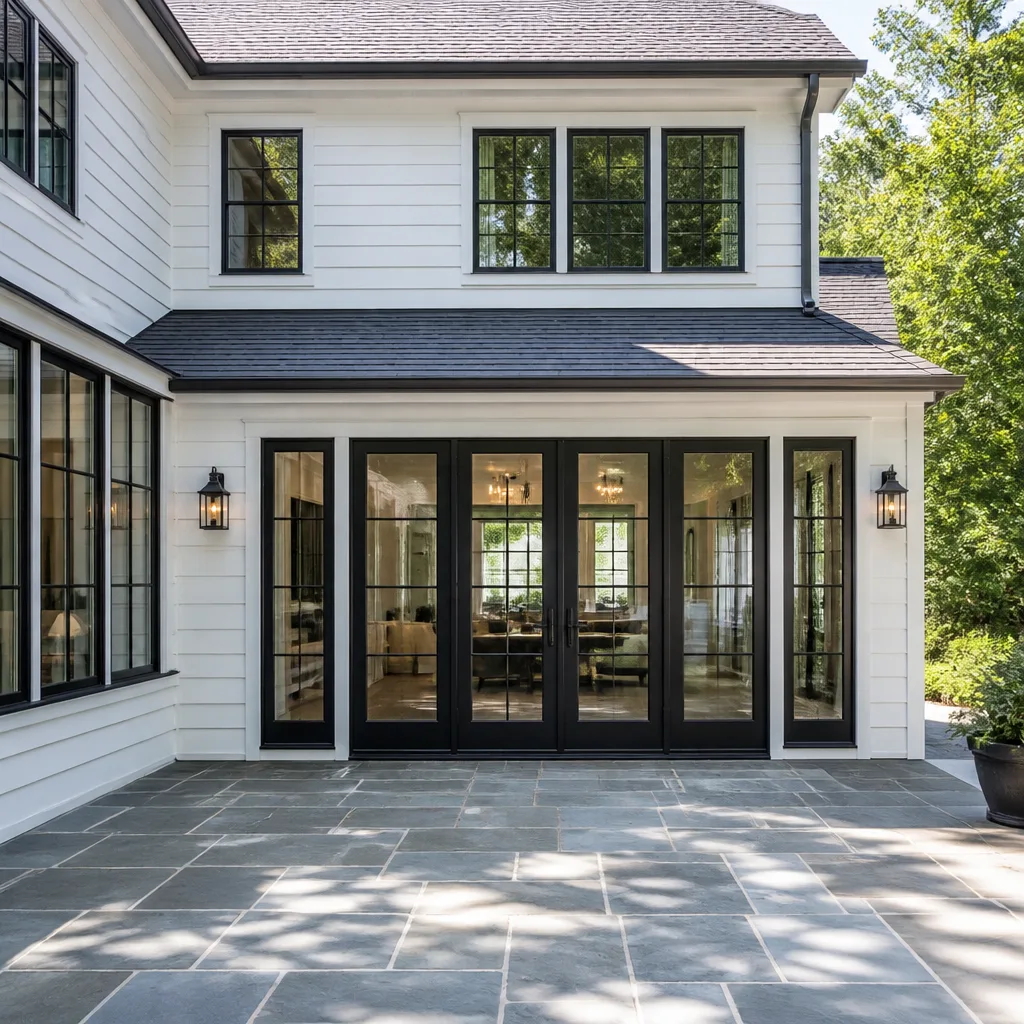
Window and door replacement in HVHZ zones requires permits with Florida Product Approval documentation. Fort Lauderdale enforces this strictly; we’ve seen homeowners purchase “impact-rated” windows online that lacked FPA numbers, requiring full replacement at the homeowner’s cost when the inspector rejected the permit application. The permit requires: window schedule with sizes, FPA numbers for each product, installation details per manufacturer, and wind pressure calculations.
Inspection hold points: rough opening verification (before installation), and final with operability and seal testing. Post-installation, the homeowner should receive a completed wind mitigation inspection form for insurance filing.
Fort Lauderdale vs. Unincorporated Broward: Who Has Jurisdiction?
The most common point of confusion we encounter: homeowners who don’t know whether to file with the city or the county. Filing in the wrong place costs time. Here’s how to determine jurisdiction.
- Use the Broward County GIS tool. Visit the Property Appraiser’s website, search the address, and check the “Jurisdiction” field. It will read “City of Fort Lauderdale,” “City of [other municipality],” or “Unincorporated Broward County.”
- Check your tax bill. City residents pay municipal taxes; unincorporated residents do not. The taxing authority on your TRIM notice matches your permitting authority.
- Call and verify. Fort Lauderdale Development Services answers at (754) 254-7676. Broward County Building Division answers at (754) 254-7676. Confirm before you submit plans.
Key differences in practice:
- Plan review time: Fort Lauderdale averages 10-15 business days for residential plan review; Broward County averages 7-12 for standard projects.
- Inspection scheduling: Fort Lauderdale uses an online portal with next-day scheduling for most trades; Broward County uses a phone-based system with 48-hour advance requirement.
- Fee structure: Fort Lauderdale charges a base permit fee plus valuation-based fees; Broward County uses a flat valuation schedule with lower base fees but higher per-thousand rates above $50,000 project value.
- Tree protection: Fort Lauderdale’s Chapter 46 tree code requires replacement planting for any protected tree removed; unincorporated Broward has less restrictive standards.
- Historic districts: Fort Lauderdale’s Himmarshee, Sailboat Bend, and parts of Colee Hammock require Historic Preservation Board review for exterior alterations; unincorporated Broward has no equivalent overlay.
We’ve pulled permits for home additions in Fort Lauderdale where the property line crossed from city to unincorporated mid-block, requiring dual jurisdiction coordination. The GIS check prevents this surprise.
Florida Product Approval: Why “Impact-Rated” Is Not Enough
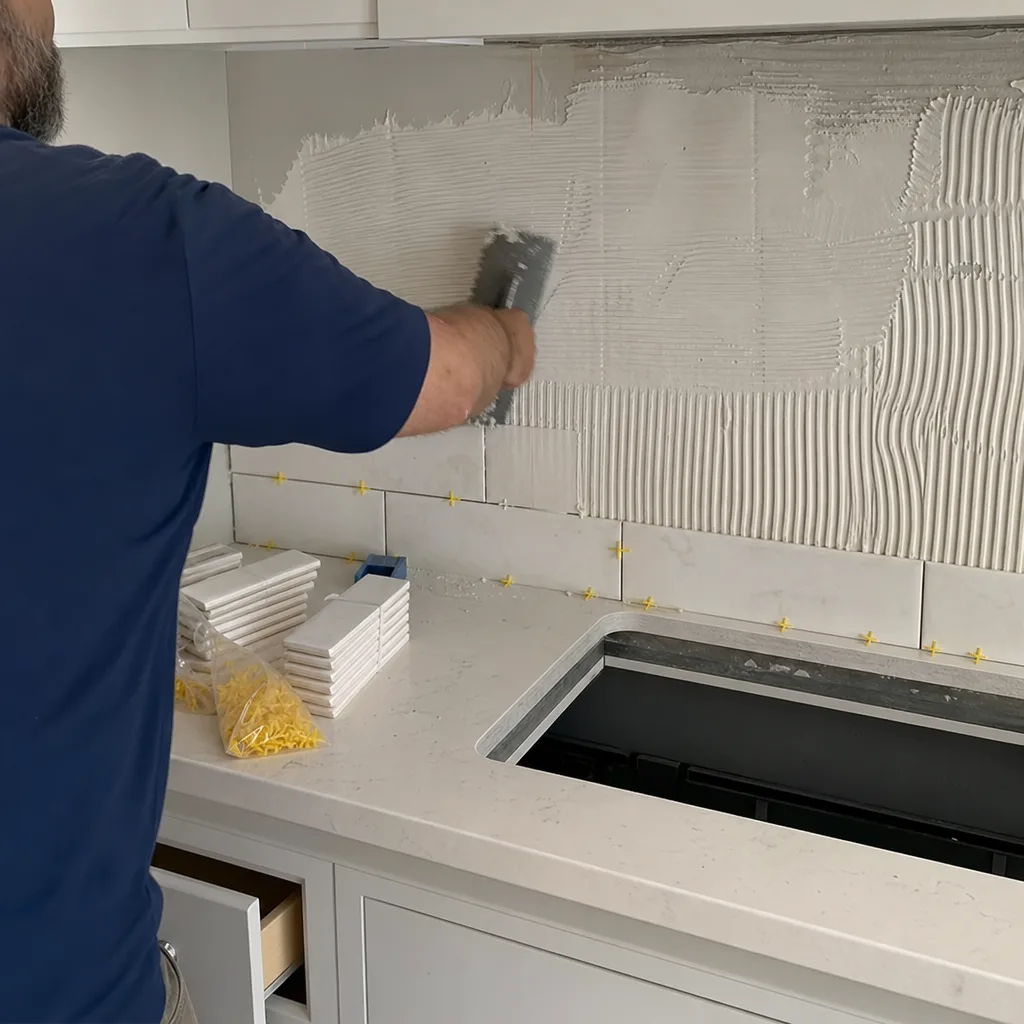
Florida’s High-Velocity Hurricane Zone demands documented product performance, not marketing claims. The Florida Product Approval (FPA) system is the state’s mechanism for verifying that windows, doors, shutters, and roofing products can withstand design wind pressures calculated for specific locations.
How to look up an FPA number:
- Visit the Florida Building Commission Product Approval website.
- Search by manufacturer name, product category, or known FPA number.
- Verify the product’s approved use category includes “HVHZ” for Fort Lauderdale installations.
- Check the expiration date; approvals expire and require renewal.
- Print or screenshot the approval page for your permit application.
Understanding Design Pressure (DP) ratings: DP measures the structural load a window or door can withstand, expressed in pounds per square foot (psf). A DP-50 window resists 75 psf of wind pressure. Fort Lauderdale’s 170 mph design wind speed translates to minimum DP requirements that vary by building height, exposure category, and internal pressure coefficients. A single-story home in Coral Shores faces different requirements than a two-story home on the Intracoastal with open exposure.
The practical meaning: a contractor saying “these are impact-rated” without providing FPA numbers is asking you to trust an unverifiable claim. Under Clause 1 of the Haven Standard, we provide written documentation of every product’s FPA number in the project file before installation begins. The permit application fails without it, and the inspection fails if the installed product doesn’t match the approved number.
For countertops in window-adjacent kitchens, we’ve sourced Cambria and Caesarstone surfaces that complement impact-window installations without requiring additional structural support, documenting the dead load in our written scope.
Inspection Hold Points: Where Work Must Stop
Broward County and the City of Fort Lauderdale use similar inspection sequences for residential construction, with five critical hold points where work cannot proceed until the inspector signs off. Skipping ahead is the most common cause of failed inspections and costly rework.
| Hold Point | What’s Inspected | What Happens If You Skip Ahead |
|---|---|---|
| Footing/Foundation | Excavation depth, rebar placement, concrete pour, elevation relative to flood datum | Slab must be cut for verification; possible full removal and re-pour |
| Frame Rough-In | Structural framing, shear walls, hold-downs, beam connections per engineered plans | Drywall must be removed; structural corrections exposed; schedule delay 2-4 weeks |
| MEP Rough-In | Plumbing pressure test, electrical wire and box placement, HVAC duct and refrigerant lines | Drywall removal; pressure test failure requires leak location and repair; insulation replacement |
| Insulation | R-value verification, vapor barrier placement, air sealing at penetrations | Drywall removal; insulation replacement; energy compliance recalculation |
| Final | All systems operational, code compliance verification, life safety items (egress, smoke detectors, GFCIs) | Certificate of Occupancy or Completion withheld; sale or refinance blocked |
In Fort Lauderdale’s flood zones, particularly the repetitive loss areas near the New River, an additional pre-construction elevation certificate inspection may be required. We’ve worked on bathroom remodeling in Fort Lauderdale projects where the flood zone designation changed between preliminary plan review and permit issuance, requiring revised elevation documentation.
Contractually, our projects include inspection scheduling as a line item in the written scope. Under the Haven Standard, no work proceeds to the next phase until the inspection passes and the signed card is in the project file. This discipline-signed change orders for scope changes, signed inspection cards for phase completion-is why our projects finish within a few percent of the agreed price. The alternative is what we see too often: contractors who drywall over uninspected MEP, hoping the inspector won’t notice, leaving the homeowner with concealed defects and no recourse.
How to Pull Permit History on Any Fort Lauderdale Property
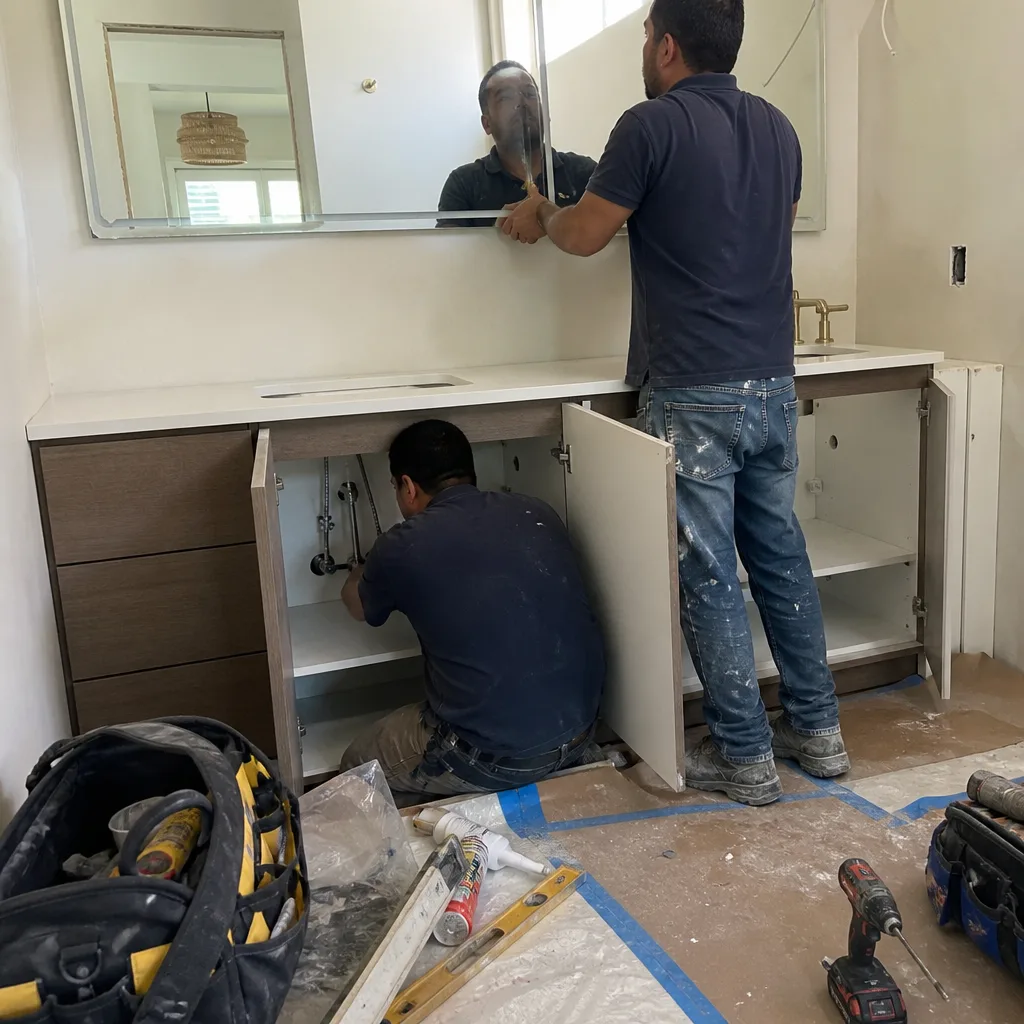
Before buying, selling, or bidding work on any property, verify its permit history. The process is free and takes under ten minutes.
- Go to the Broward County Property Appraiser’s website. Search by address or parcel ID.
- Click “Building Permits” or “Permit History.” This links to the county’s permit database, which includes most municipal permits through interlocal agreement.
- Review the permit list for:
- Permit numbers and dates
- Permit type (building, roofing, electrical, plumbing, mechanical)
- Status: issued, finaled, expired, or open
- Contractor of record
- Valuation amounts
- Check for open permits. An “open” status means work was permitted but never received final inspection. This is the red flag that triggers lender concerns and seller disclosure obligations.
- Cross-check with the City of Fort Lauderdale. For properties within city limits, also search the city’s permit portal, as some records may not sync immediately with the county database.
What “open permit” means for transactions: Florida’s seller disclosure form (Section 5 of the Residential Contract for Sale and Purchase) requires disclosure of “any improvements made without required permits.” An open permit is not technically unpermitted work, but it signals incomplete compliance. Lenders increasingly order permit history searches through third-party services; an open permit for a room addition can trigger a requirement for final inspection before closing, or an escrow holdback of $5,000-$15,000 until the permit is closed.
We’ve reviewed permit histories for Fort Lauderdale homeowners preparing to sell, finding open permits from previous contractors who never called for final inspection. The cost to close an old permit varies: $300-$800 if the work is accessible and compliant, $2,000-$8,000 if rework is needed, and demolition if the work was never built to code. Our Free Second Opinion on any written estimate includes permit history review; bring a competitor’s quote and we’ll check whether their scope accounts for permit closure costs.
Permit Costs and Timelines in Broward County
Permit fees are not uniform. They vary by jurisdiction, project valuation, and trade complexity. Here’s what Fort Lauderdale homeowners should budget.
| Project Type | Fort Lauderdale Fee Range | Broward County Fee Range | Typical Timeline (plan review + inspections) |
|---|---|---|---|
| Roofing (2,000 sq ft) | $450-$750 | $380-$650 | 2-3 weeks |
| Electrical panel upgrade | $280-$450 | $220-$380 | 1-2 weeks |
| Kitchen remodel (no structural) | $350-$600 | $300-$520 | 2-4 weeks |
| Bathroom remodel (full gut) | $400-$700 | $340-$600 | 2-4 weeks |
| Room addition (500 sq ft) | $1,800-$3,200 | $1,500-$2,800 | 6-10 weeks |
| Impact windows (whole house, 15 openings) | $520-$850 | $450-$750 | 2-3 weeks |
These fees cover permit issuance and base inspections. Re-inspection fees apply if the inspector finds deficiencies: typically $100-$150 per re-inspection in Fort Lauderdale, $75-$125 in unincorporated Broward. Expedited plan review is available in Fort Lauderdale for 150% of standard fees, with 5-business-day turnaround.
Timeline factors beyond jurisdiction: hurricane season (June-November) slows inspections as staff deploys to damage assessments; holiday weeks in December and around July 4 compress scheduling; and complex projects requiring structural engineering review add 2-3 weeks for consultant coordination. We build these variables into our written project schedules, with permit acquisition as a discrete phase before construction begins.
Common Mistakes to Avoid
- Assuming cosmetic work never needs permits. In Fort Lauderdale, replacing a window with the same size usually requires no permit, but changing the rough opening size triggers structural and energy permits. Verify before cutting.
- Trusting a contractor who says “we’ll pull permits later.” Permits must be issued before work starts. Post-dated permits expose the homeowner to stop-work orders and double fees. Under the Haven Standard, permit application is a pre-construction milestone with a signed confirmation in the project file.
- Buying impact windows without verifying FPA numbers. We’ve replaced windows in Harbor Beach where the homeowner purchased “HVHZ-rated” products online that lacked Florida Product Approval. The $12,000 purchase became scrap metal; the permit application was rejected before installation began.
- Ignoring open permits from previous owners. A Poinsettia Heights buyer discovered a 2017 open plumbing permit for a pool bath addition. The seller had to pay $6,800 for retroactive inspection, drywall removal, and code upgrades before closing could proceed.
- Skipping the GIS jurisdiction check. A contractor who files with Broward County for a Fort Lauderdale property wastes 7-10 days before the misfile is caught. We verify jurisdiction in the first hour of project evaluation.
- Underestimating flood zone requirements. Fort Lauderdale’s flood zones (AE, VE, X) determine elevation, venting, and material requirements. A VE zone addition requires breakaway walls and elevated utilities; building to AE standards in a VE zone is a code violation, not a savings.
- Failing to document the final inspection. The Certificate of Completion or Occupancy is the legal proof that work was built to code. Without it, the permit remains open indefinitely. Our documented photo record includes images of the posted certificate, delivered to the homeowner’s project file.
When to Call a Professional
Permit complexity escalates quickly. A homeowner replacing a faucet needs no help. A homeowner moving a load-bearing wall during a kitchen remodel needs engineered plans, structural calculations, and coordinated MEP permits. Call a licensed contractor when: the project involves multiple trades; the property is in a flood zone or historic district; the permit history shows open items; or the work value exceeds $5,000 and your time to manage the process has a cost.
Rowan Construction Group Fort Lauderdale offers free estimates in Fort Lauderdale. Every estimate includes a permit strategy: which permits, which jurisdiction, estimated fees, and timeline. Call (754) 254-7676 to schedule yours. We bring the written price before any work starts, every time, on every trade.
Frequently Asked Questions
Residential permit fees in Fort Lauderdale range from $280 for a simple electrical panel upgrade to $3,200 or more for a substantial room addition, with most kitchen and bathroom remodels falling between $350 and $700. Fees are based on project valuation and trade type, with additional charges for plan review, re-inspections, and expedited processing. Call (754) 254-7676 for a line-item permit cost breakdown included with your free estimate.
Florida allows homeowners to pull permits for work on their primary residence, but Broward County and Fort Lauderdale require the homeowner to perform the work personally, not hire unlicensed helpers. Electrical and plumbing work must still pass the same inspections as contractor-performed work, and the homeowner assumes full liability for code compliance. For panel upgrades, gas line work, or anything involving life safety systems, we recommend using a licensed contractor who carries the errors and omissions coverage that protects you if something fails.
Under the Haven Standard, no work proceeds on a change until the change order is signed. If permit-related conditions emerge-such as unpermitted previous work that must be brought to code, or flood zone requirements not visible in preliminary research-we document the finding with photos, explain the requirement, and provide a written change order with a fixed price before any additional work begins. This discipline has kept our projects within a few percent of the agreed price across 4,000-plus jobs since 2007.
Rowan Construction Group pulls all permits as part of our standard project management. We file the application, coordinate plan review responses, schedule inspections, and ensure the Certificate of Completion is posted and photographed for your records. The permit cost is itemized in your written quote, not hidden in overhead. This is included, not optional, because unpermitted work voids our 365-Day Done Right Promise.
Plan review for standard residential permits in Fort Lauderdale averages 10-15 business days; Broward County averages 7-12. Complex projects requiring structural engineering review or historic preservation board approval add 2-4 weeks. Once issued, inspections typically schedule within 1-3 business days. Total timeline from application to final inspection ranges from 2 weeks for a panel upgrade to 10 weeks for a room addition. We build permit timelines into every written project schedule.
Florida law requires disclosure of known unpermitted improvements, and buyers’ lenders increasingly order permit history searches that reveal open or missing permits. Remediation options include: retroactive permitting with inspections and any required corrections ($8,000-$22,000 typical range); demolition of non-compliant work; or negotiating a price reduction or escrow holdback at closing. Before purchasing any Fort Lauderdale property, we recommend a permit history review through the Broward County Property Appraiser’s website, which we perform at no charge as part of our Free Second Opinion service.
The Bottom Line
Florida’s permitting system rewards preparation and punishes assumptions. The three-tier code structure-state baseline, county amendment, municipal overlay-means identical projects face different requirements across Fort Lauderdale’s city limits and unincorporated Broward. The five permit categories we’ve mapped account for most residential work, and each has specific documentation thresholds, inspection hold points, and failure costs that compound when skipped. Florida Product Approval numbers are verifiable facts, not marketing claims. Permit histories are public records, free to access, and increasingly scrutinized by lenders and buyers. The homeowners who fare best are those who verify jurisdiction before filing, document products before purchasing, and work with contractors who treat permits as a project phase, not an afterthought.
Written by Grant Rowan, Owner at Rowan Construction Group Fort Lauderdale, serving Fort Lauderdale since 2007.