
Last updated September 25, 2026
Free written scope consultation - allowances, timeline, and change-order rules on paper before a single trade is scheduled
 Before
 After
After Before
 After
After Before
 After
AfterSeasonal Construction Care for Fort Lauderdale: Year-Round Homeowner’s Guide
The Fort Lauderdale area averages 62 inches of annual rainfall - more than Seattle - concentrated in a six-month window that turns minor flashing gaps, hairline stucco cracks, and improperly sloped concrete into water-intrusion claims averaging $18,000 in remediation costs according to Broward County insurance adjuster data. Most homeowners here don’t have a spring or fall maintenance ritual because the calendar doesn’t feel like it changes. But construction professionals in Fort Lauderdale work around two distinct cycles: a dry season when exterior work should happen, and a wet season when existing details are stress-tested daily. This guide - alongside our The Complete Guide to Construction in Fort Lauderdale - maps what to do, when to do it, and what it costs to stay ahead of the water.
Quick Answer
Fort Lauderdale homes need construction maintenance organized around two cycles, not four seasons. Dry season (November through April) is for exterior inspections, repairs, and installations. Wet season (May through October) is for monitoring, documentation, and addressing what the rain reveals. Proactive seasonal maintenance for a typical 2,000 square foot home runs $800-$2,500 annually; reactive repair after water intrusion averages $18,000 in Broward County. See our Construction Cost Breakdown: The Fort Lauderdale Homeowner’s Reference for 2026 for detailed pricing.
Table of Contents
- Dry Season Task List: November Through April
- Wet Season Monitoring Protocol: May Through October
- Hurricane Preparedness as Construction Maintenance
- Salt-Air Oxidation: The Hidden Accelerant
- Proactive vs. Reactive: Real Fort Lauderdale Costs
- Documentation Systems That Protect Your Investment
- Common Mistakes to Avoid
- When to Call a Professional
- Frequently Asked Questions
 Before
 After
AfterDry Season Task List: November Through April
In Fort Lauderdale, dry season means relative humidity drops into the 50s and rainfall averages under 2.5 inches monthly. This is the window for exterior work because materials cure predictably, sealants bond properly, and crews can see what they’re sealing. We’ve delivered over 4,000 projects since 2007, and the ones that hold up best share one trait: the critical exterior details were addressed before May.
Here are the five tasks with the highest return on investment, with contractor pricing ranges based on what we quote in the Fort Lauderdale market:
1. Stucco Crack Injection and Seal
Hairline cracks in stucco aren’t cosmetic in Fort Lauderdale - they’re water highways. The combination of daily wet-season rain and salt air drives moisture through cracks as small as 1/16 inch, saturating the wire lath and sheathing behind. By dry season, that moisture has cycled through expansion and contraction, widening the crack.
A proper repair involves routing the crack to 1/4 inch, injecting a flexible acrylic sealant (we specify SikaFlex or equivalent), and applying a matching elastomeric coating. For a typical single-story Fort Lauderdale home with 20-40 linear feet of cracking, expect $450-$850. Homes in Coral Ridge or Las Olas Isles with older stucco systems may need more extensive remediation at $1,200-$2,800 if the substrate is compromised.
2. Roof Flashing Re-Sealing
Roof-to-wall transitions, chimney saddles, and vent penetrations are the failure points we document most often in wet-season inspections. In Fort Lauderdale, the 6/12 pitch common on ranch-style homes in neighborhoods like Imperial Point creates slower runoff, giving water more time to find gaps.
Flashing re-sealing involves removing degraded caulk, cleaning to bare metal, applying a polyurethane sealant compatible with your roof material, and installing counter-flashing where missing. For standard asphalt shingle roofs using Tamko or GAF systems, this runs $350-$750 for a typical home with 4-6 penetration points. Tile roofs with Boral or similar clay/concrete products require more labor for careful tile removal and replacement: $650-$1,400.
Under Clause 1 of the Haven Standard, we provide a written price before any work starts on roofing in Fort Lauderdale - the quote includes the specific penetration count and photos of each location.
3. Impact Window and Door Gasket Inspection
Impact-rated windows and doors are code-required in Broward County, but the gaskets and weatherstripping that seal them are maintenance items. Salt air hardens EPDM and silicone gaskets over 3-5 years, creating gaps that pass water even when the glazing itself is intact.
Inspect gasket continuity at the sill, jamb, and head of each operable unit. Look for compression set (permanent flattening), UV crazing, and detachment from the frame channel. Replacement gasket kits for PGT or CGI windows run $25-$60 per unit if you’re sourcing directly; professional replacement including cleaning the frame channel and verifying proper compression is $85-$150 per opening. For a home with 15-20 operable impact windows and doors, budget $1,300-$2,800 for complete gasket refresh.
4. Concrete and Paver Slope Correction
Flatwork that drains toward the foundation is a wet-season liability. In Fort Lauderdale’s sandy soils, water that ponds against the slab can undermine the grade and create hydrostatic pressure on the foundation wall. The fix depends on severity.
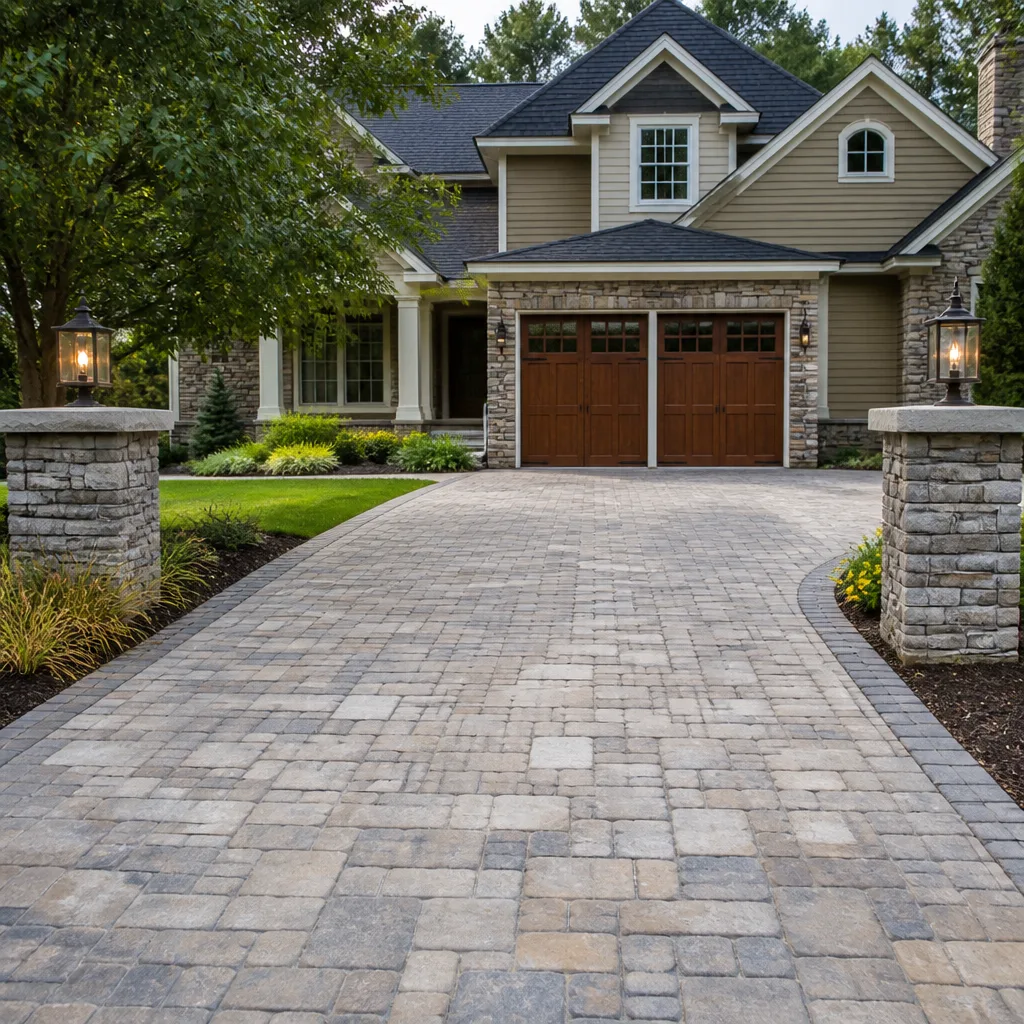
Minor slope correction using self-leveling polymer overlays: $4-$8 per square foot for areas under 200 square feet. More significant re-pitching with removal and replacement of concrete or Belgard/Techo-Bloc pavers: $12-$18 per square foot. For a typical driveway apron or patio area of 300 square feet, expect $3,600-$5,400 for proper re-pitching with perimeter drainage.
5. Soffit and Fascia Ventilation Audit
Continuous soffit ventilation is required by Florida Building Code for attic moisture management, but it’s often compromised by paint, wasp nests, or improper insulation installation. Blocked soffits trap wet-season humidity in the attic, accelerating sheathing decay and creating conditions for mold.
A professional audit includes airflow measurement at each vent bay, inspection of baffle integrity, and clearance verification above the insulation. Repair of blocked or damaged soffit vents: $150-$400. Replacement of aluminum fascia with salt-air-rated finishes: $8-$14 per linear foot. For a typical Fort Lauderdale home with 120 linear feet of fascia, complete replacement runs $960-$1,680.
Wet Season Monitoring Protocol: May Through October
Fort Lauderdale’s wet season delivers 6-8 inches of rain monthly, often in brief, intense events that test every construction detail at once. The goal isn’t to work on the house during this period - it’s to observe, document, and build the repair list for next dry season.
We’ve refined this protocol across thousands of wet-season service calls in Fort Lauderdale. It takes 45 minutes after each significant rain event (0.5 inch or more in an hour) and creates the documentation that prevents $18,000 surprises.
The Four-Zone Check
- Roof-to-Wall Transitions: From ground level, use binoculars to check for water staining at chimney sides, dormer cheeks, and second-story wall junctions. Any new discoloration gets a dated photo with the address visible on a notecard in frame.
- Soffit and Eave Lines: Look for water drip marks on the soffit surface, which indicate either roof-edge overflow or ice damming (rare here, but possible with poor attic ventilation). Sagging soffit panels suggest trapped moisture.
- Garage Door Bottom Seal: Check for water line marks on the concrete just inside the door. The seal should compress to 1/4 inch or less gap; if light is visible beneath the closed door, water enters during wind-driven rain common in Fort Lauderdale afternoon storms.
- French Drain and Surface Drainage: During rain, observe flow rates at catch basins and channel drains. Standing water that persists more than 30 minutes after rain stops indicates blockage or insufficient slope. In Victoria Park and Rio Vista, where lot sizes are smaller and impervious cover is higher, this is the most common wet-season finding we document.
Documentation Standards
Every finding gets three items: a dated photo, a written note with location and condition, and a severity rating (1 = monitor, 2 = repair next dry season, 3 = emergency intervention). This is the same documentation standard we deliver on every Rowan Construction Group visit - included as standard, not an upgrade. After wet season, you’ll have a prioritized repair list with evidence, not memory.
For homes with Roofing in Fort Lauderdale systems approaching 15 years, we recommend a professional wet-season inspection mid-cycle (July or August) to catch acceleration in wear patterns that dry-season inspection might underestimate.
Hurricane Preparedness as Construction Maintenance
Hurricane preparation in Fort Lauderdale isn’t a September scramble - it’s a construction maintenance discipline that should be complete by June 1. The Insurance Institute for Business & Home Safety (IBHS) FORTIFIED standard provides the technical framework; our job is translating it to a checklist that fits a weekend.
Pre-Storm Inspection Checklist
- Roof-to-Wall Connectors: In homes built before 2002, hurricane straps or clips may be absent or inadequately nailed. Visible inspection from the attic (look for metal connectors at each truss-rafter-to-top-plate intersection) is sufficient for preliminary assessment. Missing or loose connectors are a Priority 3 repair - they require a structural contractor. In Fort Lauderdale’s older neighborhoods like Colee Hammock and Sailboat Bend, we find this condition in roughly 30% of pre-2000 homes we inspect.
- Shutters or Impact Glazing: Test operable shutters for smooth deployment; lubricate tracks and verify locking pins. For impact-rated windows (PGT, CGI, or similar), inspect the glazing label for expiration - laminated glass doesn’t degrade, but the frame sealant does. Any window that leaked in prior storms needs gasket replacement before the next season.
- Generator Transfer Switch: If you have a permanent generator, test the transfer switch under load monthly during wet season. The switch is a construction component - it connects to your electrical panel and requires the same maintenance discipline as your roof. A failed transfer switch during a post-storm outage creates the same inhabitable conditions as structural damage.
- Secondary Water Barriers: For homes with tile or metal roofs, the self-adhered membrane beneath the primary roofing is the last defense if tiles blow off. This isn’t homeowner-serviceable, but a Roofing in Fort Lauderdale professional can inspect from the attic for membrane continuity at valleys and penetrations.
The FORTIFIED standard emphasizes that roof edge securement is the single highest-impact upgrade for existing homes. In Fort Lauderdale, where wind-borne debris from mature banyans and royal palms is common, this means ring-shank nails at 6-inch spacing on the perimeter three feet, not the standard 8-inch. Retrofit cost for a typical 2,000 square foot roof: $2,800-$4,500 during re-roofing, or $4,200-$7,800 as a standalone upgrade.
Salt-Air Oxidation: The Hidden Accelerant
South Florida’s salt-air environment accelerates metal degradation by a factor of 3-5 compared to inland Florida. For Fort Lauderdale homeowners, this isn’t an abstract concern - it’s the reason fasteners fail, coils corrode, and fascia pits while the same components last decades in Orlando.
Three Critical Components
Aluminum Fascia: The mill finish on standard aluminum fascia begins to chalk and pit within 5-7 years in Fort Lauderdale’s coastal zone. The corrosion isn’t structural initially, but it destroys the finish and creates sites for biological growth. Maintenance: annual cleaning with a mild phosphoric acid solution, followed by re-coating with a high-build acrylic if the original finish is compromised. Replacement with salt-air-rated coil stock (Kynar 500 or equivalent): $12-$18 per linear foot installed.
Steel Fasteners in Wood Framing: Galvanized fasteners in pressure-treated lumber experience accelerated corrosion due to the copper in modern treatment chemicals plus salt air. The result is “fastener creep” - the nail or screw loses grip, allowing siding, trim, or structural connectors to loosen. Inspection with a magnet identifies loose fasteners; replacement with stainless steel (316 grade within 5 miles of the coast) is permanent. For a typical siding refresh on a Fort Lauderdale home, fastener replacement adds $400-$800 to the project but eliminates the 8-10 year re-nail cycle.
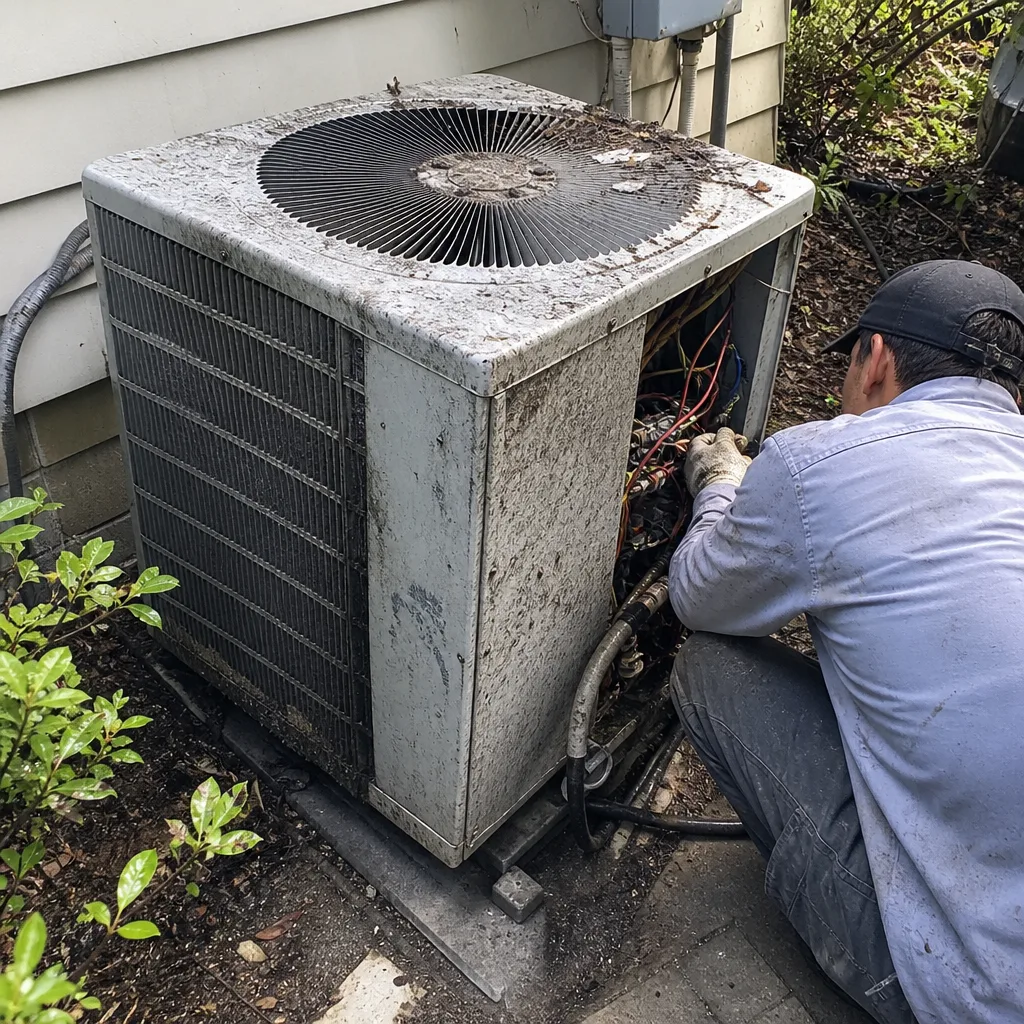
HVAC Condenser Coils: Salt deposits on aluminum fins accelerate galvanic corrosion where the fins contact copper tubes. The industry-standard maintenance is foaming cleaner, but for salt-air environments we specify Coil King or equivalent low-pH foaming cleaner followed by fresh water rinse - monthly during wet season, quarterly during dry season. Professional coil cleaning: $150-$250 per unit. Coil replacement due to salt degradation: $1,800-$3,200 for a 3-ton residential unit.
We’ve specified Corroseal rust converter for fastener remediation in Fort Lauderdale homes since 2012. It chemically converts iron oxide to a stable black primer, buying 2-3 years before replacement is necessary. A quart covers approximately 100 square feet of affected surface at material cost of $35-$45.
Proactive vs. Reactive: Real Fort Lauderdale Costs
The financial case for seasonal maintenance is stark in Broward County, where water intrusion claims drive homeowner insurance rates among the highest in Florida. Here’s the comparison based on our project records and adjuster data:
| Proactive Maintenance (Annual) | Reactive Repair (After Intrusion) |
|---|---|
| Stucco crack injection: $450-$850 | Stucco remediation + sheathing repair: $4,200-$8,500 |
| Flashing re-seal: $350-$750 | Interior drywall, insulation, mold remediation: $6,500-$14,000 |
| Gasket replacement (windows/doors): $1,300-$2,800 | Impact window frame replacement due to substrate rot: $3,800-$7,200 per unit |
| Concrete slope correction: $3,600-$5,400 | Foundation repair from hydrostatic pressure: $8,000-$18,000 |
| Soffit/fascia maintenance: $150-$1,680 | Attic sheathing, insulation, mold remediation: $5,500-$12,000 |
| Annual total: $800-$2,500 (selective, not all items yearly) | Typical claim: $18,000 (Broward County average) |
The multiplier isn’t the only cost. Reactive repair involves demolition, drying periods, multiple contractor trades, and displacement from the home. In our experience across 4,000-plus projects, reactive jobs also carry higher change-order frequency - the full extent of damage isn’t visible until demolition begins, and without the discipline of signed change orders (Clause 1 of the Haven Standard), costs inflate.
Under our 365-Day Done Right Promise, if it is not done right, Rowan makes it right. The guarantee is printed on every page and backed by a terms page, not an asterisk. This applies to maintenance work as well as major projects - the same written price, the same documented photo record, the same crew verification.
Documentation Systems That Protect Your Investment
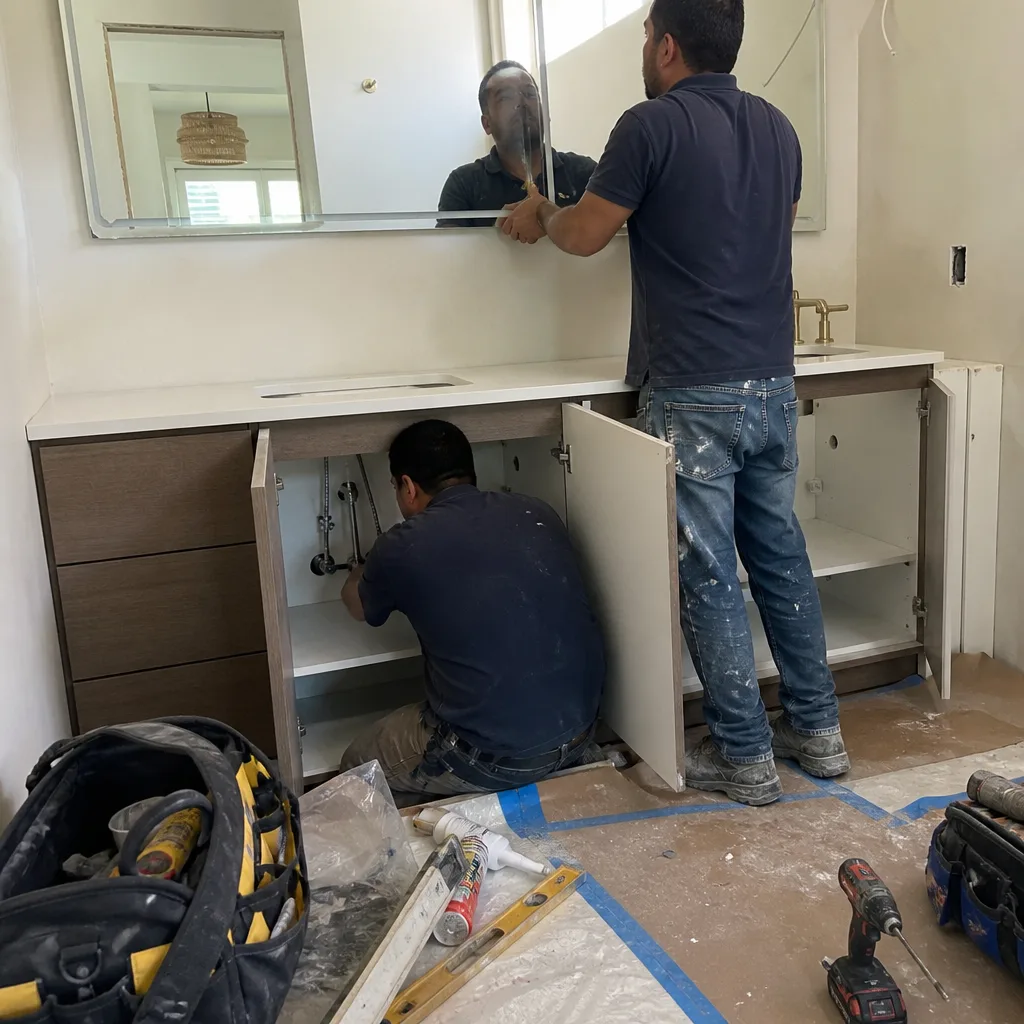
Documentation isn’t bureaucracy - it’s the evidence that protects your warranty claim, your insurance dispute, and your resale value. In Fort Lauderdale’s high-velocity hurricane zone, buyers and their insurers scrutinize maintenance records.
Our standard deliverable on every visit includes:
- Dated photo record: Every finding, before and after, geotagged and time-stamped. The customer receives the full set, not a selection.
- Written condition report: What was found, what was done, what should be monitored. No vague language - specific measurements, locations, and severity ratings.
- Line-item quote for future work: If we identify something beyond the scope of the current visit, the written price arrives within 24 hours, not after repeated follow-up calls.
For seasonal maintenance, we recommend homeowners maintain a parallel file: your wet-season photos, your contractor’s reports, and your product specifications (shingle type, window manufacturer, sealant brand). This file transfers with the home and demonstrates due diligence to insurers. In Fort Lauderdale’s market, where windstorm and flood insurance are significant carrying costs, documented maintenance history can influence underwriting decisions.
Our Free Second Opinion on Any Written Estimate applies to maintenance quotes as well. Bring a competitor’s proposal and we’ll review it line by line at no charge - the same discipline Haven acquired Rowan for, applied to projects of any size.
Common Mistakes to Avoid
- Waiting for visible interior damage: By the time drywall stains appear in Fort Lauderdale homes, the substrate has been wet for multiple wet seasons. The repair cost triples because you’re replacing structure, not just sealing an entry point.
- Pressure-washing stucco: High-pressure water drives moisture through hairline cracks and degrades the finish coat. In Victoria Park, we’ve seen well-meaning annual pressure washing reduce stucco life by half. Use low-pressure chemical cleaning instead.
- Ignoring garage door seals: The bottom seal is the lowest-cost replacement item on this list ($25-$40 DIY, $85-$150 installed) and the most commonly deferred. A failed seal during a tropical storm can flood a garage, ruining stored items and creating slip-fall liability.
- DIY roof edge work: The roof edge is the highest-wind-load zone and the most dangerous to access. Falls from single-story roofs in Fort Lauderdale account for a disproportionate share of homeowner emergency room visits during pre-storm preparation. This is documented professional work.
- Skipping the attic inspection: Florida attics reach 140°F in summer, so homeowners avoid them. But attic inspection reveals roof leaks months before interior damage appears. We include attic documentation on every roofing inspection - it’s standard, not optional.
- Using interior-grade products outdoors: Caulk labeled “paintable” or “interior/exterior” often lacks the UV and salt-air resistance Fort Lauderdale requires. We specify polyurethane or silicone sealants for all exterior applications - the material cost difference is $3-$5 per tube, the performance difference is years.
When to Call a Professional
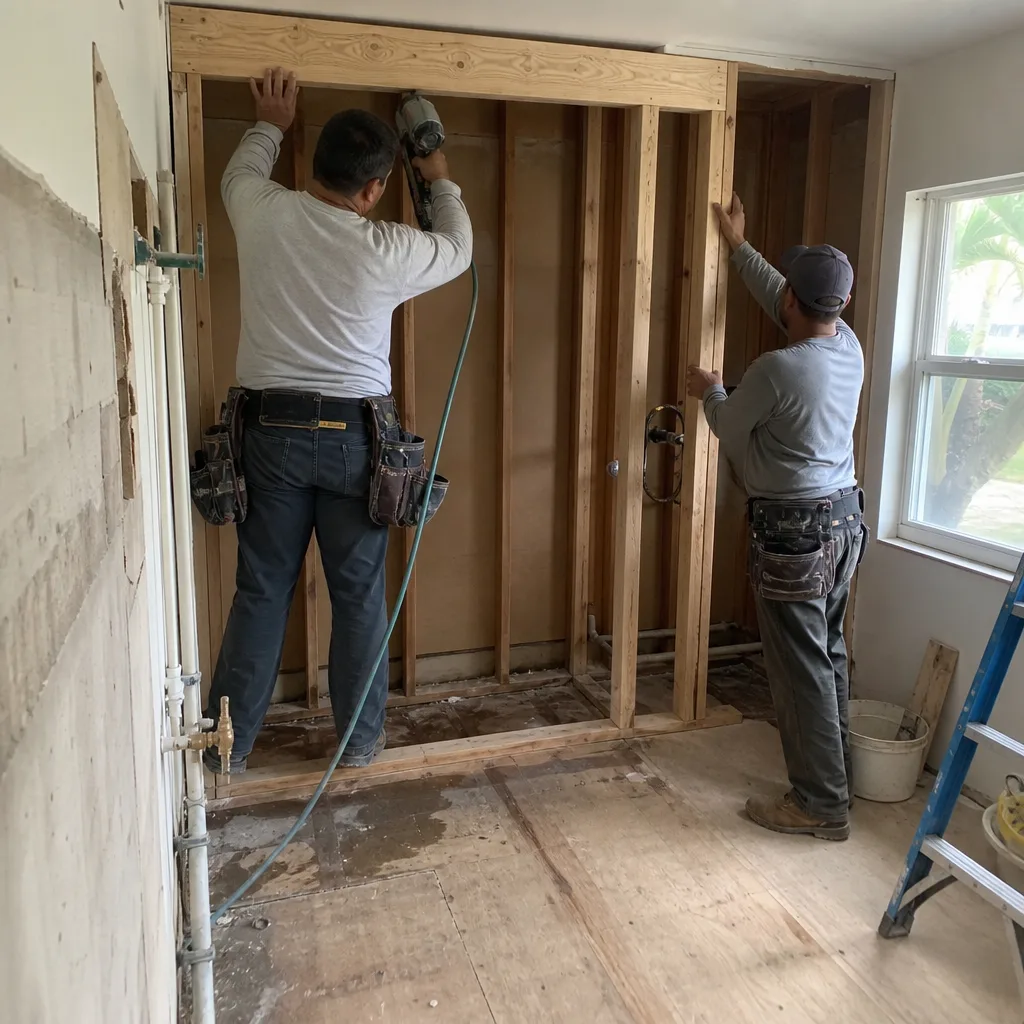
Call a licensed contractor when work involves roof access, structural connectors, electrical components (including generator transfer switches), or when the repair scope exceeds your documentation confidence. In Fort Lauderdale, any work that affects the building envelope - roof, windows, stucco, doors - requires permit awareness even if a full permit isn’t triggered; see Construction Permits, Codes & Inspections in FL: What You Need to Know for specifics.
Specific scenarios that warrant professional assessment: water staining that reappears after repair (indicating missed source), any roof condition in a home with a mortgage or insurance windstorm inspection requirement, stucco cracks wider than 1/8 inch or with displacement (step cracking), and any condition affecting impact-rated window or door performance.
Rowan Construction Group Fort Lauderdale offers free estimates in Fort Lauderdale - call (754) 254-7676 - and publishes more guides & resources for local homeowners. Every estimate includes a written price before any work starts, a documented photo record, and the 365-Day Done Right Promise backed by The Haven Standard. We also provide free second opinions on any written estimate from another contractor.
Frequently Asked Questions
For a typical 2,000 square foot home, proactive seasonal maintenance ranges from $800-$2,500 annually depending on home age, proximity to the coast, and prior maintenance history. This covers selective tasks from the dry-season list - not every item every year. Call (754) 254-7676 for a written estimate specific to your home’s condition.
Roof flashing re-sealing and stucco crack injection are the highest-impact pre-wet-season tasks in Fort Lauderdale. Together they address the two most common water intrusion paths we document in Broward County claims. Both are dry-season-only work because sealants require 24-48 hours of dry conditions to cure properly.
Impact window gaskets and weatherstripping should be inspected annually, ideally in March or April before wet season stress. The salt-air environment hardens EPDM and silicone faster than inland climates. PGT and CGI both recommend annual inspection of operable units; fixed units can be biennial if no prior issues exist.
Under Clause 1 of the Haven Standard, the price is written before anyone starts. No change proceeds without a signed change order. This discipline has kept Rowan’s projects within a few percent of the agreed cost across 4,000-plus jobs since 2007. If we find concealed damage during maintenance work, we document it, stop, and provide a written change order with photos before proceeding.
Most seasonal maintenance - stucco repair, flashing seal, gasket replacement - does not require a permit in Fort Lauderdale. Work that affects structural components, roof sheathing, or electrical systems does. We pull permits when required and include the cost in the written quote. Every permit application and inspection is documented in your project file.
Maintain a digital folder with dated photos, contractor invoices with scope descriptions, and product specifications. For maximum value, request the documented photo record that we include as standard on every Rowan visit - geotagged, time-stamped, and delivered in a shareable format. This documentation demonstrates due diligence to insurers and buyers in Fort Lauderdale’s high-velocity hurricane zone.
The Bottom Line
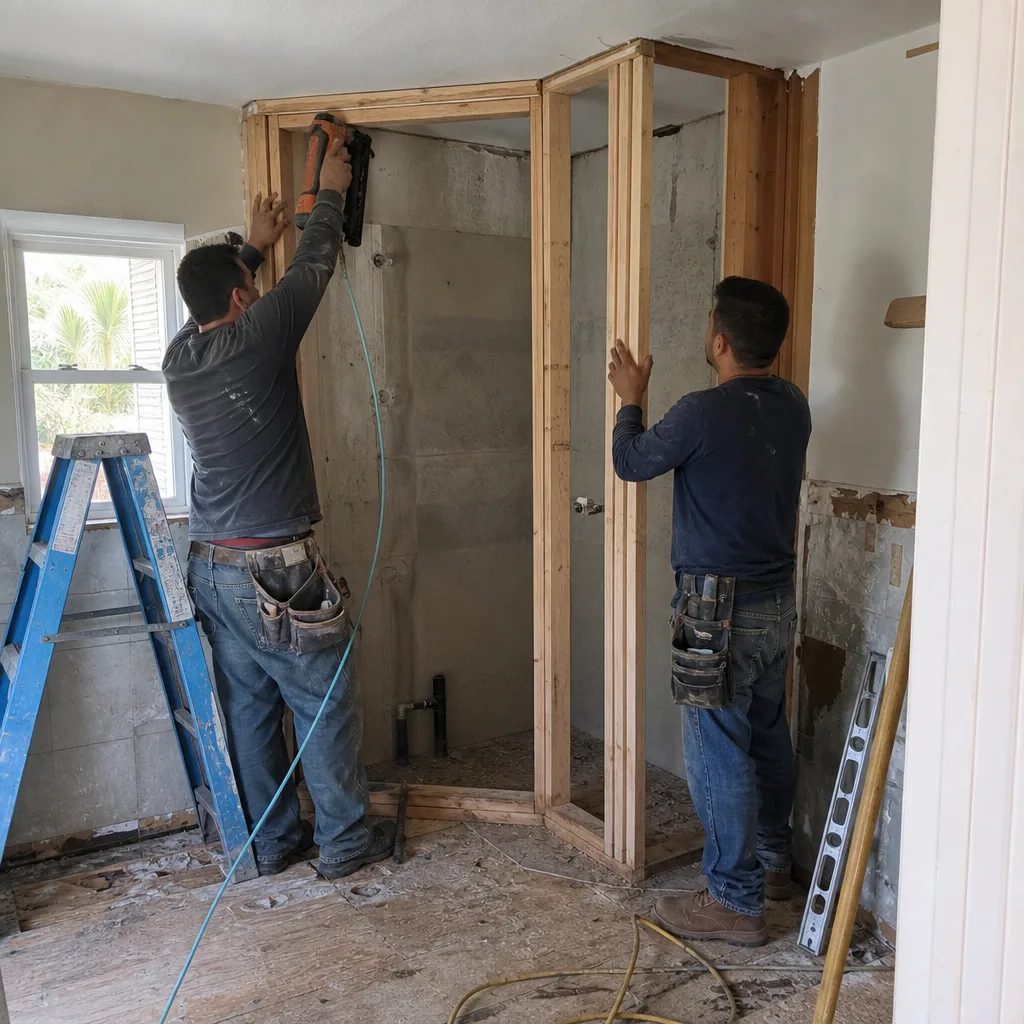
Fort Lauderdale’s construction calendar has two seasons: dry, when you repair and prepare, and wet, when you observe and document. The homeowners who thrive here treat this cycle as discipline, not emergency response. Annual proactive maintenance of $800-$2,500 prevents the $18,000 average water-intrusion claim in Broward County and preserves the value of improvements like Kitchen Remodeling in Fort Lauderdale and Bathroom Remodeling in Fort Lauderdale that represent significant investment.
The materials exist, the protocols are established, and the cost difference between proactive and reactive is documented. What remains is the decision to schedule the work before the rain starts.
Call (754) 254-7676 to schedule your free estimate. We’ll provide a written price before any work starts, a documented photo record of every finding, and the 365-Day Done Right Promise on every task. Bring a competitor’s written estimate and we’ll review it line by line at no charge.
Written by Grant Rowan, Owner at Rowan Construction Group Fort Lauderdale, serving Fort Lauderdale since 2007.