
Last updated September 25, 2026
Free written scope consultation - allowances, timeline, and change-order rules on paper before a single trade is scheduled
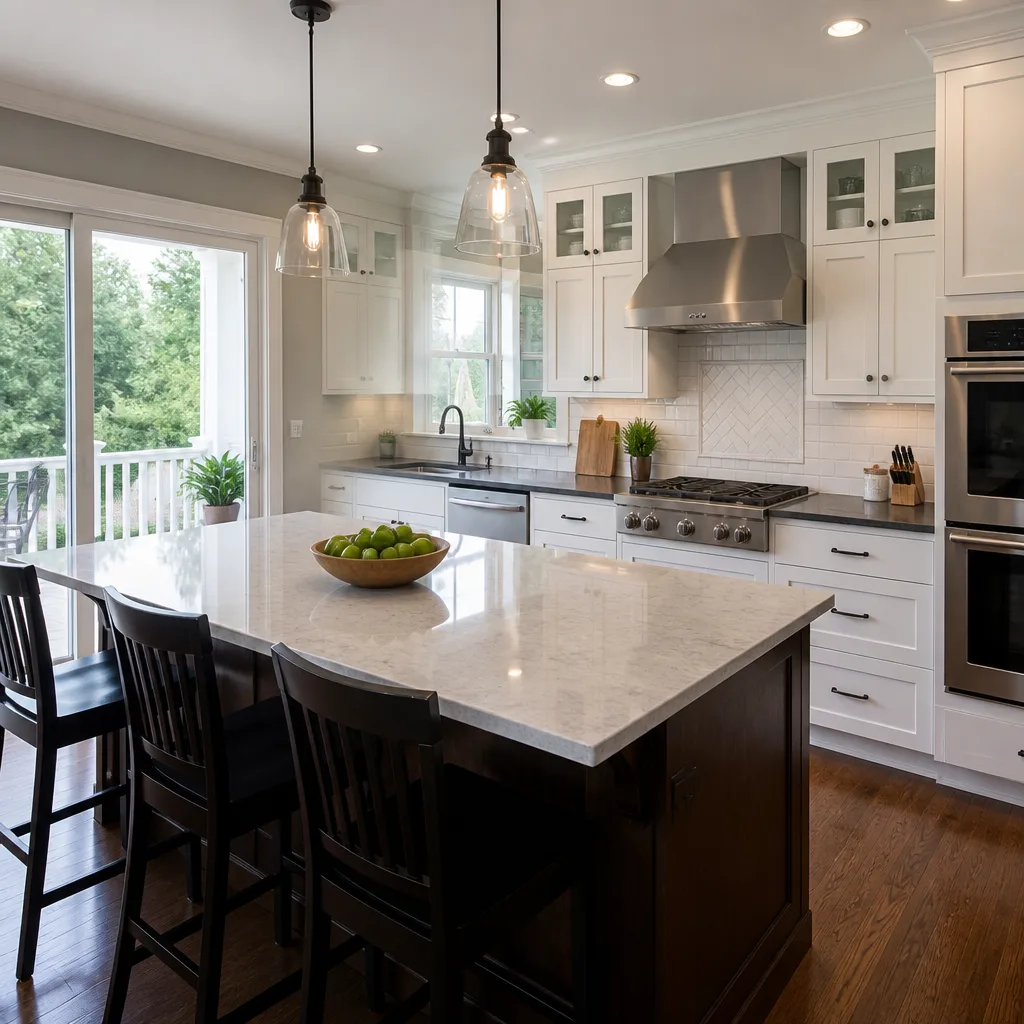
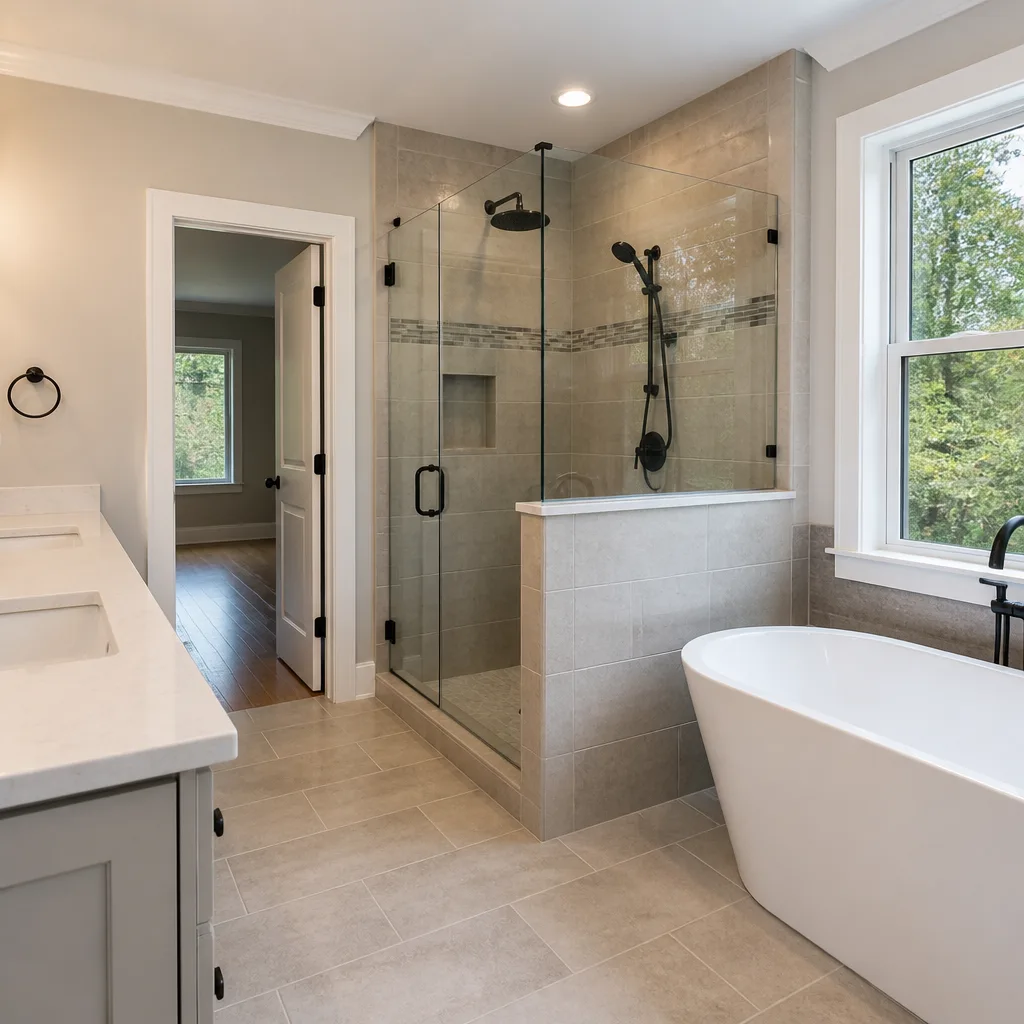
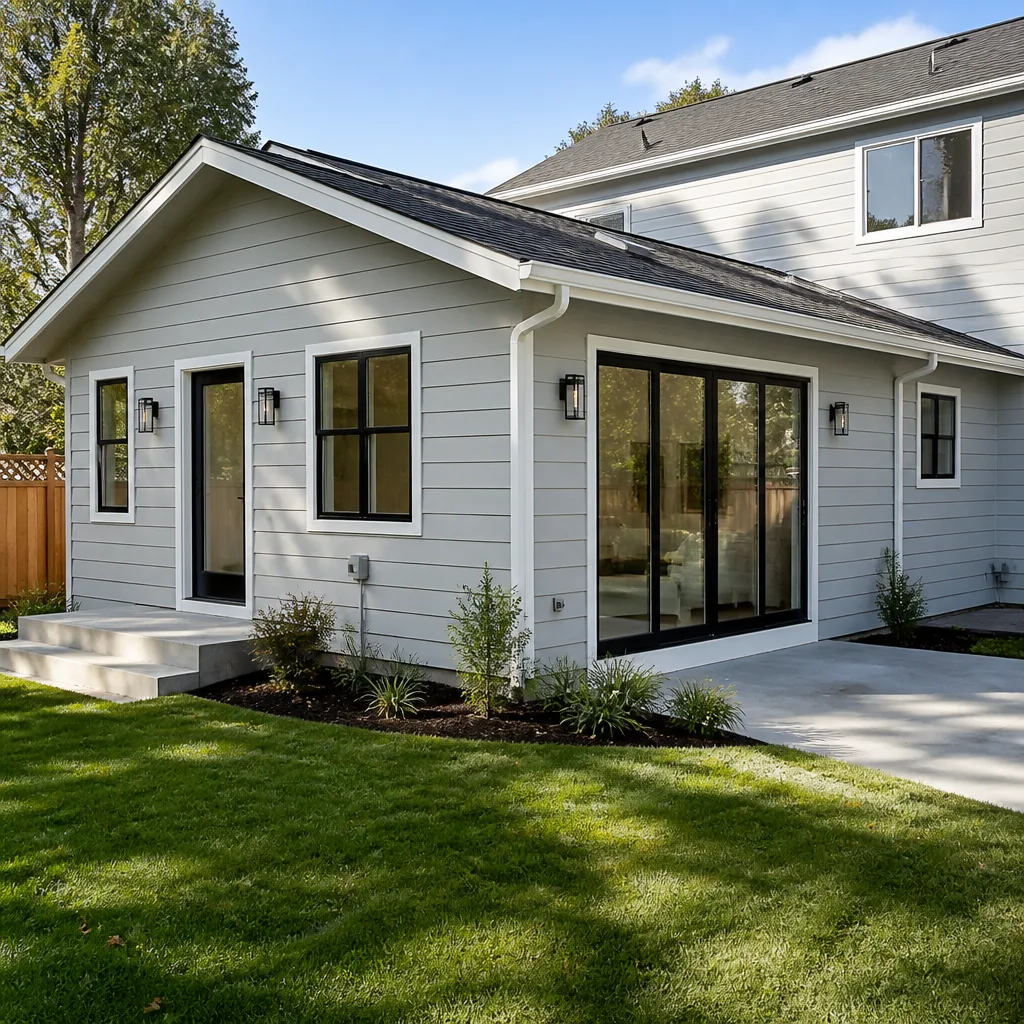

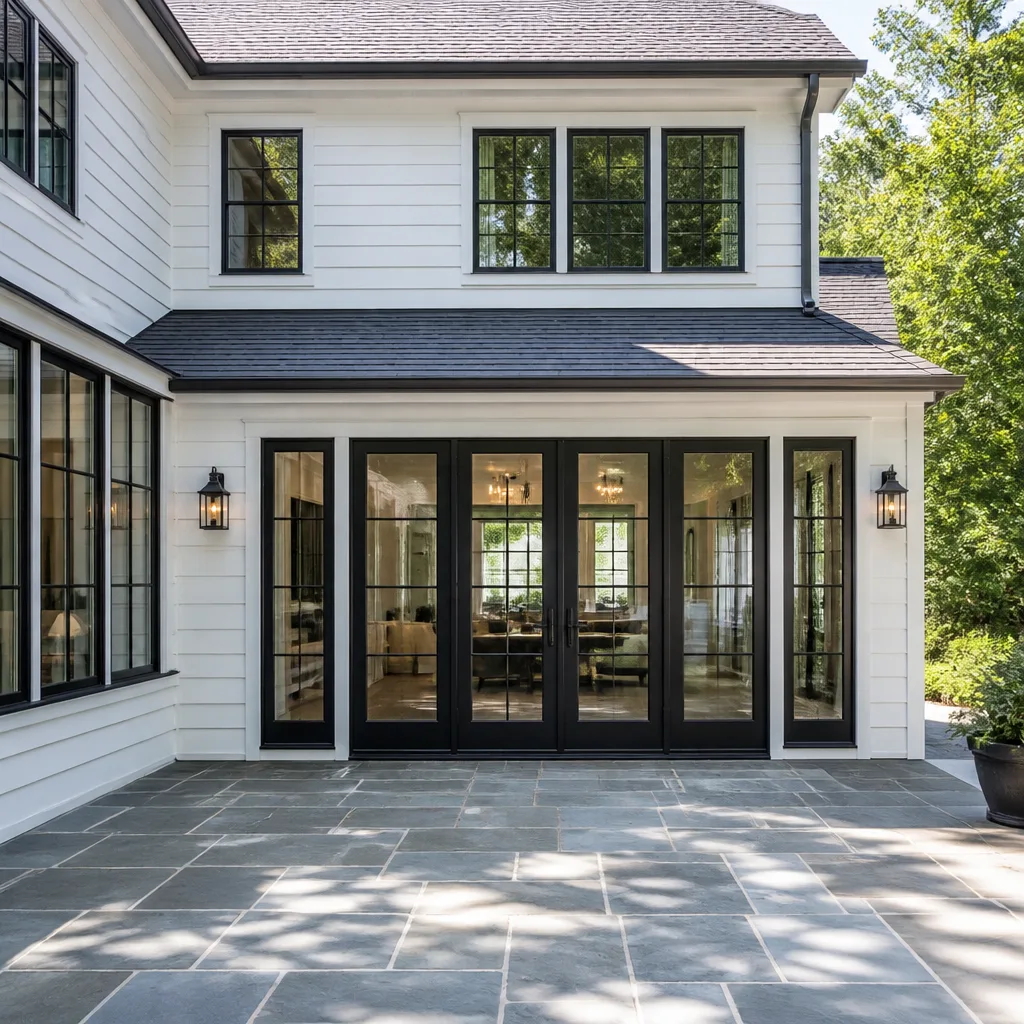
 Before
 After
After Before
 After
After Before
 After
AfterHow to Hire a Construction Contractor in Fort Lauderdale: A Step-by-Step Guide
A 2023 consumer complaint analysis by the Florida Department of Business and Professional Regulation (DBPR) showed that unlicensed contractor complaints in Broward County increased 22% year-over-year - and the majority of complaints involved written contracts that appeared legitimate but omitted license numbers verifiable through the state’s online lookup. In Fort Lauderdale, where coastal building codes, hurricane-impact requirements, and Broward County’s amended Florida Building Code create a layered compliance environment, the difference between a good hire and an expensive mistake often comes down to what you know to check before signing. This guide walks through the specific verification steps, bid-reading techniques, and contract clauses that protect homeowners in this market, and you can explore The Complete Guide to Construction in Fort Lauderdale for a broader overview of the process.
Quick Answer
To hire a construction contractor in Fort Lauderdale, verify the license on myfloridalicense.com (active status, current insurance, and trade-specific endorsements), request a written bid with seven separate line items including permit fees and debris removal, confirm general liability coverage with your project address added as additional insured, and require a signed change-order clause before work begins. These four steps eliminate most of the cost overruns and compliance failures we see in Broward County residential projects.
Table of Contents
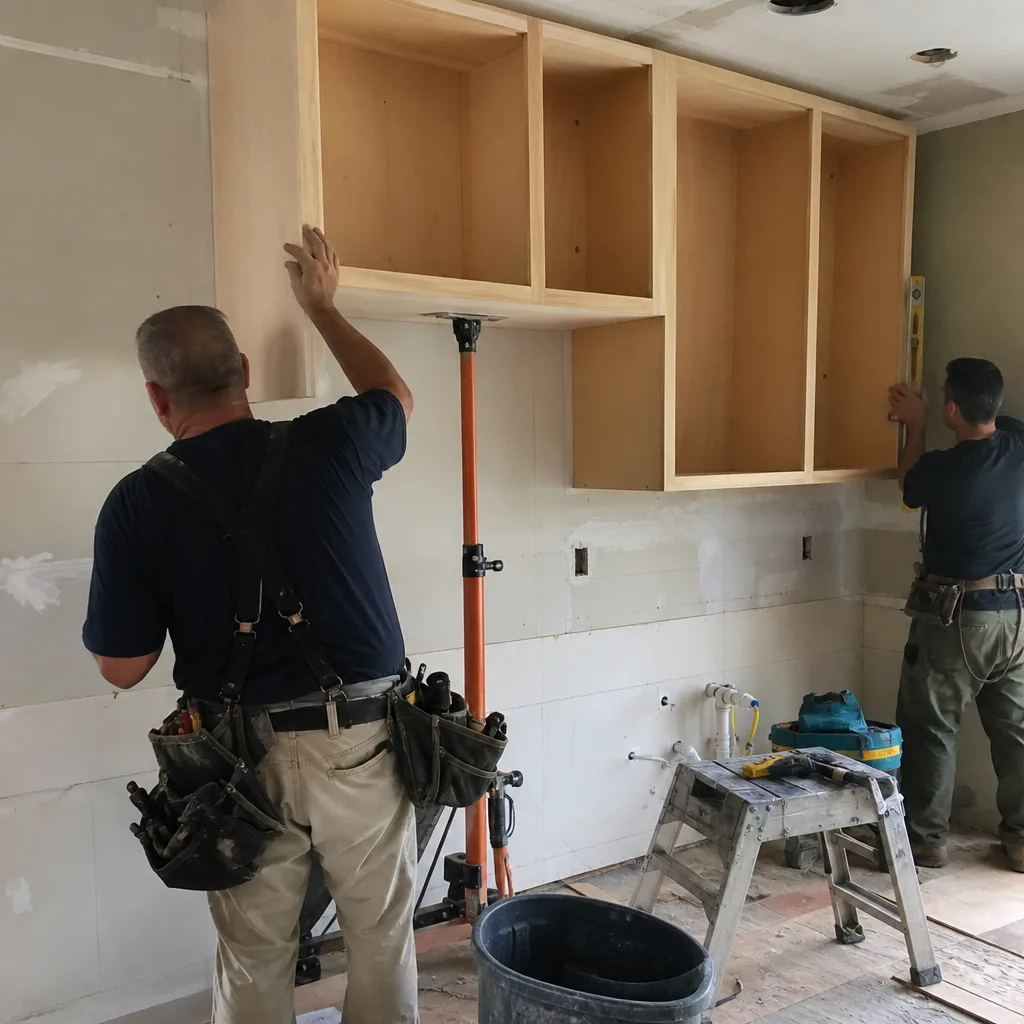
- How to Verify a Florida Contractor License in Under 90 Seconds
- The Line-by-Line Bid Comparison Framework
- How to Read a Certificate of Insurance
- The Signed Change-Order Requirement
- Interview Questions That Reveal Scheduling Reliability
- Fort Lauderdale-Specific Building Considerations
- Common Mistakes to Avoid
- When to Call a Professional
- Frequently Asked Questions
 Before
 After
AfterHow to Verify a Florida Contractor License in Under 90 Seconds
Florida’s myfloridalicense.com portal is the only verification source that matters. Here’s the exact process:
- Navigate to myfloridalicense.com and select “Verify a License.”
- Enter the contractor’s name or license number. Certified general contractors in Florida hold a CGC number; residential contractors hold a CRC.
- Check the “Status” field. It must read “Current/Active.” Any other status - delinquent, inactive, or pending - means no work should proceed.
- Scroll to “Insurance/Bond” and confirm general liability and workers’ compensation are current. Note the expiration dates.
- Click “View Additional Qualifier Information” to see the qualifier’s name. This is the person who passed the state exam and is legally responsible for the work. Verify this person is still affiliated with the company.
For Fort Lauderdale projects, secondary endorsements matter. A general contractor can legally supervise roofing, but Broward County requires a roofing contractor’s license (CCC or CRC with roofing endorsement) for permits on re-roofs over 25% of the roof area. Window and door replacement in the coastal high-velocity hurricane zone requires impact-rated products and installation by a contractor with glazing or general certification who has pulled permits in Broward’s HVHZ before. If you’re in Harbor Beach, Las Olas Isles, or any waterfront neighborhood east of Federal Highway, your project likely falls under these stricter requirements.
We check every subcontractor’s license status before they arrive on a Roofing in Fort Lauderdale project or any trade we manage. The qualifier’s name on the permit must match the qualifier on the insurance certificate. A mismatch is more common than homeowners expect, and it voids coverage if a claim arises.
The Line-by-Line Bid Comparison Framework
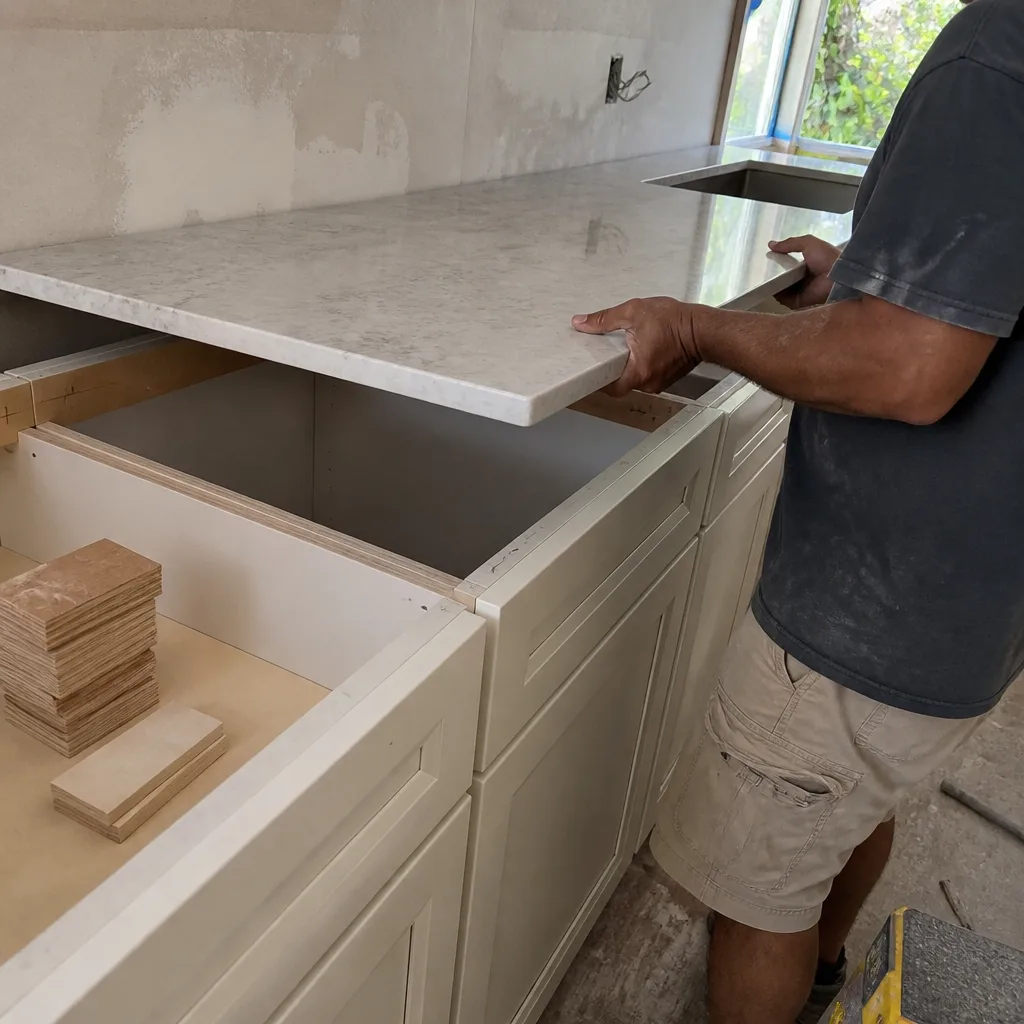
Every hiring guide tells you to get three bids. Almost none tell you what to read inside them. In Fort Lauderdale, we’ve reviewed competitor quotes for Kitchen Remodeling in Fort Lauderdale projects where two proposals for identical scope differed by $40,000. The gap came from what each contractor chose to include.
Here are the seven line items legitimate Fort Lauderdale bids must show separately:
| Line Item | What It Covers | Typical Range in Fort Lauderdale |
|---|---|---|
| Permit fees | Broward County building permit, plan review, and impact fees | $450-$2,800 depending on project value |
| Inspection costs | Required inspections (rough, final, etc.) and re-inspection fees | $85-$200 per inspection |
| Debris removal | Dumpster rental, hauling, disposal at Broward County facilities | $350-$950 per load |
| Material allowances | Specific dollar amounts for cabinets, countertops, fixtures, etc. | Varies by grade; must be itemized |
| Labor by trade | Separate line for each licensed trade (electrical, plumbing, etc.) | Should show hourly or flat rate per trade |
| Change-order terms | Written process, pricing method, and signature requirement | Flat fee or time-and-materials with cap |
| Payment schedule tied to milestones | Specific completion criteria, not calendar dates | Typically 10% deposit, 25% at rough, balance at final |
A bid that rolls these into a single “project cost” figure is not necessarily dishonest, but it is not comparable to a bid that breaks them out. The rolled bid often excludes permit fees the homeowner discovers after signing, or it inflates material allowances to cover unknown labor costs.
Under Clause 1 of the Haven Standard, Rowan Construction Group delivers a written price before any work starts, every time. That price includes all seven line items, with brand-specific material allowances - KraftMaid or Wellborn for cabinets, Cambria or Caesarstone for countertops - so the number is based on actual supplier pricing, not a placeholder that shifts later.
How to Read a Certificate of Insurance
A certificate of insurance (COI) is a single-page summary, not the full policy. Here’s what to verify:
- General liability coverage is current. Check the effective and expiration dates. Coverage must span your entire project duration plus a buffer for punch-list work.
- The named insured matches the contracting entity. If the COI names “John Smith Construction LLC” but your contract is with “John Smith Construction Inc.,” that’s a mismatch.
- Your project address can be added as additional insured. Request this in writing before work begins. It costs the contractor nothing and ensures their policy responds to claims arising from your specific property.
- Coverage limits meet Broward County’s recommendation for residential projects over $50,000. The county recommends minimum $1 million per occurrence and $2 million aggregate for projects in this range. Waterfront properties in Fort Lauderdale’s A or V flood zones should require higher limits.
Workers’ compensation is mandatory in Florida for construction businesses with one or more employees. If the COI shows no workers’ comp, verify whether the contractor uses only statutory non-construction employees (rare) or is operating illegally. An uninsured worker injured on your property can file a claim against your homeowner’s policy.
We provide our COI on request, with the project address added as additional insured before the first crew arrives. The certificate number is cross-referenced against our policy declarations page, which we keep on file.
The Signed Change-Order Requirement
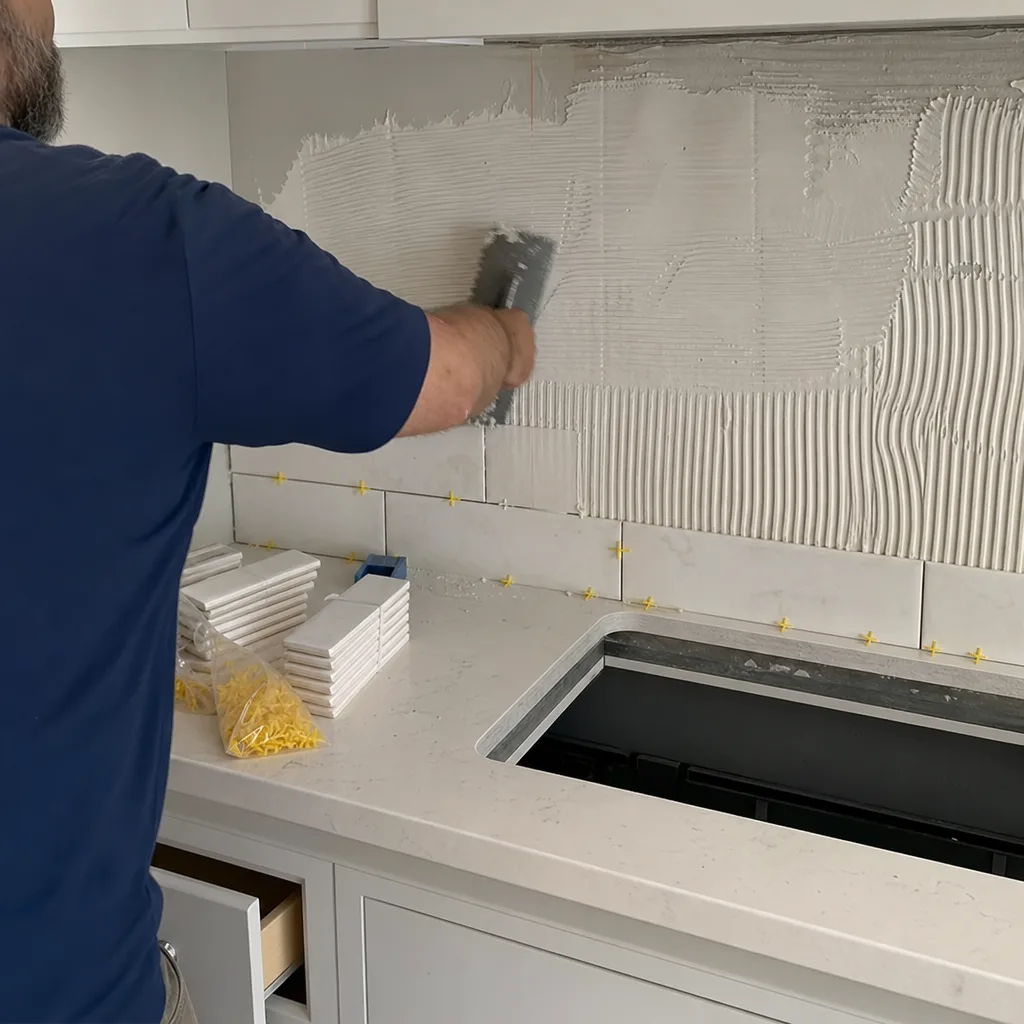
Florida’s Construction Lien Law (Chapter 713) does not require written change orders. This is the single most expensive gap in Florida residential contracting.
A change order is any modification to the original scope, price, or timeline. Without a signed document, the contractor can perform additional work and bill for it later, or the homeowner can dispute whether the work was authorized. In either case, the project stalls and costs escalate.
The exact language to require in your contract:
“No work shall proceed on any change to the original scope, price, or schedule until both parties have signed a written change order describing the change, the adjusted price, and any schedule impact. Verbal authorizations, email approvals, or text messages shall not constitute valid change orders.”
This clause protects both parties. For the homeowner, it prevents surprise charges. For the contractor, it prevents scope creep without compensation.
At Rowan Construction Group, no change proceeds without a signed change order. This is the administrative discipline Haven acquired us for, and it is why our projects finish within a few percent of the agreed price across 4,000-plus jobs since 2007. The change order is printed, signed by both parties, and scanned into the project file before any crew member adjusts their work.
Interview Questions That Reveal Scheduling Reliability
Most homeowners ask about price and timeline. Few ask the questions that predict whether the timeline will hold. Here are three that separate reliable contractors from optimistic ones:
- “How many active projects are you running simultaneously, and who supervises each one?” A solo contractor with twelve active projects is stretched thin. Look for a dedicated project supervisor with a load of four to six projects, depending on complexity. Ask for that supervisor’s name and cell number before signing.
- “How do you schedule subcontractors, and what is your backup if one fails to show?” In Fort Lauderdale, electrician and plumber availability fluctuates with the snowbird season and hurricane-recovery demand. A contractor with two or three vetted subcontractors per trade, pre-scheduled with buffer days, is prepared. A contractor who “calls someone when we need them” is not.
- “What is your defined response time for inspection holds?” Broward County inspectors can flag issues that halt work until corrected. The contractor should commit to a specific response time - 24 hours for critical holds, 48 hours for minor corrections - with a named person responsible for re-scheduling the inspection.
Document the answers. A contractor who won’t put scheduling commitments in writing is unlikely to meet verbal ones.
Our crews are background-checked and uniformed, with a live person answering calls 24/7. The documented photo record on every visit - included as standard, not an upgrade - shows you what was found and what was done, with timestamps, so inspection holds are addressed with evidence, not argument.
Fort Lauderdale-Specific Building Considerations
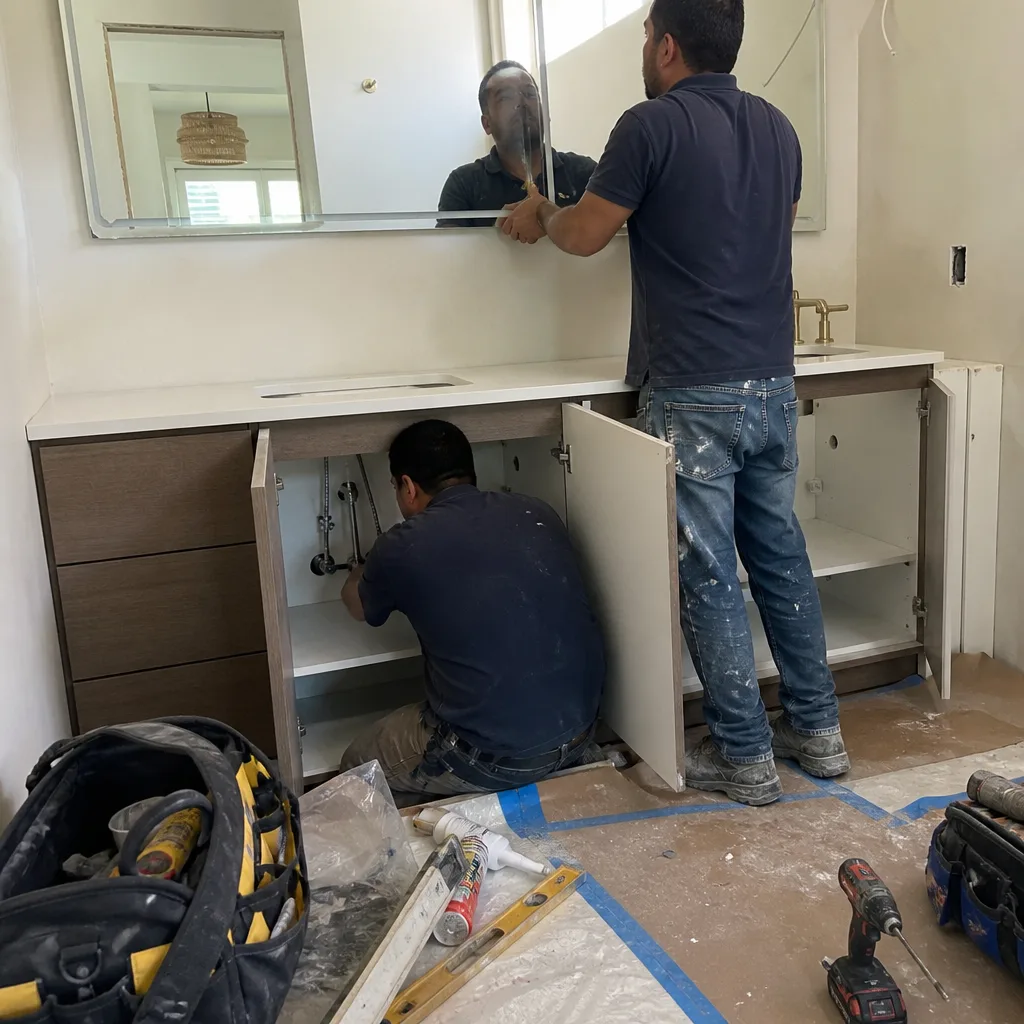
Fort Lauderdale’s building environment differs from Orlando, Tampa, or Miami-Dade in specific ways that affect contractor selection, as detailed in our Seasonal Construction Care for Fort Lauderdale: Year-Round Homeowner’s Guide:
Coastal High-Velocity Hurricane Zone (HVHZ): East of Federal Highway, including neighborhoods like Coral Ridge, Lauderdale-by-the-Sea, and parts of Victoria Park, wind-borne debris requirements apply. Impact-rated windows and doors are mandatory for replacement, not optional upgrades. Permits in these zones require HVHZ-specific product approvals and installation details. A contractor unfamiliar with Miami-Dade County Notice of Acceptance (NOA) documentation will delay your permit.
Flood zones and elevation: Fort Lauderdale’s FEMA flood maps place significant areas in AE, AH, and VE zones. Any substantial improvement - defined as work costing 50% or more of the structure’s market value - triggers elevation requirements. A contractor who doesn’t verify your flood zone before bidding is planning to discover it at permit review.
Soil and foundation conditions: The coastal sands and high water table in Fort Lauderdale affect foundation work, pool construction, and any below-grade addition. Soil borings may be required for home additions or ADUs in areas with organic fill. This is not a line item to omit from a bid.
Neighborhood-specific HOA requirements: Gated communities like Harbor Beach, Riviera Isles, and Seven Isles have architectural review boards with their own contractor insurance requirements, work-hour restrictions, and material specifications. A contractor who has worked in your specific neighborhood before knows the approval timeline and can build it into the schedule.
Debris disposal constraints: Broward County’s waste facilities have specific hours and material restrictions. Concrete, tile, and roofing debris require separate handling. A bid that lists “debris removal” without specifying disposal method and cost is incomplete.
We’ve delivered projects across Fort Lauderdale’s full range of zoning conditions, from Las Olas Isles waterfront homes to Victoria Park bungalows. The written quote reflects these conditions specifically, not a generic South Florida assumption.
Common Mistakes to Avoid
- Hiring based on the lowest bid without line-item comparison. A $40,000 gap between bids often means one contractor excluded mandatory costs. The low bid is not the cheap bid if it grows by $25,000 in change orders.
- Accepting “permit fees to be determined” or “TBD” in a contract. Broward County publishes fee schedules. A contractor who won’t estimate permit costs hasn’t pulled enough permits to know.
- Verifying the license once, at signing, and never again. Licenses expire, insurance lapses, and qualifiers change. Re-verify at the start of construction and at any payment milestone.
- Paying more than 10% deposit or $1,000 (whichever is less) before work begins. Florida law limits upfront payment for a reason. A contractor demanding 50% before permit submission is using your money to finance other projects.
- Ignoring the “additional insured” step on the COI. This costs nothing and protects everything. Contractors who resist it often have coverage issues they don’t want exposed.
- Assuming a “licensed and insured” claim in advertising is current. Verify independently. The DBPR portal takes 90 seconds. The Florida CFO’s insurance verification tool takes another 60.
- Starting work before the permit is posted. In Fort Lauderdale, unpermitted work triggers stop-work orders, double permit fees, and potential demolition orders. The permit number must be visible at the job site before demolition or construction begins.
When to Call a Professional
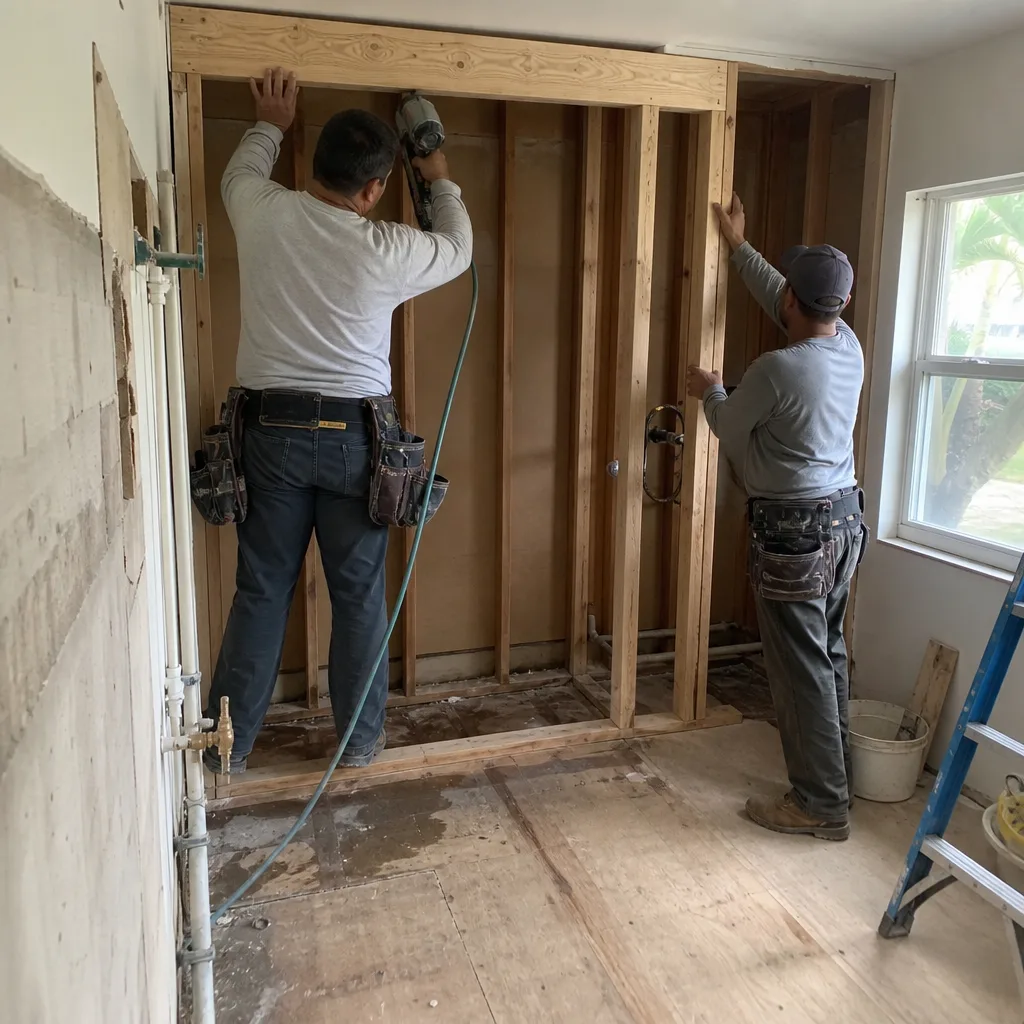
Call a licensed contractor before you sign any agreement, pay any deposit, or remove any structural element. The verification steps in this guide take under an hour and can prevent months of dispute. If you’ve received a bid you’re unsure about, Rowan Construction Group Fort Lauderdale offers a Free Second Opinion on any written estimate - we’ll review it line by line at no charge, comparing the line items against what Broward County and the Florida Building Code require for your specific project type.
For homeowners considering Bathroom Remodeling in Fort Lauderdale, kitchen updates, roofing, windows and doors, or home additions including ADUs, a written price before any work starts is the starting point, not the finish line. Call (754) 254-7676 to schedule your free estimate.
Frequently Asked Questions
Project costs vary widely by scope, but legitimate bids in Fort Lauderdale should show permit fees of $450-$2,800, inspection costs of $85-$200 per visit, and debris removal of $350-$950 per load, in addition to labor and materials. A kitchen remodel typically ranges from $35,000 to $85,000 depending on cabinet grade, countertop material, and whether walls are moved; see our Kitchen Remodeling Maintenance Checklist for Fort Lauderdale Homeowners for long-term care after your project is complete. Call (754) 254-7676 for a written line-item quote specific to your project - estimates are free.
Go to myfloridalicense.com, select “Verify a License,” enter the contractor’s name or license number, and confirm the status reads “Current/Active.” Check that general liability and workers’ compensation insurance are current, and verify the qualifier listed is still affiliated with the company. This takes under 90 seconds.
General liability, workers’ compensation (if they have employees), and vehicle coverage for company trucks. For residential projects over $50,000, Broward County recommends minimum $1 million per occurrence and $2 million aggregate. Request that your project address be added as additional insured on the general liability policy before work begins.
It shouldn’t, if your contract requires signed change orders for any scope, price, or schedule modification. Without that clause, price changes are common. Under the Haven Standard, Rowan Construction Group delivers a flat written price before work starts, and no change proceeds without a signed change order - the discipline that has kept projects within a few percent of the agreed cost since 2007.
Most structural, electrical, plumbing, and roofing work requires a permit from Broward County. Cosmetic work like painting, flooring replacement, and cabinet refacing typically does not. When in doubt, check with Broward County’s Building Code Division or ask your contractor to provide the specific permit application number before work begins. Starting without a required permit triggers stop-work orders and doubled fees.
A typical kitchen remodel takes 6-10 weeks from permit approval to final inspection, depending on cabinet lead times, specialty-order items, and inspection scheduling. Broward County’s inspection backlog varies seasonally; winter months (December-March) typically have longer waits. A contractor who builds realistic inspection timelines into the schedule, rather than promising calendar dates, is being honest.
The Bottom Line
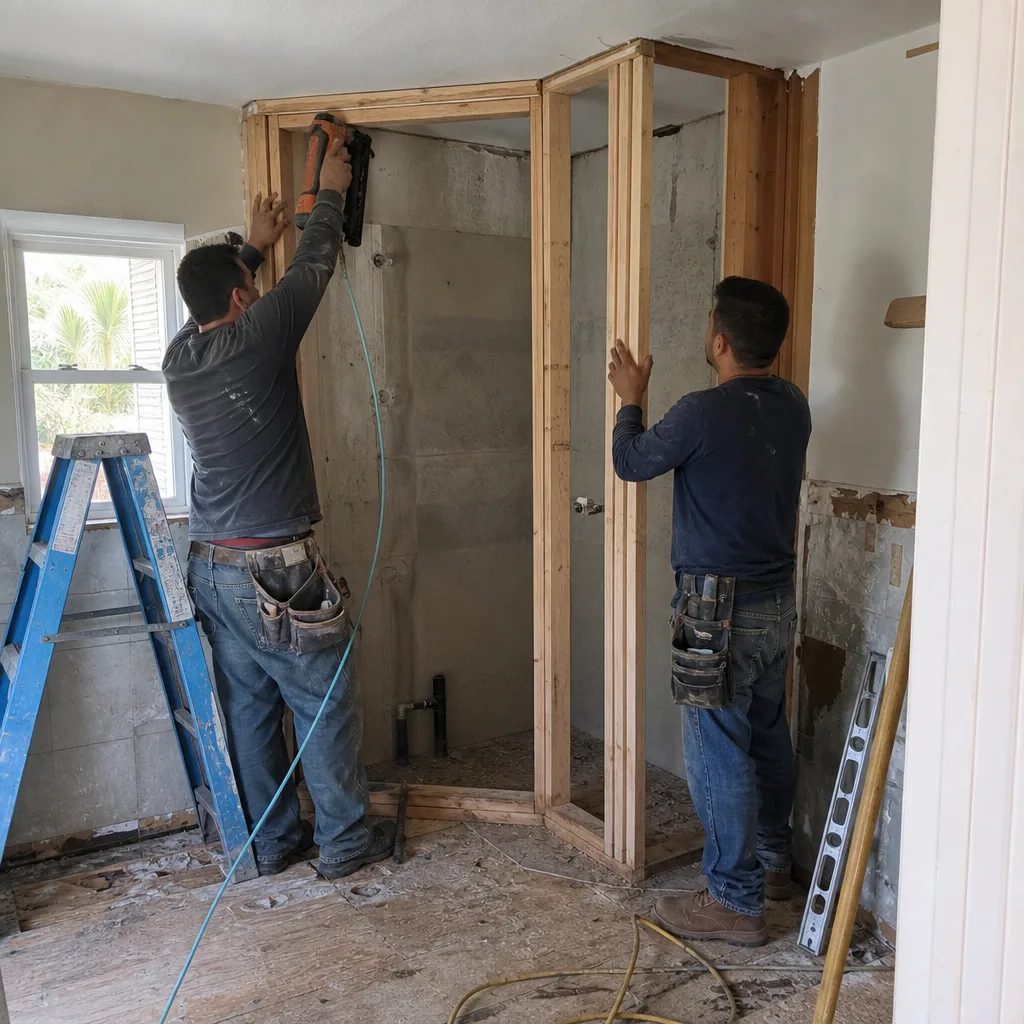
Hiring a construction contractor in Fort Lauderdale is not about collecting bids. It is about reading them. Verify the license independently. Demand seven separate line items. Confirm insurance with your address added. Require signed change orders. Ask scheduling questions that reveal capacity, not optimism. These steps take time upfront and save months of dispute. The contractors who welcome this scrutiny are the ones who’ve done the work before and can show you the documentation to prove it.
Written by Grant Rowan, Owner at Rowan Construction Group Fort Lauderdale, serving Fort Lauderdale since 2007.