
Last updated September 25, 2026
Free written scope consultation - allowances, timeline, and change-order rules on paper before a single trade is scheduled
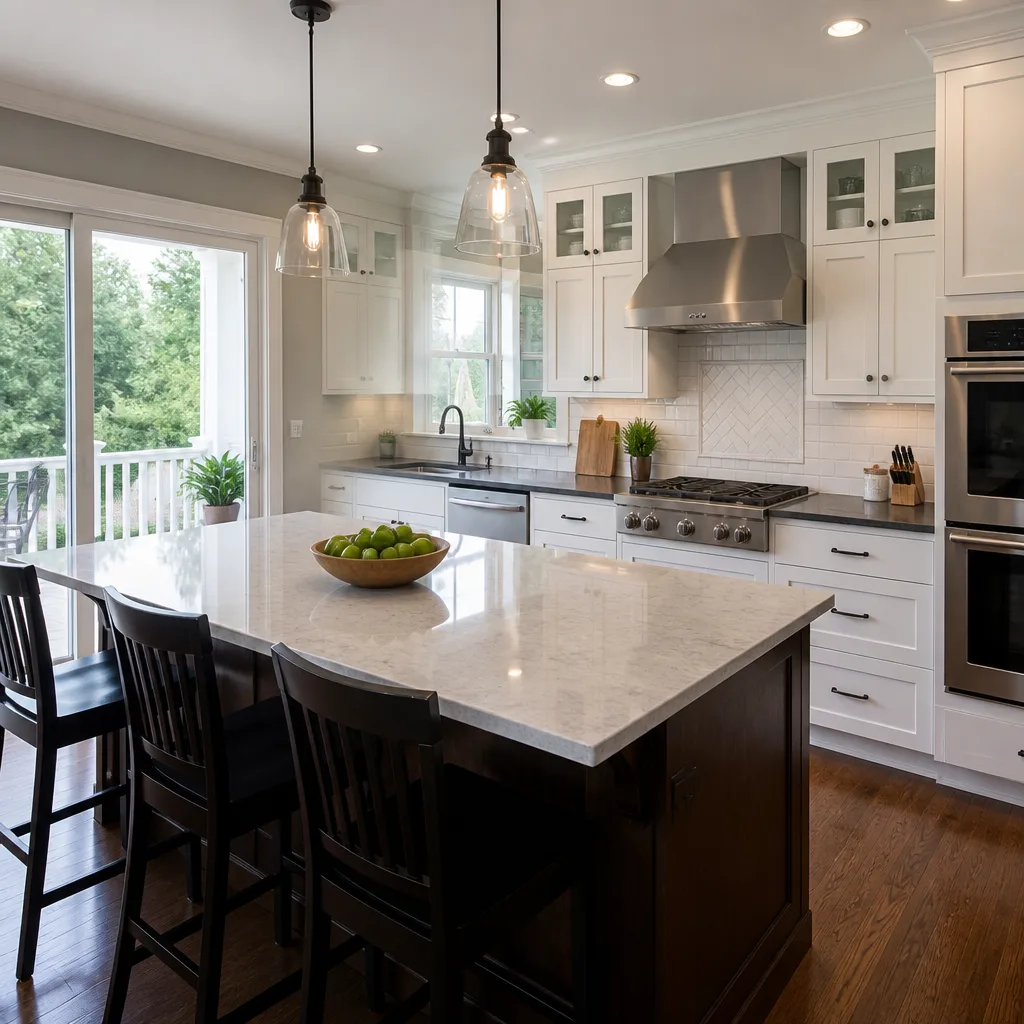
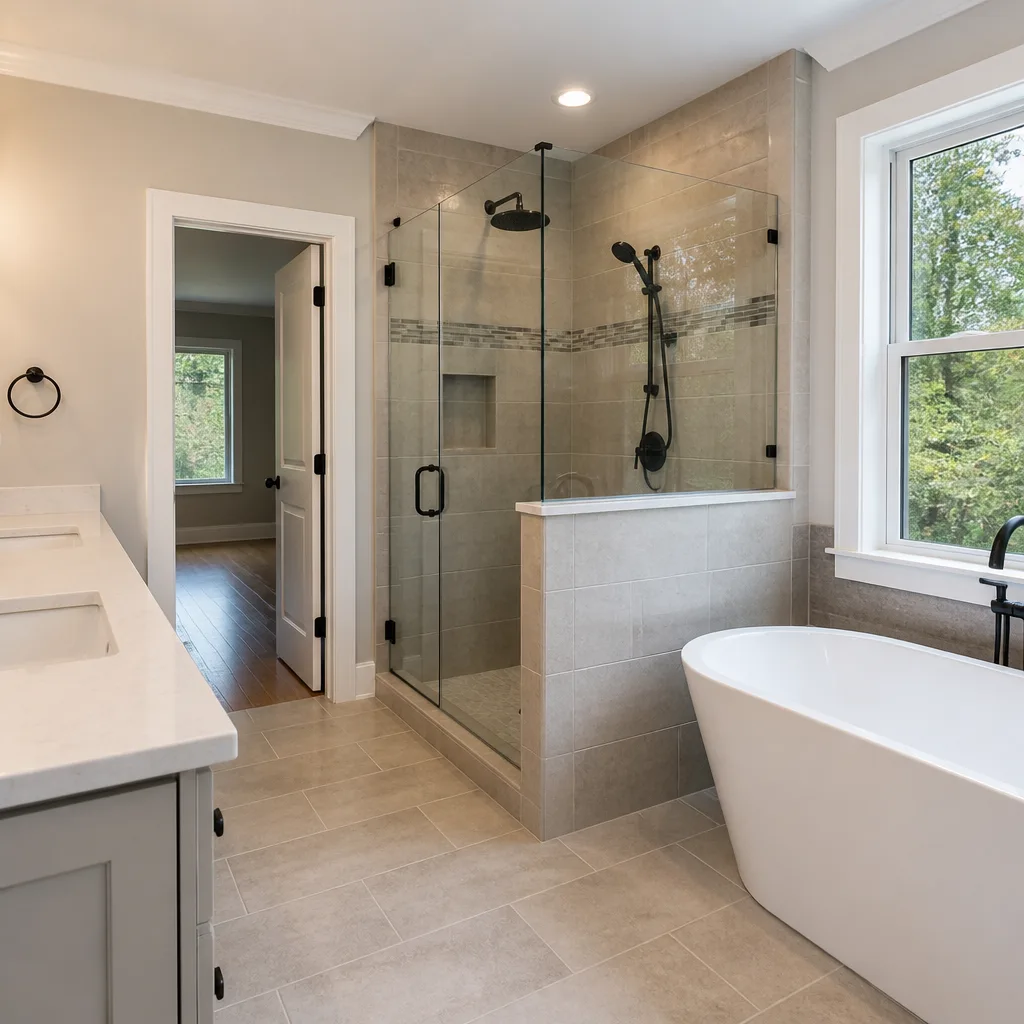
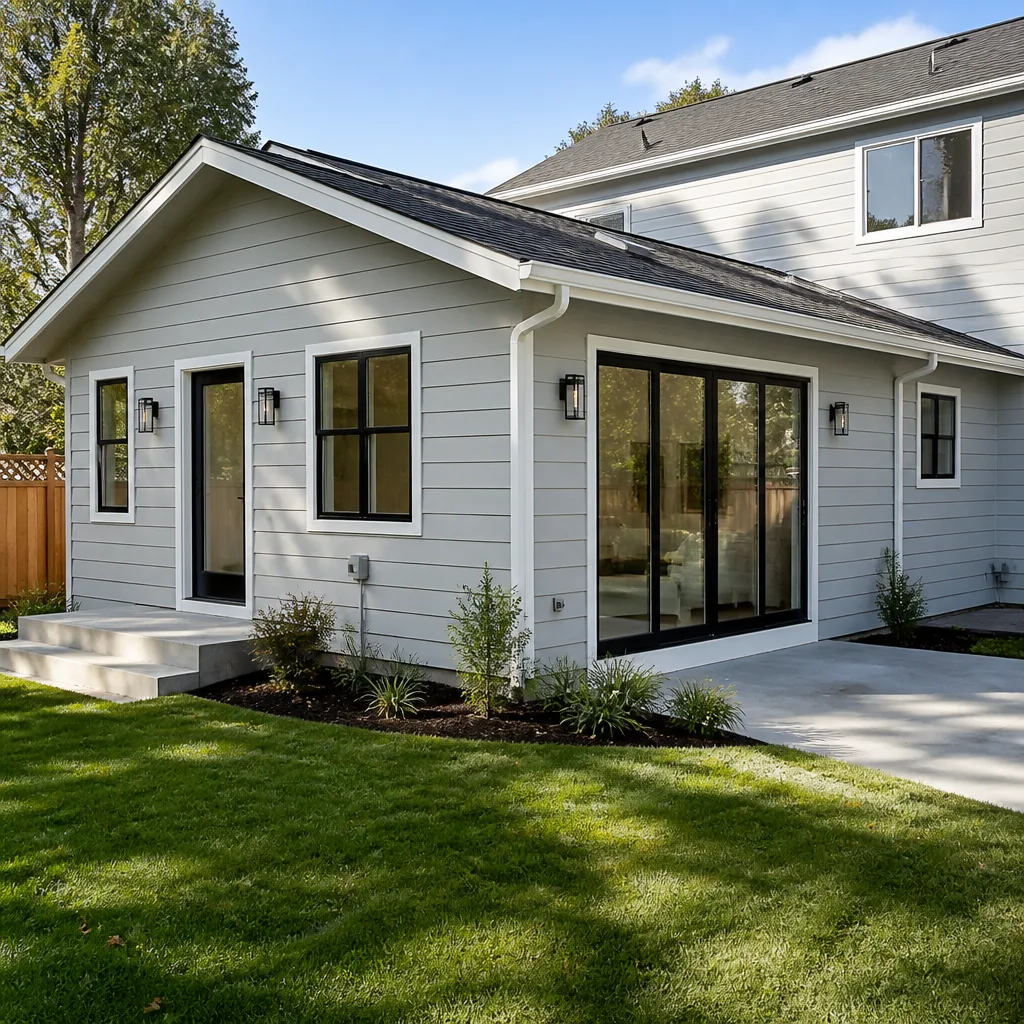

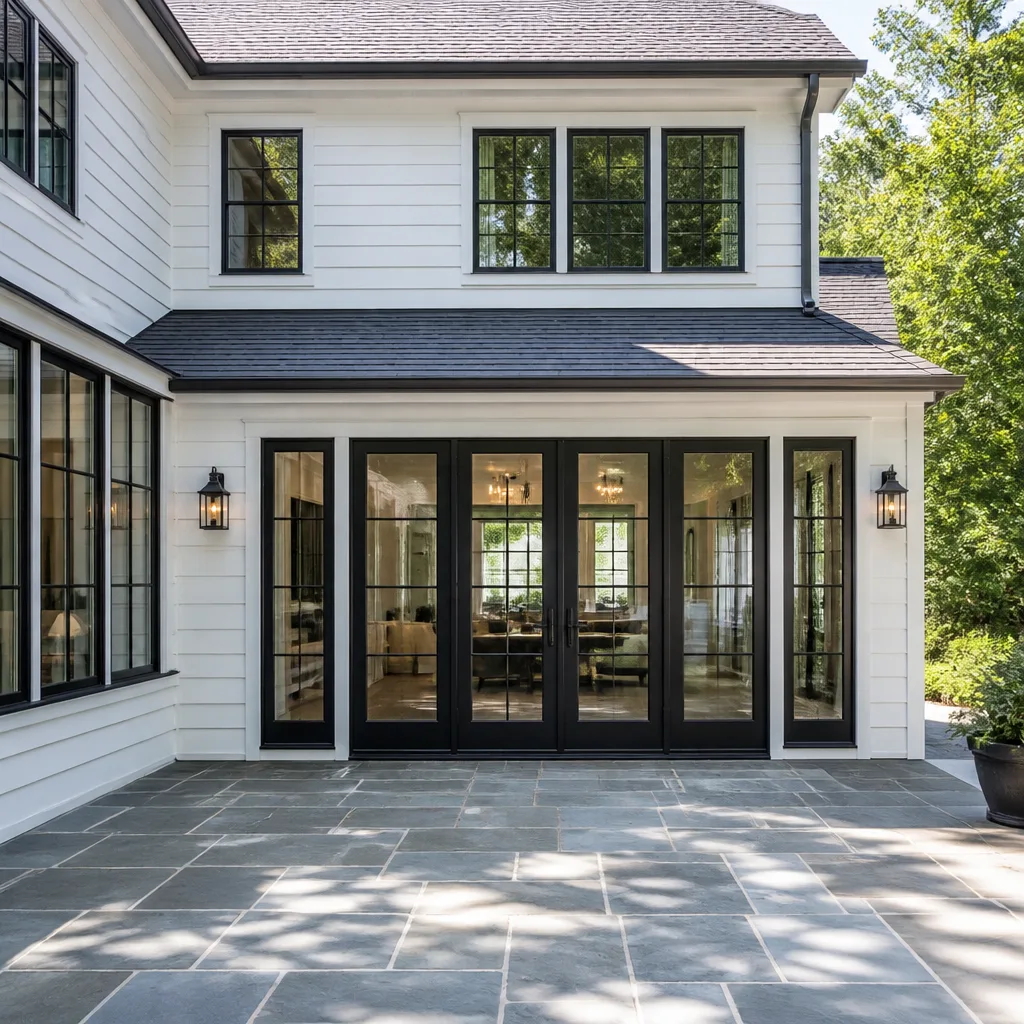
 Before
 After
After Before
 After
After Before
 After
AfterConstruction Warning Signs: A Fort Lauderdale Homeowner’s Reference Guide
Florida’s DBPR disciplinary records show that in Broward County, the top three triggers for contractor license suspension between 2020 and 2024 were abandonment of contract, failure to obtain required permits, and misappropriation of deposit funds. None of these failures announce themselves with pushy sales tactics or unmarked vans. They hide in paperwork that homeowners sign without reading. In Fort Lauderdale, where coastal wind codes, flood-zone requirements, and impact-product approvals add layers of regulatory complexity, the most expensive contractor failures stem from documents, not demeanor. This guide - and our more guides & resources - teach you to read the contract, the permit application, and the insurance certificate before you ever judge the handshake.
Quick Answer
The most dangerous construction warning signs in Fort Lauderdale appear in five documents: a contract missing a signed change-order clause, a bid with no permit-fee line item, a payment schedule tied to calendar dates instead of inspection milestones, a certificate of insurance with a coverage lapse date, and material specifications that don’t match Florida Product Approval numbers. Verify these before you verify reviews.
Table of Contents
- The Five Contract Clauses That Predict Disputes
- How to Read Permit Paperwork (and Spot the Fakes)
- Material Substitution Warning Signs
- Subcontractor License Verification
- Payment Schedule Red Flags
- Reading a Certificate of Insurance
- Fort Lauderdale-Specific Code and Climate Risks
- Common Mistakes to Avoid
- When to Call a Professional
- Frequently Asked Questions
 Before
 After
AfterThe Five Contract Clauses That Predict Disputes
Across 4,000-plus projects since 2007, we’ve reviewed competitor contracts brought in for our Free Second Opinion on Any Written Estimate. The same missing clauses appear again and again in disputes that end up at the Broward County Courthouse. Here is what to look for.
1. Signed Change-Order Requirement
A contract without a clause stating that no additional work proceeds without a signed change order is a contract without cost control. Under Clause 1 of the Haven Standard, Rowan Construction Group delivers a written price before any work starts, and no change proceeds without a signed change order - the administrative discipline Haven acquired Rowan for, and the reason our projects finish within a few percent of the agreed cost. If your contract lacks this clause, the contractor can claim you approved a $4,000 framing modification verbally while you remember a hallway conversation about “checking into options.”
2. Payment Schedule Tied to Inspection Milestones
Calendar-date payment schedules (“25% due March 15, 25% due April 1”) reward the contractor for passing time, not passing inspection. A milestone-based schedule ties each payment to a verified event: rough electrical inspection passed, dry-in inspection signed off, final inspection approved. In Fort Lauderdale, where Broward County Building Code inspections can queue for several days after heavy weather, milestone-based schedules protect both parties from cash-flow disputes caused by county scheduling, not contractor performance.
3. Lien Waiver Delivery Tied to Each Payment
Florida’s Construction Lien Law allows subcontractors and suppliers to file liens against your property even if you paid the general contractor in full. The contract should require that you receive a partial lien waiver from the general contractor and all named subcontractors with each payment, and a final lien waiver before the last check clears. Without this clause, you have no mechanism to verify that money you paid reached the plumber who installed your rough-in.
4. Named Subcontractors with License Numbers
A contract that lists only “electrical: TBD” or “plumbing: to be assigned” gives the general contractor freedom to hire unlicensed or uninsured subs. The contract should name each subcontractor trade, the company name, and the Florida DBPR license number. You will verify these in the next section.
5. Defined Substantial Completion Criteria
Florida law defines substantial completion, but many contracts leave the determination to “contractor’s discretion.” The contract should specify objective criteria: final inspection passed, Certificate of Occupancy or Completion issued, punch list items under a dollar threshold (typically $500-$1,000), and all lien waivers delivered. Without this, a contractor can demand final payment while your kitchen remodeling in Fort Lauderdale still lacks installed countertops.
How to Read Permit Paperwork (and Spot the Fakes)
Permit fraud in Broward County takes two forms: contractors who pull no permit at all, and contractors who claim a permit is “in process” indefinitely. Both leave the homeowner exposed to stop-work orders, uninspected work, and resale complications.
The Permit Application Receipt
Within two weeks of contract execution for most Broward County projects, a legitimate contractor should provide a copy of the permit application receipt. This document contains:
- The Broward County E-Permitting system application number (format: PER-YYYY-XXXXXX)
- The property address and owner’s name
- The scope of work as submitted
- The permit fee amount paid or estimated
- The plan review routing (structural, electrical, plumbing, mechanical)
- An estimated review timeline (typically 10-15 business days for residential projects not requiring fire department review)
The 30-Day Rule
If a contractor claims permits are “in process” beyond 30 days without producing documentation, this is a warning sign. Possible explanations include:
- The contractor never applied and is stalling while working illegally.
- The contractor applied but the application was rejected for incomplete plans, and they lack the engineering resources to correct it.
- The contractor’s license is under disciplinary review, freezing their permit privileges.
- The property has a code violation or lien that must be cleared before permitting, and the contractor failed to discover it during due diligence.
You can verify permit status yourself through the Rowan Construction Group Fort Lauderdale home portal recommendations or directly via Broward County’s E-Permitting system using your property address. Do not rely on contractor assurances.
Permit Fee Line Items
A legitimate bid includes permit fees as a line item, not buried in “general conditions” or omitted entirely. For a typical Fort Lauderdale room addition, permit fees run $800-$2,400 depending on valuation. A bid with no permit-fee line item suggests the contractor either plans to skip permitting or will present it as a surprise add-on later. Under Clause 1 of the Haven Standard, our written quotes include permit fees, inspection fees, and impact fees where applicable - every cost that produces a number before work starts.
Material Substitution Warning Signs
Fort Lauderdale’s High-Velocity Hurricane Zone (HVHZ) requires impact-rated windows, doors, and roofing products with Florida Product Approval numbers. Material substitution is not merely a quality issue here; unapproved products can void your insurance, fail inspection, and create liability if they perform poorly in a named storm.
How Substitutions Happen
A contractor specifies Andersen 400 Series impact windows in the contract, then installs an unbranded alternative with similar dimensions. The homeowner notices only if they check the Florida Product Approval lookup, review delivery documentation, or inspect the physical product labels. In our experience reviewing competitor estimates, substitutions most commonly occur with:
- Impact windows and doors (high cost differential between approved and unapproved products)
- Roofing underlayment (specified synthetic, replaced with felt)
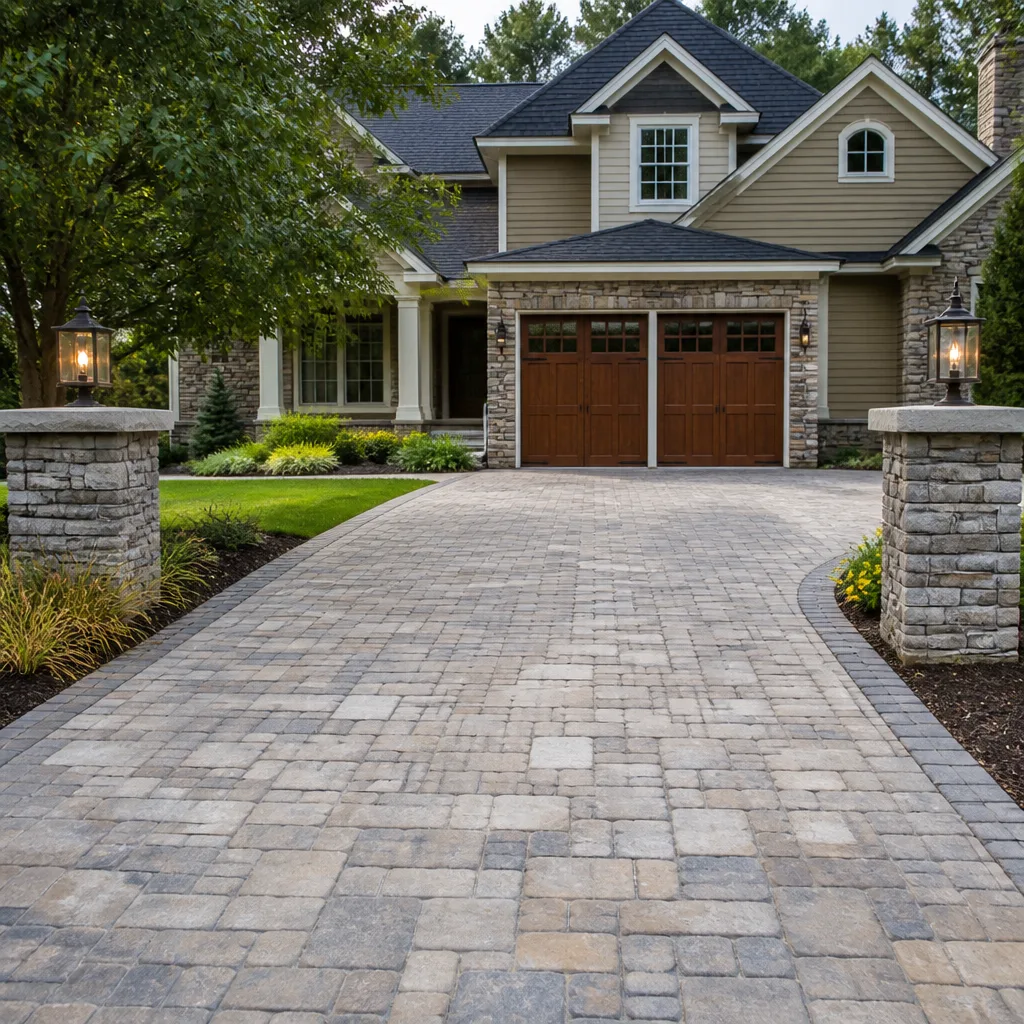
- Concrete pavers vs. poured concrete (specified Belgard or Techo-Bloc pavers, replaced with unstamped concrete)
- Plumbing fixtures (specified Kohler or Toto, replaced with builder-grade alternatives)
Three Verification Steps
- Florida Product Approval lookup: Every impact window, door, and roofing product approved for HVHZ use carries a Florida Product Approval number (format: FLXXXXX). The Florida Building Commission maintains a searchable database. Cross-reference the manufacturer’s name, product series, and approval number against your contract specifications.
- Delivery documentation request: Ask for copies of delivery receipts showing manufacturer, product line, and quantity. Compare against the contract’s material schedule. Under the Haven Standard, our documented photo record on every visit includes material delivery photos as standard - not an upgrade - so the customer has evidence before installation begins.
- Physical inspection: Impact windows carry permanent labels with the Florida Product Approval number, manufacturer, and performance grade. These labels are not decorative; they are required by code and inspected by county officials. If labels are missing or painted over, demand explanation.
We source across fifty-plus vetted brands - KraftMaid and Wellborn cabinets, Cambria and Caesarstone countertops, GAF and Owens Corning roofing, Kohler and Toto fixtures, Belgard and Techo-Bloc pavers - and our written quotes specify the brand, series, and approval number so substitution is detectable.
Subcontractor License Verification
A general contractor’s valid Florida license does not cover unlicensed subcontractors performing electrical, plumbing, HVAC, or roofing work. This is where many Fort Lauderdale homeowners assume protection they do not have.
The DBPR Portal
The Florida Department of Business and Professional Regulation (DBPR) license lookup portal allows anyone to verify a contractor or subcontractor license status. For each named subcontractor in your contract, check:
- License status: Active, inactive, or revoked
- License type: Certified (statewide) or registered (county-limited)
- Insurance and bond compliance: Current or lapsed
- Disciplinary history: Complaints, suspensions, or administrative actions
- Business name match: The name on the license must match the name in your contract
Common Scenarios
We have encountered competitor contracts naming “ABC Electrical” with license number EC13001234. The DBPR portal shows EC13001234 belongs to “ABC Electrical Services LLC,” a different entity. Or the license is active but registered only in Miami-Dade, not Broward County. Or the license holder is an individual who has since left the company, and the person actually performing the work is unlicensed.
In Fort Lauderdale, where flood-zone electrical requirements and wind-load structural connections are strictly enforced, unlicensed electrical or plumbing work can be ordered removed at the homeowner’s expense if discovered during inspection. Verify before the wall closes.
Payment Schedule Red Flags
Florida’s Construction Lien Law does not cap deposits by statute for residential projects under $500,000, but the implied expectation in case law and industry practice is that deposits should not exceed 10% of contract value. Large upfront payments create legal complications if a contractor abandons the project.
The 10% Benchmark
A payment schedule requiring 50% deposit, 30% at rough-in, 20% at completion concentrates risk on the homeowner. If the contractor abandons the job after receiving 50%, the homeowner must fund completion from remaining budget while pursuing legal recovery - a process that averages 14-22 months in Broward County civil court.
A balanced schedule for a $75,000 Fort Lauderdale kitchen remodel might look like:
- 10% at contract execution (permits applied)
- 25% at rough-in inspection passed
- 25% at dry-in / cabinet installation
- 25% at final inspection passed
- 15% at substantial completion (punch list complete, lien waivers delivered)
Escrow and Draw Inspections
For projects exceeding $100,000, consider requiring funds held in escrow with disbursement tied to third-party inspection. The cost ($400-$800 per draw inspection) is minor compared to the protection. Rowan Construction Group has worked with customer-selected escrow arrangements; the Haven Standard does not require a particular payment structure, but it does require that the structure be written, signed, and adhered to.
The “Material Deposit” Excuse
Contractors demanding 30-50% deposits often claim the funds are for “custom-ordered materials.” In Fort Lauderdale, where KraftMaid and Wellborn cabinets ship in 4-6 weeks and GAF roofing materials are available from multiple distributors, large material deposits are rarely necessary for standard residential projects. If a contractor claims otherwise, request the material order confirmation with your property address and delivery date.
Reading a Certificate of Insurance
A Certificate of Insurance (COI) is not proof of coverage; it is proof that coverage existed on the date the certificate was issued. The critical element is the coverage period, not the certificate date.
What to Request
Ask for a COI issued within 14 days of contract signing, with the following verifiable elements:
- General liability: Minimum $1,000,000 per occurrence, $2,000,000 aggregate for residential projects
- Workers’ compensation: Required if the contractor has employees; verify policy number and effective dates
- Named insured: Must exactly match the contracting entity in your agreement
- Additional insured endorsement: Your name and property address listed as additional insured
- Coverage effective and expiration dates: Must span your projected project duration plus 30 days
The Lapse Date Trap
A COI showing coverage effective January 1, 2024, expiring January 1, 2025, for a project starting November 1, 2024, and running 4 months, expires before project completion. This is common with contractors who maintain annual policies but fail to renew, or who purchase short-term certificates for bidding purposes. Request confirmation of renewal 30 days before expiration.
We provide COIs with every written quote, and our coverage is continuous - no lapses, no short-term certificates. Our license number appears on the page; every crew member is verified before they arrive.
Fort Lauderdale-Specific Code and Climate Risks
Fort Lauderdale’s construction environment carries risks that inland Florida does not. Understanding these helps you evaluate whether a contractor’s bid accounts for them or ignores them.
High-Velocity Hurricane Zone Requirements
Broward County lies entirely within the HVHZ. Every window, door, roof covering, and skylight must carry a Florida Product Approval or Miami-Dade Notice of Acceptance (NOA) with wind-pressure ratings for the specific exposure category. A contractor bidding standard windows “upgraded to impact” without specifying the approval number is either uninformed or misleading. Our roofing in Fort Lauderdale quotes specify GAF or Owens Corning products with HVHZ-compliant installation methods, including ring-shank nails at 6-inch centers and secondary water barriers where required.
Flood Zone and Elevation Requirements
Fort Lauderdale properties in AE, VE, or AH flood zones face Base Flood Elevation (BFE) requirements for additions and substantial improvements. A contractor who does not mention FEMA elevation certificates, flood venting requirements, or the 50% rule (substantial improvement cost cannot exceed 50% of structure value without full elevation compliance) is not prepared for Fort Lauderdale work. We have seen competitor room addition bids in Victoria Park and Rio Vista that ignored flood-zone requirements entirely, exposing homeowners to $15,000-$40,000 in corrective costs after permit review.
Coastal Corrosion and Material Selection
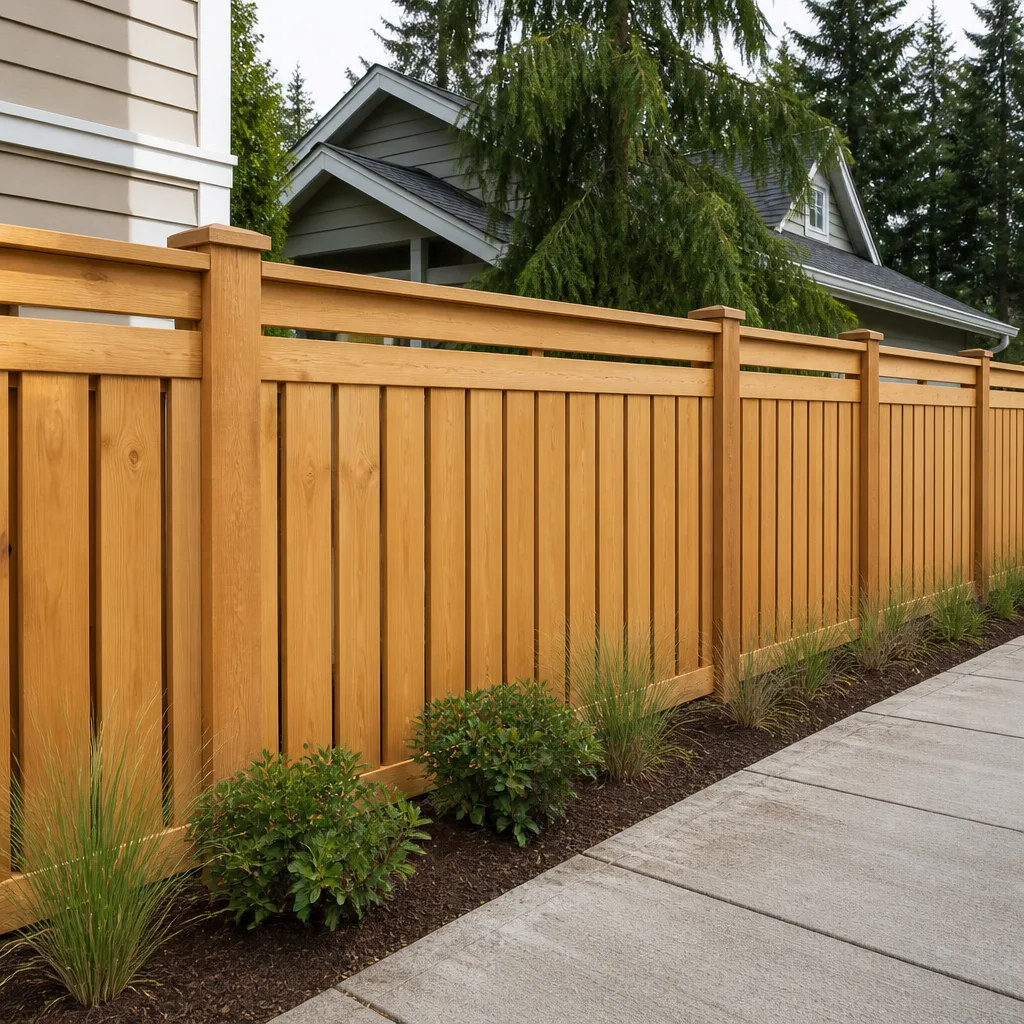
Within 3 miles of the Atlantic, fasteners, flashing, and hardware require enhanced corrosion resistance. Stainless steel or hot-dip galvanized fasteners are specified; electro-galvanized or uncoated fasteners fail prematurely. In our documented photo records, we have found competitor fence installations in Harbor Beach and Las Olas Isles with standard-grade fasteners showing red rust within 18 months of installation. Our fence quotes specify Master Halco or Barrette hardware with coastal-grade coatings for Fort Lauderdale properties.
Soil and Drainage Conditions
Fort Lauderdale’s high water table and sandy soils affect foundation design for additions and ADUs. A contractor bidding a slab-on-grade addition without soil borings or mentioning the water table is guessing. The Haven Standard requires that we disclose when geotechnical investigation is advised, and we include the cost in the written quote - never as a discovered condition.
Common Mistakes to Avoid
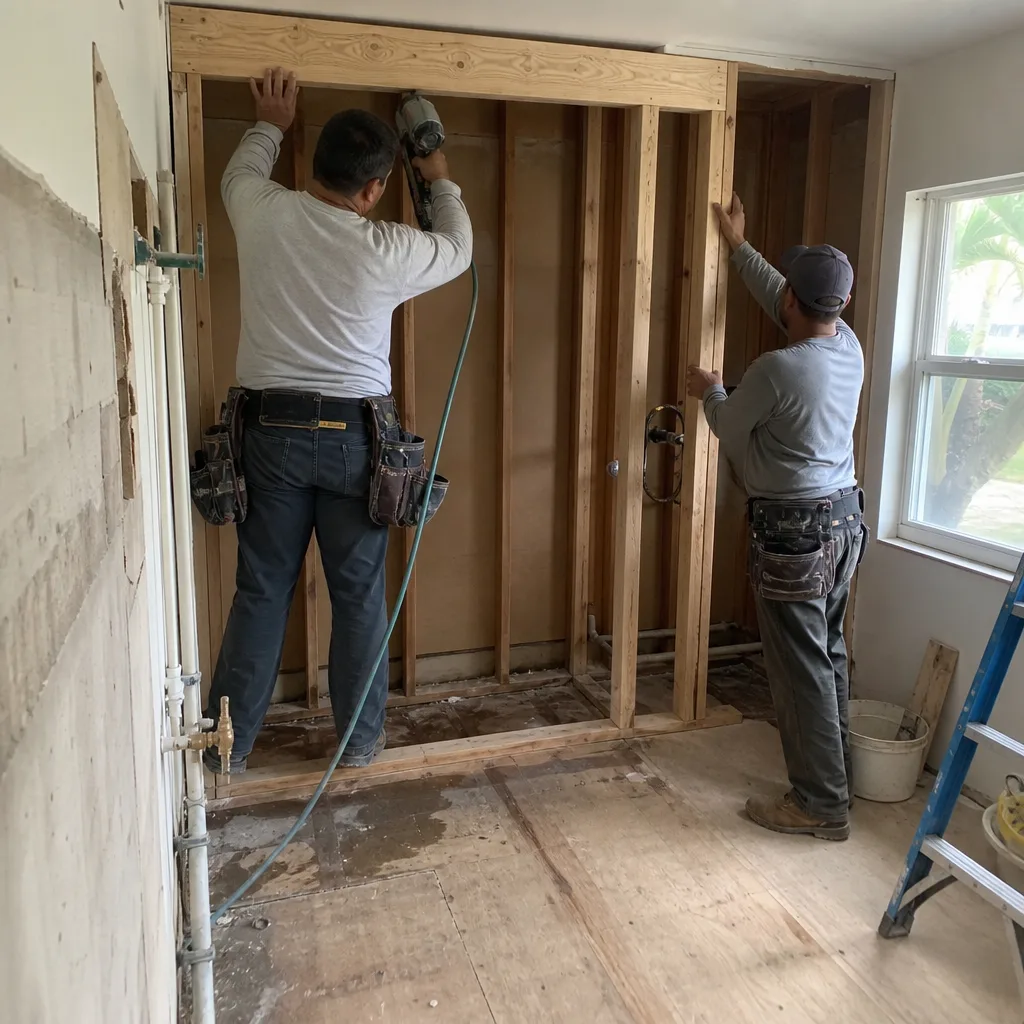
- Verifying only the general contractor’s license. In Fort Lauderdale, electrical, plumbing, HVAC, and roofing subcontractors must carry their own licenses. A valid GC license does not protect you from unlicensed sub work.
- Accepting “permit included” without documentation. The phrase means nothing without an application number you can verify in Broward County’s E-Permitting system.
- Paying deposits by cash or wire transfer. These payment methods are untraceable and unrecoverable. Use checks or credit cards that create a paper trail and potential chargeback protection.
- Skipping the Florida Product Approval lookup for impact products. In the HVHZ, unapproved windows and doors can be ordered removed by the building official even after installation, at your expense.
- Ignoring the certificate of insurance expiration date. Coverage that lapses during construction leaves you exposed to liability if a worker is injured or your property is damaged.
- Signing a contract with no defined substantial completion. Without objective criteria, the contractor can demand final payment while punch list items remain unresolved for months.
- Failing to request lien waivers with each payment. In Florida’s construction lien environment, this omission can result in a subcontractor lien even after you’ve paid in full.
When to Call a Professional
Call a licensed contractor when your project requires permitting, involves structural modification, or includes trades requiring subcontractor licenses. In Fort Lauderdale, this threshold is lower than many homeowners assume: even window replacement in the HVHZ requires product approval verification and often permitting. Bathroom remodeling in Fort Lauderdale that relocates plumbing or electrical requires permits and licensed subcontractors.
Rowan Construction Group Fort Lauderdale offers free estimates in Fort Lauderdale - call (754) 254-7676. We deliver a written price before any work starts, every time, on every trade. Bring a competitor’s quote and we will review it line by line at no charge. Our 365-Day Done Right Promise, backed by The Haven Standard, means if it is not done right, we make it right - the guarantee is printed on every page and backed by a terms page, not an asterisk.
Frequently Asked Questions
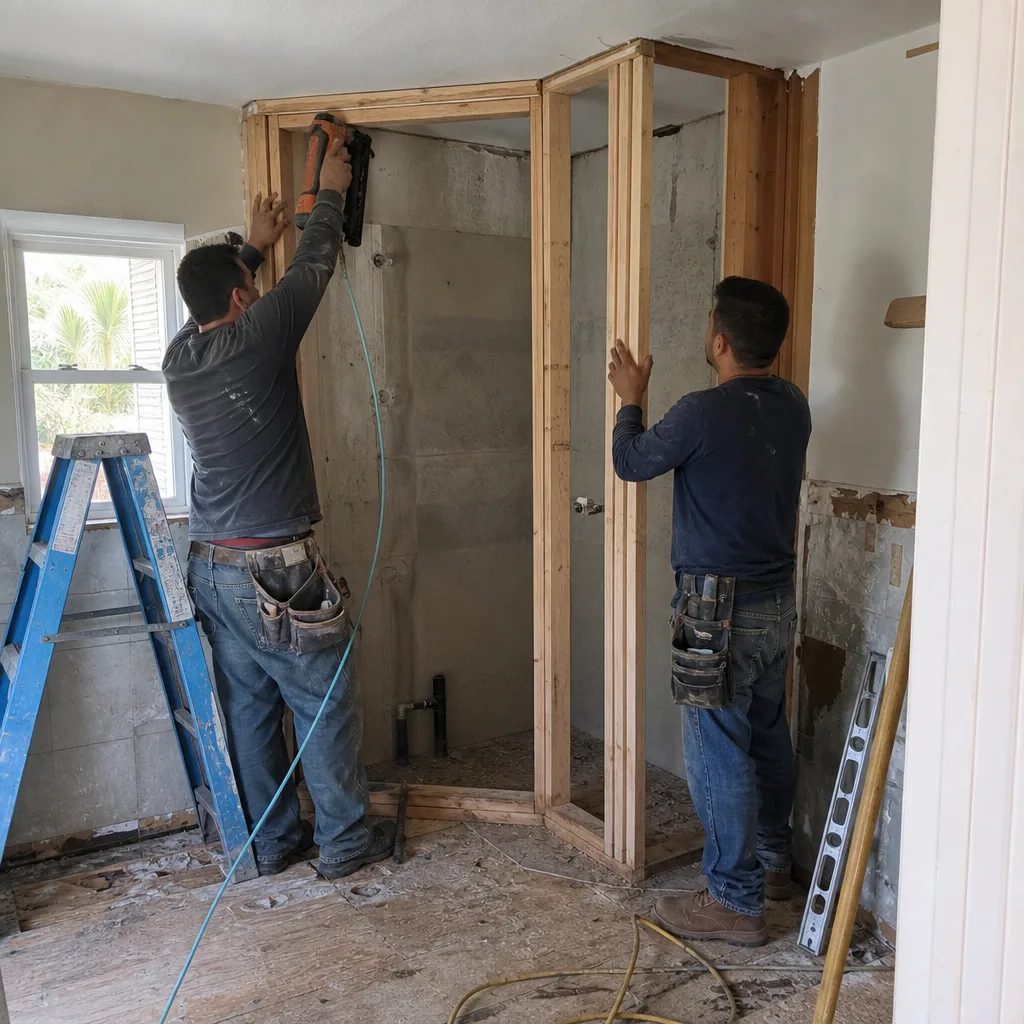
The upfront bid from an unlicensed contractor typically runs 20-40% lower, but the total cost including corrective work, permit penalties, and legal fees averages 50-150% higher - see our DIY vs Professional Construction: The Fort Lauderdale Homeowner’s Decision Guide for a fuller cost breakdown. In Broward County, unlicensed contracting is a first-degree misdemeanor with escalating penalties; homeowners who knowingly hire unlicensed contractors may void their insurance coverage. Call (754) 254-7676 for a written quote from a state-licensed contractor - estimates are free.
For most Broward County residential projects, you should receive a permit application receipt within two weeks of contract execution. If a contractor claims permits are “in process” beyond 30 days without producing documentation, this is a warning sign requiring immediate verification through the county E-Permitting system.
Under the Haven Standard, no work proceeds on a change until the change order is signed. The original written price remains fixed unless you approve a documented change in scope. This discipline has kept Rowan Construction Group’s projects within a few percent of the agreed cost across 4,000-plus jobs since 2007. Call (754) 254-7676 for a fixed-price estimate.
Rowan Construction Group pulls all required permits as part of our standard process. The permit fees appear as a line item in your written quote, and we provide the application receipt within two weeks of contract execution. You verify status through Broward County’s public portal using your property address.
Every impact window carries a permanent label with the Florida Product Approval number (format: FLXXXXX). Cross-reference this number against the Florida Building Commission database using the manufacturer name and product series from your contract. If labels are missing, painted over, or don’t match your specifications, demand documentation before final payment. Call (754) 254-7676 if you need help verifying - estimates are free.
A balanced schedule ties payments to inspection milestones, not calendar dates: typically 10% at contract, 25% at rough-in inspection passed, 25% at dry-in, 25% at final inspection, and 15% at substantial completion with lien waivers delivered. Deposits exceeding 10% concentrate risk on the homeowner and complicate recovery if the contractor abandons the project.
The Bottom Line
The costliest contractor failures in Fort Lauderdale leave no trace on review sites. They hide in contracts without change-order clauses, permits that never materialize, insurance that expires mid-project, and impact windows that fail the inspector’s label check. Read the documents first. Verify the license numbers, the permit application, the product approvals, and the certificate dates before you evaluate personality or price. The contractors who survive scrutiny are the ones who built their process to withstand it. Rowan Construction Group has operated under that discipline since 2007, with 4,000-plus projects, every one with a written price before work started and a documented record when the crew left.
Written by Grant Rowan, Owner at Rowan Construction Group Fort Lauderdale, serving Fort Lauderdale since 2007.